
Grind Your Own Coffee Powder At Home
Quick answer
- Freshly ground coffee is king. It’s not rocket science.
- Get a decent burr grinder. Blade grinders are for amateurs.
- Match your grind size to your brew method. This is non-negotiable.
- Use good beans. Stale beans make stale powder, no matter what.
- Measure your coffee and water. Consistency is key.
- Keep your gear clean. Nobody likes funky tasting coffee.
- Dial in your brew. Taste it, tweak it. Repeat.
Who this is for
- Anyone tired of pre-ground coffee tasting like sadness.
- Home brewers who want to level up their daily cup.
- Folks who appreciate the simple pleasures of a good brew.
What to check first
Brewer type and filter type
What are you using to brew? Drip machine? Pour-over? French press? Each needs a different grind. Paper filters, metal filters, or no filter at all – it all matters. Check your brewer’s manual if you’re not sure.
Water quality and temperature
Your coffee is mostly water. Use filtered water, not tap water if it tastes funky. For most brewing, water just off the boil, around 195-205°F, is the sweet spot. Too hot or too cold messes with extraction.
Grind size and coffee freshness
This is where the magic happens. Coffee loses its aroma and flavor fast after grinding. Buy whole beans and grind them right before you brew. The grind size needs to match your brewer. Think coarse for French press, medium for drip, fine for espresso.
Coffee-to-water ratio
This is your recipe. A good starting point is 1:15 to 1:18 (coffee to water by weight). So, for 30 grams of coffee, use 450-540 grams of water. Use a scale. Trust me on this.
Cleanliness/descale status
Gunk builds up. Old coffee oils turn rancid. Regularly clean your grinder and brewer. Descale your coffee maker if you have hard water. A clean machine makes clean coffee.
Step-by-step (brew workflow)
1. Gather your gear. Get your brewer, filter, fresh whole beans, grinder, scale, and kettle ready.
- What “good” looks like: Everything is within reach and clean. You’re not scrambling mid-brew.
- Common mistake: Forgetting a key piece of equipment. Double-check before you start.
2. Heat your water. Bring filtered water to temperature, ideally 195-205°F.
- What “good” looks like: Water is at the right temp, not boiling furiously.
- Common mistake: Using boiling water. It scorches the grounds. Let it sit for 30 seconds after it boils.
3. Weigh your beans. Use your scale to measure the desired amount of whole beans.
- What “good” looks like: Accurate weight measurement. No guesswork.
- Common mistake: Eyeballing the amount. This leads to inconsistent coffee.
4. Grind your beans. Grind the beans to the size appropriate for your brewer.
- What “good” looks like: Uniform particles, no fines or boulders.
- Common mistake: Using a blade grinder. It chops unevenly, creating bitter and weak coffee. Invest in a burr grinder.
Using a blade grinder is a common mistake that leads to inconsistent grounds. For a uniform grind that ensures better extraction, invest in a quality burr grinder like this one.
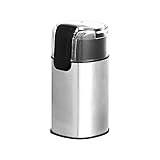
- Electric coffee bean grinder appliance for home use
- Can grind 30 grams/1 ounce of beans for drip coffee brewing in 10 seconds
- Grind coffee beans, herbs, spices, grains, nuts, and more
- Clear safety lid allows you to easily see the results in progress
- Heavy-duty stainless steel grind blade
5. Prepare your brewer. Place the filter in the brewer and rinse it with hot water. Discard the rinse water.
- What “good” looks like: Filter is seated correctly and rinsed, removing paper taste.
- Common mistake: Not rinsing the paper filter. This can leave a papery taste in your coffee.
6. Add grounds to brewer. Transfer the freshly ground coffee into the prepared filter.
- What “good” looks like: Grounds are evenly distributed in the filter.
- Common mistake: Leaving grounds stuck to the side of the filter. They won’t get brewed properly.
7. Bloom the coffee (for pour-over/drip). Pour just enough hot water to saturate the grounds. Let it sit for 30 seconds.
- What “good” looks like: The grounds puff up and release CO2. This is the bloom.
- Common mistake: Skipping the bloom. This can lead to uneven extraction and a sour cup.
8. Begin brewing. Slowly pour the remaining hot water over the grounds in a controlled manner.
- What “good” looks like: Steady stream of water, even saturation.
- Common mistake: Pouring too fast or all at once. This can cause channeling, where water bypasses grounds.
9. Let it finish. Allow all the water to drip through.
- What “good” looks like: The brewing process is complete, and the coffee is ready.
- Common mistake: Stopping the brew too early. You won’t get all the good stuff out of the grounds.
10. Serve and enjoy. Pour your freshly brewed coffee into your favorite mug.
- What “good” looks like: Aromatic, flavorful coffee.
- Common mistake: Letting it sit on a hot plate for too long. It gets bitter and burnt.
Common mistakes (and what happens if you ignore them)
| Mistake | What it causes | Fix |
|---|---|---|
| Using pre-ground coffee | Stale, flat flavor; loss of aromatics | Buy whole beans and grind just before brewing. |
| Using a blade grinder | Inconsistent particle size (fines and boulders) | Invest in a burr grinder for uniform grounds. |
| Incorrect grind size for brewer | Under-extraction (sour) or over-extraction (bitter) | Match grind size to brewer type (coarse for French press, etc.). |
| Stale coffee beans | Dull, muted flavor; lack of aroma | Buy fresh beans and store them properly. |
| Using tap water with off-flavors | Unpleasant taste in the final cup | Use filtered water. |
| Water temperature too high/low | Scorching (bitter) or under-extraction (sour) | Aim for 195-205°F. |
| Inconsistent coffee-to-water ratio | Weak or overly strong coffee | Use a scale to measure coffee and water by weight. |
| Dirty grinder or brewer | Rancid oils; off-flavors; bitterness | Clean your equipment regularly. |
| Skipping the bloom (pour-over/drip) | Uneven extraction; gassy coffee | Let grounds degas for 30 seconds after initial wetting. |
| Brewing too long or too short | Bitter (too long) or sour (too short) coffee | Time your brew and adjust grind size accordingly. |
Decision rules (simple if/then)
- If your coffee tastes sour, then your grind is likely too coarse or your water is too cool because you’re under-extracting.
- If your coffee tastes bitter, then your grind is likely too fine or your water is too hot because you’re over-extracting.
- If you’re using a French press, then use a coarse grind because fine grounds will pass through the metal filter.
- If you’re using an espresso machine, then use a very fine grind because it needs resistance for proper extraction.
- If your coffee tastes weak, then increase your coffee dose or decrease your water amount because your ratio is off.
- If your coffee tastes too strong, then decrease your coffee dose or increase your water amount because your ratio is off.
- If your beans are more than a few weeks old, then grind them coarser because they’ve likely lost some of their volatile compounds.
- If your water has a chlorine smell, then use filtered water because it will impart a cleaner flavor.
- If your brewed coffee has sediment, then your filter might be damaged or your grind is too fine for the filter type.
- If you notice uneven browning on your grounds after brewing, then your pour might be uneven or your grinder is inconsistent.
- If your brewed coffee has a papery taste, then you likely didn’t rinse your paper filter enough.
- If your coffee tastes dull, then your beans might be stale, or your grind is too coarse for the brew time.
FAQ
What’s the best grinder for making coffee powder at home?
A burr grinder is superior to a blade grinder. It grinds beans uniformly, leading to better extraction and a tastier cup. Conical or flat burr grinders are common types.
How fine should my coffee grounds be?
This depends entirely on your brewing method. French press needs coarse grounds, drip machines use medium, and espresso requires a very fine grind. Check your brewer’s recommendations.
How long do freshly ground coffee beans stay good?
For optimal flavor, grind your beans right before brewing. Coffee starts losing its aroma and flavor compounds rapidly after grinding, within minutes.
What’s the ideal water temperature for brewing coffee?
Most brewing methods work best with water between 195°F and 205°F. Water that’s too hot can scorch the grounds, making coffee bitter. Too cool, and you’ll get a weak, sour cup.
Is filtered water really that important for coffee?
Yes, absolutely. Your coffee is about 98% water, so if your water tastes bad, your coffee will too. Filtered water removes impurities that can affect taste.
How do I know if my coffee is properly extracted?
Proper extraction means a balanced flavor – not too sour, not too bitter. If it’s sour, you might be under-extracting (try a finer grind). If it’s bitter, you might be over-extracting (try a coarser grind).
How often should I clean my coffee grinder?
Regular cleaning is crucial. Depending on usage, clean it every few weeks or months to remove coffee oils and residue. Many grinders have parts that can be disassembled for cleaning.
Can I reuse coffee grounds?
No, you cannot reuse coffee grounds for brewing. The first brew extracts most of the desirable flavors and compounds. Reusing them results in a weak, watery, and unpleasant cup.
What this page does NOT cover (and where to go next)
- Specific recommendations for espresso machines and their unique grind requirements.
- Advanced techniques like blooming ratios or specific pour-over patterns.
- Detailed guides on coffee bean sourcing and roast profiles.
- How to clean and maintain specific types of coffee grinders.
- Troubleshooting complex flavor issues beyond basic extraction principles.