
Give Your Garden a Boost: Using Coffee Grounds as Fertilizer
Quick answer
- Coffee grounds are a fantastic free fertilizer for your garden.
- They add nitrogen, improve soil structure, and attract beneficial worms.
- Always compost them first for best results.
- Avoid direct application of large amounts to sensitive plants.
- Test your soil if you’re unsure.
- It’s a simple way to reduce waste and help your plants thrive.
Who this is for
- Home gardeners looking for free, natural ways to fertilize their plants.
- Eco-conscious individuals wanting to reduce kitchen waste.
- Anyone with a coffee maker who has leftover grounds.
What to check first
Brewer type and filter type
What kind of coffee maker do you use? Drip, French press, espresso machine? This matters. Paper filters are compostable but add less to your soil than the grounds themselves. Metal or cloth filters mean you’re just dealing with grounds.
Water quality and temperature
The water you brewed with is mostly gone, but if you’re using unbrewed grounds (which we generally advise against), the water quality could matter. For brewed grounds, focus on your garden soil’s existing quality. Is it clay, sandy, or loamy?
Grind size and coffee freshness
Freshness isn’t a huge factor for fertilizer, but the grind size is. Finer grinds break down faster. Espresso grounds are super fine. French press grounds are coarser. This affects how quickly they release nutrients and how they impact soil aeration.
Coffee-to-water ratio
This really only applies if you’re thinking about making a liquid fertilizer, which is a whole other ballgame. For using grounds directly or composted, the ratio you used to brew your coffee is irrelevant to their fertilizing power.
Cleanliness/descale status
Make sure your coffee maker is clean. Old oils and residue aren’t great for your plants. Regularly descale your machine according to the manufacturer’s instructions. Clean equipment makes better coffee and better fertilizer.
Step-by-step (brew workflow)
This isn’t a brewing workflow for coffee, but for preparing grounds as fertilizer.
1. Collect your used coffee grounds.
- What to do: Save the grounds from your daily brew. Let them cool completely.
- What “good” looks like: A pile of damp, dark grounds in a container.
- A common mistake and how to avoid it: Leaving them wet in a sealed container. This leads to mold. Spread them out to dry slightly or use them fresh.
2. Consider composting them.
- What to do: Add them to your compost bin. They’re a great “green” material.
- What “good” looks like: Grounds mixed evenly with other compost materials like leaves and food scraps.
- A common mistake and how to avoid it: Adding only coffee grounds to your compost. This can make it too wet and anaerobic. Balance with “brown” materials.
3. If not composting, dry them out.
- What to do: Spread the cooled grounds thinly on a baking sheet or tray. Let them air dry for a day or two.
- What “good” looks like: Dry, crumbly grounds that are easy to handle.
- A common mistake and how to avoid it: Not drying them enough. Wet grounds can clump and potentially develop mold when stored.
4. Mix with other soil amendments (optional but recommended).
- What to do: Combine dried grounds with things like compost, aged manure, or worm castings.
- What “good” looks like: A well-mixed blend of different soil-enriching materials.
- A common mistake and how to avoid it: Skipping this step and using pure grounds. This can lead to soil compaction or nutrient imbalances.
To further enhance your soil, consider mixing your dried coffee grounds with other beneficial soil amendments like compost or aged manure. Products like these can provide a balanced nutrient profile for your plants.
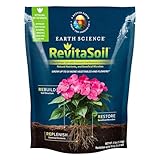
- Premium Soil Revitalizer: Rebuilds depleted soils with premium earthworm castings (worm castings), natural nutrients, and soil-friendly biology
- Boosts Plant Growth: Proven to grow up to 3X more vegetables and flowers with an exclusive patent-pending formula
- Restores Soil Health: One application helps repair structural damage and re-energizes your soil to give you bigger harvests, more flowers, and thriving plants
- Coverage & Convenience: Each 4lb bag revitalizes up to 16 sq ft of soil in gardens, landscapes, and pots and up to 8 sq ft of soil in raised beds. Revitalize your existing soil instead of purchasing large, heavy bags of new potting and garden soils
- Natural & Eco-Friendly: Sustainably made and packed full of natural nutrition without any harmful chemicals or pesticides. RevitaSoil is an all-natural solution for gardeners looking to improve soil health, boost growth, and protect the environment.
5. Apply to the soil around plants.
- What to do: Sprinkle a thin layer (about 1/2 inch) around the base of your plants, keeping them a few inches away from the stem.
- What “good” looks like: A light, even coating of grounds on the soil surface.
- A common mistake and how to avoid it: Piling them up thickly. This can suffocate roots and create a barrier to water and air.
6. Gently work into the top layer of soil.
- What to do: Use a hand trowel or cultivator to lightly mix the grounds into the top 1-2 inches of soil.
- What “good” looks like: The grounds are integrated into the soil, not just sitting on top.
- A common mistake and how to avoid it: Digging too deeply or aggressively, which can damage plant roots.
7. Water the area.
- What to do: Water the soil after applying and mixing the grounds.
- What “good” looks like: The soil is moist, and the grounds are starting to break down.
- A common mistake and how to avoid it: Overwatering. Too much water can wash away nutrients or create anaerobic conditions.
8. Observe your plants.
- What to do: Keep an eye on how your plants respond over the next few weeks.
- What “good” looks like: Greener leaves, more vigorous growth, and healthier-looking plants.
- A common mistake and how to avoid it: Expecting instant miracles. Natural fertilizers work over time.
Common mistakes (and what happens if you ignore them)
| Mistake | What it causes | Fix |
|---|---|---|
| Applying fresh grounds directly in large amounts | Soil compaction, poor drainage, potential for root rot, nitrogen tie-up | Compost grounds first, or dry and mix with other amendments. Apply sparingly. |
| Piling grounds thickly around plants | Smothers roots, blocks water and air penetration, encourages mold growth | Apply a thin layer (1/2 inch max) and keep a few inches away from the plant stem. |
| Not drying grounds sufficiently | Mold growth, clumping, potential for anaerobic decomposition in storage | Spread grounds thinly to air dry for a day or two before storing or using. |
| Using grounds from flavored coffee | Can introduce artificial flavors or oils that aren’t beneficial to soil | Stick to plain, unflavored coffee grounds for fertilizing purposes. |
| Applying to acid-loving plants without checking pH | Coffee grounds are slightly acidic; can lower pH too much for some plants | Test your soil pH. If it’s already low, use grounds very sparingly or compost them first. |
| Adding only coffee grounds to compost | Creates a wet, dense, anaerobic compost pile that smells bad | Balance grounds with carbon-rich “brown” materials like dry leaves, shredded paper, or cardboard. |
| Using grounds from unbrewed coffee | Can contain high levels of caffeine and oils that might inhibit plant growth | Always use grounds from brewed coffee. Unbrewed grounds are generally not recommended for soil. |
| Over-applying grounds to seedlings | Seedlings are delicate and can be easily overwhelmed by direct application | Wait until seedlings are established, or use composted grounds very lightly. |
| Ignoring soil type | Grounds behave differently in clay vs. sandy soil; can exacerbate issues | Understand your soil type and adjust application rates accordingly. |
Decision rules (simple if/then)
- If your soil is heavy clay, then use coffee grounds sparingly because they can increase compaction if not well-composted.
- If you have acid-loving plants like blueberries or azaleas, then check your soil pH before adding grounds because they can lower pH.
- If you want to improve soil structure, then add composted coffee grounds because they add organic matter and aeration.
- If you notice mold on your stored grounds, then dry them out thoroughly or compost them immediately because mold isn’t good for plants.
- If you have a French press, then your coarser grounds will break down more slowly, which is fine for gradual soil improvement.
- If you’re starting a new garden bed, then mixing composted grounds into the soil before planting is ideal because it integrates them well.
- If your plants look a bit yellow, then a light application of coffee grounds (especially composted) can help boost nitrogen levels.
- If you’re concerned about pests, then the grounds can act as a mild deterrent for some slugs and snails because they dislike the texture.
- If you’re using grounds around vegetables, then ensure they are well-composted to avoid any potential issues with direct contact.
- If you have a worm farm, then add coffee grounds in moderation because worms love them, but too many can make the bedding too wet.
- If you’re unsure about your soil’s nutrient needs, then get a soil test first because grounds provide nitrogen and other trace elements.
FAQ
Are coffee grounds good for all plants?
Generally, yes, most plants benefit from the nitrogen and organic matter coffee grounds provide. However, plants that prefer alkaline soil might not do as well with excessive amounts, so it’s good to know your plant’s preferences.
How much should I use?
A thin layer, about half an inch, worked into the top soil is usually sufficient. It’s better to start with less and add more later if needed, rather than overdoing it.
Can I just pour coffee grounds directly onto my plants?
It’s best to avoid applying large amounts of fresh, wet grounds directly. They can clump, block air and water, and potentially harm delicate roots. Composting or drying and mixing them is a much safer bet.
Do coffee grounds attract bugs?
They can attract beneficial earthworms, which is great for soil health. They might also deter some pests like slugs and snails due to their texture. They don’t typically attract harmful garden pests.
Will coffee grounds make my soil too acidic?
Coffee grounds are slightly acidic, but once brewed and composted, their acidity is significantly reduced. For most garden soils, the effect is minimal and beneficial. If your soil is already very acidic, use them more cautiously.
How often can I use coffee grounds?
You can use them every few weeks during the growing season, especially if you’re composting them. Regular, moderate application is better than infrequent, heavy doses.
What about espresso grounds?
Espresso grounds are very fine and break down quickly. They work well but should be applied in very thin layers to avoid compaction. They are excellent additions to compost.
Can I make a liquid fertilizer from coffee grounds?
Yes, you can steep grounds in water for a few days to create a liquid fertilizer, but this is a different process than using them as a soil amendment and requires careful handling to avoid mold.
What this page does NOT cover (and where to go next)
- Detailed analysis of specific nutrient content in coffee grounds (check agricultural extension resources).
- Recipes for “coffee tea” or liquid fertilizers (search for “coffee grounds liquid fertilizer”).
- Using unbrewed coffee beans or chaff as fertilizer (focus on brewed grounds for simplicity).
- Advanced soil amendment techniques for specific crop needs (consult gardening experts or books).
- The impact of coffee grounds on indoor houseplants (generally safe, but requires different application methods).