
Feeling Sleepy After Coffee? Exploring the Paradoxical Effect
Quick answer
- Sometimes, coffee can make you feel tired, not wired.
- This usually happens due to a caffeine crash after the initial buzz.
- Dehydration can also play a big role.
- Your body’s adenosine receptors are key to this effect.
- Timing your coffee intake is crucial.
- Consider your overall sleep quality, too.
Key terms and definitions
- Caffeine: A natural stimulant found in coffee beans. It blocks adenosine, a neurotransmitter that makes you feel tired.
- Adenosine: A chemical in your brain that builds up throughout the day, signaling sleepiness. Caffeine temporarily blocks its effects.
- Caffeine Crash: The sudden dip in energy you feel when the effects of caffeine wear off.
- Tolerance: When your body becomes used to caffeine, requiring more to achieve the same effect.
- Dehydration: Losing more body fluid than you take in. Even mild dehydration can cause fatigue.
- Sleep Cycle: The natural pattern of sleep and wakefulness your body follows.
- Circadian Rhythm: Your body’s internal 24-hour clock that regulates sleep-wake cycles.
- Cortisol: A stress hormone that caffeine can temporarily boost. Its levels naturally dip in the afternoon.
- Placebo Effect: When you expect a certain outcome (like feeling awake from coffee) and experience it, even if the substance itself isn’t the primary cause.
- Withdrawal: Symptoms like headaches or fatigue that can occur when you stop consuming caffeine.
How it works
- Caffeine hits your bloodstream fast, usually within 15-45 minutes.
- It travels to your brain and latches onto adenosine receptors.
- By blocking adenosine, caffeine prevents that tired signal from reaching your brain.
- This makes you feel more alert and focused, at least for a while.
- As caffeine wears off, the accumulated adenosine rushes back.
- This can lead to a sudden wave of tiredness – the infamous crash.
- Your body also releases adrenaline when you drink coffee, giving you a temporary energy boost.
- When that adrenaline fades, you can feel even more fatigued than before.
- Some people are genetically less efficient at metabolizing caffeine.
- This means it stays in their system longer, potentially leading to more pronounced effects, good or bad.
To understand how caffeine works, consider exploring adenosine blockers, which are key to caffeine’s stimulating effects.

- TalkTools Jaw Grading Bite Blocks are essential in OPT, supporting various clinical needs, from symmetrical jaw strength to stability and grading. They also help assess and treat conditions like articulation, apraxia, dysarthria, and OMDs
- Comprehensive Therapy Aid: Specially made for weak jaw muscles, these blocks are crucial for speech and feeding evaluations. They help with muscle memory and are essential for therapists treating different disorders
- Efficient Kit: Includes two sets of six Bite Blocks and an instruction booklet. Emphasizes reusability, durability, and easy cleaning for continuous therapist support
- Safe Clinical Environment: These biting blocks maintain patient comfort and prevent unnecessary fatigue during dental procedures. Their design keeps jaws apart for efficient clinical outcomes
- Orthodontic Support: Use biting blocks to prevent upper and lower teeth contact during orthodontic treatment, reducing the risk of bracket breakage and improving bite
What affects the result
- Your Caffeine Tolerance: Regular drinkers build up a tolerance. That morning cup might not do much, or it could even lead to jitters followed by a crash.
- Amount Consumed: Downing a triple espresso might give you a huge initial jolt but set you up for a bigger fall later.
- Timing: Drinking coffee too late can mess with your sleep, leading to daytime fatigue. Also, your cortisol levels are naturally high in the morning; adding caffeine might be overkill.
- Hydration Levels: Coffee is a diuretic. If you’re not drinking enough water, you can become dehydrated, which directly causes tiredness.
- Your Sleep Quality: If you’re already sleep-deprived, caffeine might just mask the exhaustion temporarily. The underlying fatigue will resurface.
- Genetics: How quickly your body breaks down caffeine varies. Some folks are fast metabolizers, others are slow.
- Food Intake: Drinking coffee on an empty stomach can speed up absorption, potentially leading to a quicker, more intense effect and subsequent crash.
- Other Stimulants or Depressants: Mixing coffee with other substances can have unpredictable results.
- Your Body’s Natural Rhythms: Caffeine can interfere with your natural circadian rhythm, especially if consumed at odd hours.
- The “Crash” Factor: For some, the rebound effect from blocked adenosine is more significant than the initial alertness.
- Additives: Sugar and cream can cause a sugar rush and subsequent crash, compounding the caffeine effect.
- Freshness of the Coffee: While not directly causing sleepiness, stale coffee might just not provide the desired “kick,” leaving you feeling like it didn’t work.
If dehydration is a concern, incorporating hydration supplements into your routine can help counteract coffee’s diuretic effects and reduce fatigue.

- FAST HYDRATION: Science-based electrolyte powder formula hydrates faster than water alone; useful to rehydrate on-the-go for athletes, sports, outdoor activities, travel, and hot days.
- ELECTROLYTE FORMULA: Delivers 3x electrolytes and half the sugar than leading sports drinks in a portable, easy-mix great tasting hydration powder.
- INGREDIENT-CONSCIOUS: Non-GMO, Gluten Free, Vegan, Soy-Free, Dairy-Free, and Kosher; includes potassium, magnesium, zinc, and vitamin C for added immune support, with natural colors from fruit and vegetable juices.
- SINGLE-SERVE CONVENIENCE: Includes 16 portable electrolyte packets that are easy to carry in a gym bag, backpack, purse, desk or pantry; a simple way to keep hydration packets on hand for daily use, workouts, commuting, and travel days.
- DELICIOUS FLAVOR: Men's Journal Fitness Award for the Best-Tasting Hydration Drink. Enjoy Watermelon, Berry, Lemon, and Orange flavors in one pouch. Mix 1 packet into 8 oz of water for on-the-go hydration.
Pros, cons, and when it matters
- Pro: Alertness Boost: Coffee can significantly improve focus and reaction time, great for early mornings or late-night tasks.
- Con: The Crash: That sudden drop in energy can be jarring and unproductive.
- Pro: Improved Mood: For many, coffee provides a comforting ritual and a pleasant mood lift.
- Con: Jitters and Anxiety: Too much caffeine can lead to nervousness, restlessness, and even panic.
- Pro: Enhanced Physical Performance: Caffeine can improve endurance and power output during workouts.
- Con: Sleep Disruption: Drinking coffee too late in the day can make it hard to fall asleep, leading to a vicious cycle of fatigue.
- Pro: Social Connection: Grabbing coffee with friends is a common and enjoyable social activity.
- Con: Dehydration Risk: If not balanced with water, coffee can contribute to feeling sluggish due to fluid loss.
- Pro: Potential Health Benefits: Some studies link moderate coffee consumption to reduced risk of certain diseases.
- Con: Digestive Issues: For some, coffee can cause heartburn or stomach upset.
- Pro: Habitual Comfort: The routine of making and drinking coffee can be very grounding.
- Con: Dependency and Withdrawal: Relying too heavily on caffeine can lead to headaches and fatigue when you skip it.
- When it Matters: Crucial for drivers needing to stay alert, students during exams, or anyone facing a demanding workday.
- When it Matters Less: Might not be necessary if you’re already well-rested and have a natural energy level.
Common misconceptions
- Myth: Coffee always makes you more alert. Nope. As we’ve seen, it can do the opposite sometimes.
- Myth: Caffeine is addictive like hard drugs. While you can get dependent, caffeine addiction is generally considered mild compared to more serious substance dependencies.
- Myth: You need coffee to function. Many people function perfectly well without it. It’s a tool, not a requirement.
- Myth: Decaf has zero caffeine. Decaf coffee still contains a small amount of caffeine, though significantly less.
- Myth: Coffee stunts your growth. This is an old wives’ tale with no scientific basis.
- Myth: Black coffee is always the healthiest. While it avoids added sugars and fats, it’s the caffeine itself that can cause issues for some.
- Myth: The more coffee, the more awake you’ll be. There’s a point of diminishing returns, and too much leads to negative effects.
- Myth: Coffee dehydrates you completely. While it’s a mild diuretic, the water in coffee usually offsets this effect for moderate consumption.
- Myth: Coffee burns a lot of calories. The metabolic boost is very small, not a significant weight-loss tool.
- Myth: Your body can’t adapt to caffeine. Tolerance is real. Your body does adjust over time.
FAQ
- Why do I feel tired right after drinking coffee?
This is likely due to the adenosine rebound effect. Caffeine blocks sleepiness signals, and when it wears off, those signals rush back, making you feel suddenly tired. It can also be a caffeine crash.
- Can I build up a tolerance to coffee?
Yes, absolutely. If you drink coffee regularly, your body adapts, and you might need more to feel the same effects, or you might experience less of a “boost” overall.
- Does the type of coffee matter?
The bean type and roast can affect caffeine content, but the main driver of sleepiness is still the caffeine itself and how your body processes it. Darker roasts often have slightly less caffeine by volume than lighter roasts.
- What’s the best time to drink coffee to avoid feeling sleepy later?
Avoid coffee in the late afternoon or evening. For many, mid-morning, after your natural cortisol levels start to dip, is a good sweet spot.
- How much water should I drink if I’m drinking coffee?
It’s wise to drink an equal or greater amount of water throughout the day. Staying hydrated helps combat potential dehydration from coffee’s diuretic effect.
- Is there a way to avoid the caffeine crash?
Try drinking smaller amounts, spacing out your intake, staying hydrated, and ensuring you’ve had enough sleep. Some people find eating a small snack with their coffee helps slow absorption.
For a more controlled caffeine intake without the crash, some people opt for caffeine supplements, which can offer a steady energy boost.
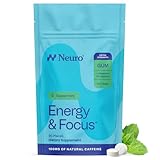
- Fast-Acting Nootropic - Our energy supplements deliver an extra boost of energy and clarity with a blend of natural caffeine, L-theanine, and vitamin b6 & b12. Your go-to chewing gum for work, exercise, and daily focus!
- Clean Energy - Each piece of our sugar free gum delivers 100mg of natural caffeine from green coffee beans for a smooth energy boost without crashes or jitters.
- The Perfect Balance - With 60mg of L-theanine per piece, our energy and focus formula promotes enhanced focus and stress reduction to smooth energy boosts.
- How to Use - Chew one piece of the caffeine gum whenever focus or energy is lacking. Ideal for mornings, pre-workout, or afternoon slumps. Effects typically kick in within minutes thanks to optimal absorption through the mouth.
- Made by Neuro, Backed by Science - At Neuro, we combine neuroscience with clean, science backed ingredients to help you do more, think better, and feel your best every single day.
- Can coffee make me feel sleepy because it messes with my sleep schedule?
Yes. If you drink coffee too late, it can disrupt your natural sleep patterns, leading to poor sleep quality and daytime fatigue, which then makes you reach for more coffee.
- What if I’m just not a “coffee person”?
That’s totally fine. Some people are more sensitive to caffeine, or their bodies metabolize it differently. There are plenty of other ways to boost energy, like a brisk walk or a healthy snack.
What this page does NOT cover (and where to go next)
- Specific caffeine content in different coffee drinks (like lattes vs. drip).
- Detailed information on caffeine metabolism genetics.
- Medical advice for chronic fatigue or sleep disorders.
- Recipes for coffee drinks that might mitigate side effects.
- Brand-specific comparisons of coffee makers.