
Does Coffee Contribute to Back Pain?
Quick answer
- Coffee’s impact on back pain is complex. It’s not a direct cause for most.
- Caffeine can temporarily increase muscle tension and jitters. This might exacerbate existing pain.
- Dehydration from coffee could potentially affect spinal discs.
- Some people report their pain worsens after coffee. Others find it helps.
- It’s more about individual sensitivity and overall health habits.
- If you suspect coffee is an issue, try cutting back. See what happens.
Key terms and definitions
- Caffeine: A natural stimulant found in coffee beans. It affects the central nervous system.
- Muscle Tension: The involuntary tightening of muscles. Can be caused by stress or stimulants.
- Dehydration: A state where your body loses more fluid than it takes in. Affects bodily functions.
- Inflammation: The body’s response to injury or infection. Can cause pain.
- Adrenal Glands: Glands that produce hormones like adrenaline and cortisol. Caffeine stimulates them.
- Acid Reflux: Stomach acid flowing back into the esophagus. Can cause discomfort.
- Placebo Effect: A beneficial effect produced by a placebo drug or treatment, which cannot be attributed to the properties of the placebo itself.
- Nocebo Effect: A detrimental effect on health produced by the expectation of adverse consequences that come from taking a medication, placebo, or undergoing a medical procedure.
- Cortisol: A stress hormone. Caffeine can temporarily raise its levels.
- Osteoporosis: A condition where bones become weak and brittle. Not directly linked to coffee consumption in most studies.
How it works
- Caffeine is a stimulant. It wakes you up by blocking adenosine, a neurotransmitter that makes you feel tired.
- This stimulation can also affect your muscles. It might lead to increased tension.
- Your adrenal glands kick into high gear when you drink coffee. This releases hormones like adrenaline.
- These hormones can make you feel more alert, but also a bit keyed up.
- For some, this heightened state can translate to tighter muscles. Especially in the back and neck.
- Coffee can also act as a mild diuretic. This means it can make you pee more.
- If you don’t replace that lost fluid, you can become dehydrated.
- Dehydration can affect the shock-absorbing discs in your spine. They need water to stay plump.
- The acidity of coffee can also be a factor for some. It can trigger acid reflux.
- While not directly back pain, general discomfort can make you more aware of any existing aches.
If you’re looking for an alternative way to get a caffeine boost without the potential downsides of coffee, consider exploring caffeine supplements.
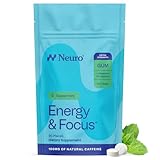
- Fast-Acting Nootropic - Our energy supplements deliver an extra boost of energy and clarity with a blend of natural caffeine, L-theanine, and vitamin b6 & b12. Your go-to chewing gum for work, exercise, and daily focus!
- Clean Energy - Each piece of our sugar free gum delivers 100mg of natural caffeine from green coffee beans for a smooth energy boost without crashes or jitters.
- The Perfect Balance - With 60mg of L-theanine per piece, our energy and focus formula promotes enhanced focus and stress reduction to smooth energy boosts.
- How to Use - Chew one piece of the caffeine gum whenever focus or energy is lacking. Ideal for mornings, pre-workout, or afternoon slumps. Effects typically kick in within minutes thanks to optimal absorption through the mouth.
- Made by Neuro, Backed by Science - At Neuro, we combine neuroscience with clean, science backed ingredients to help you do more, think better, and feel your best every single day.
What affects the result
- Your individual sensitivity to caffeine: Some folks can drink espresso and sleep like a baby. Others feel it for hours.
- How much coffee you drink: A single cup is different from a whole pot.
- Your hydration levels: Are you drinking enough water throughout the day?
- Your existing muscle tension: If your back is already tight, caffeine might just push it over the edge.
- Your posture and ergonomics: Sitting poorly will hurt your back, coffee or no coffee.
- Your stress levels: If you’re already stressed, coffee can amplify that feeling.
- The type of coffee: Dark roasts often have less caffeine than light roasts.
- How you brew it: Espresso is concentrated. Drip coffee is more diluted.
- What you add to your coffee: Cream and sugar might not help if you’re sensitive to dairy or processed sugars.
- Your overall diet: General inflammation in the body can make pain worse.
- Your activity level: Moving more can help ease muscle tension.
- The time of day you drink it: Late-day coffee can mess with sleep, leading to more tension.
Pros, cons, and when it matters
- Pro: Coffee can boost alertness and focus. This can be good for productivity.
- Con: It can increase muscle tension for some. This might aggravate back pain.
- Pro: For some, coffee can actually relieve pain. It might be the adenosine-blocking effect.
- Con: It can disrupt sleep. Poor sleep leads to more pain and tension.
- Pro: It’s a ritual. A comforting start to the day for many.
- Con: Dehydration risk. If you don’t drink enough water alongside it.
- Pro: Antioxidants. Coffee has health benefits beyond the caffeine kick.
- Con: Acid reflux trigger. Can cause general discomfort.
- When it matters: If you have chronic back pain, pay attention to your body’s signals.
- When it matters: If you’re already a tense person, caffeine might not be your friend.
- When it matters: If you’re prone to dehydration, be extra mindful.
- When it matters: If you notice a clear pattern between coffee and pain flares, it’s worth investigating.
Common misconceptions
- Misconception: Coffee directly causes permanent back damage.
- Reality: For most, coffee doesn’t cause structural damage. It’s more about temporary effects.
- Misconception: All coffee is the same.
- Reality: Caffeine content and acidity vary wildly between beans and brewing methods.
- Misconception: If you feel fine, coffee isn’t affecting your back.
- Reality: Subtle muscle tension or dehydration might not be immediately obvious.
- Misconception: Decaf coffee is completely harmless.
- Reality: Decaf still has trace amounts of caffeine and acidity.
- Misconception: Coffee is the only reason for back pain.
- Reality: Back pain is usually multifactorial. Many things contribute.
- Misconception: You have to quit coffee cold turkey to see a difference.
- Reality: Gradually reducing intake can also reveal its impact.
- Misconception: Coffee addiction is the main problem.
- Reality: While caffeine dependence is real, the physical effects on muscles are a separate issue.
- Misconception: Coffee is inherently bad for your health.
- Reality: Moderate coffee consumption has been linked to various health benefits.
FAQ
Q: Can caffeine make my back muscles tighter?
A: Yes, for some people, caffeine can increase muscle tension. This is because it’s a stimulant that affects your nervous system.
Q: Does coffee dehydrate me and hurt my back?
A: Coffee can have a mild diuretic effect. If you don’t drink enough water to compensate, dehydration could potentially affect your spinal discs.
To counteract potential dehydration from coffee and support spinal disc health, incorporating hydration supplements into your routine might be beneficial.

- FAST HYDRATION: Science-based electrolyte powder formula hydrates faster than water alone; useful to rehydrate on-the-go for athletes, sports, outdoor activities, travel, and hot days.
- ELECTROLYTE FORMULA: Delivers 3x electrolytes and half the sugar than leading sports drinks in a portable, easy-mix great tasting hydration powder.
- INGREDIENT-CONSCIOUS: Non-GMO, Gluten Free, Vegan, Soy-Free, Dairy-Free, and Kosher; includes potassium, magnesium, zinc, and vitamin C for added immune support, with natural colors from fruit and vegetable juices.
- SINGLE-SERVE CONVENIENCE: Includes 16 portable electrolyte packets that are easy to carry in a gym bag, backpack, purse, desk or pantry; a simple way to keep hydration packets on hand for daily use, workouts, commuting, and travel days.
- DELICIOUS FLAVOR: Men's Journal Fitness Award for the Best-Tasting Hydration Drink. Enjoy Watermelon, Berry, Lemon, and Orange flavors in one pouch. Mix 1 packet into 8 oz of water for on-the-go hydration.
Q: I have back pain. Should I stop drinking coffee immediately?
A: Not necessarily. Try reducing your intake first and observe if your pain changes. If you’re concerned, talk to your doctor.
Q: Are there specific types of coffee that are worse for back pain?
A: Highly acidic coffees or those with very high caffeine content might be more likely to cause issues for sensitive individuals.
Q: What if I drink coffee and feel better?
A: That’s possible! For some, the stimulant effect might temporarily boost energy and distract from pain, or even influence pain perception.
Q: How much coffee is too much if I have back pain?
A: There’s no magic number. It depends entirely on your personal tolerance and how your body reacts. Start by cutting back and see.
Q: Can additives like milk or sugar in coffee affect my back pain?
A: While not directly related to the coffee itself, some people have sensitivities to dairy or sugar that could contribute to inflammation or discomfort.
Q: Is there a link between coffee and nerve pain in my back?
A: The link is indirect. Caffeine’s effect on muscle tension or dehydration might indirectly influence nerves, but it’s not a direct cause of nerve damage.
What this page does NOT cover (and where to go next)
- Specific medical advice for diagnosing or treating back pain. Consult a healthcare professional.
- Detailed comparisons of different coffee brewing methods and their caffeine content. Explore brewing guides.
- Nutritional information about coffee beyond its stimulant effects. Look into coffee’s nutritional profile.
- The psychological aspects of coffee addiction or withdrawal. Research caffeine dependence.
- Advanced techniques for managing chronic pain conditions. Seek out pain management specialists.