
Espresso Iced Coffee Recipe
Quick answer
- Brew espresso shots directly over ice for rapid chilling and to prevent dilution.
- Use a good quality espresso machine and fresh, finely ground coffee for best results.
- Adjust milk or sweetener to taste, adding them after the espresso has cooled slightly.
- Aim for a strong espresso base to stand up to dilution from ice and other ingredients.
- Consider using coffee ice cubes to maintain strength as the drink melts.
- A standard recipe uses 2-3 shots of espresso, 4-6 oz of milk, and 1-2 oz of sweetener over ice.
- Experiment with different milks and syrups to find your perfect flavor profile.
Who this is for
- Home baristas looking to recreate their favorite coffee shop iced espresso drinks.
- Coffee lovers who enjoy the strong, concentrated flavor of espresso in a refreshing cold beverage.
- Anyone seeking a quick and customizable iced coffee solution without needing a cold brew setup.
What to check first
Brewer type and filter type
For an espresso iced coffee, you’ll need an espresso machine capable of producing true espresso shots. This means it can generate sufficient pressure (typically 9 bars) to extract concentrated coffee. Drip coffee makers, pour-over devices, or French presses, while great for other coffee types, won’t produce the necessary espresso base. Ensure your espresso machine is clean and functioning correctly. If your machine uses a portafilter, make sure it’s free of old coffee grounds.
Water quality and temperature
Water is over 98% of your coffee, so its quality matters. Use filtered water to avoid off-flavors and scale buildup in your machine. Tap water, especially if hard or chlorinated, can negatively impact taste. The espresso machine handles the heating, aiming for a brew temperature around 195-205°F (90-96°C) for optimal extraction. You don’t need to pre-heat the water yourself, but ensure your machine has adequately warmed up before brewing.
Grind size and coffee freshness
For espresso, a very fine grind is essential. It should feel like powdered sugar or flour between your fingers, but not clumpy. If the grind is too coarse, your espresso will extract too quickly and taste weak or sour. If it’s too fine, it will extract too slowly and taste bitter or burnt. Always use freshly roasted coffee beans, ideally roasted within the last 2-4 weeks, and grind them just before brewing. Pre-ground coffee loses its freshness and aromatics rapidly.
For espresso, a very fine grind is essential, and always use freshly roasted espresso beans, ideally roasted within the last 2-4 weeks, grinding them just before brewing.
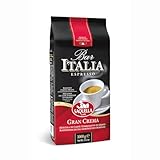
- AUTHENTIC ITALIAN ESPRESSO EXPERIENCE: From Saquella Caffè, family coffee roasters in Italy since 1856 — blending heritage, passion, and quality in every bean.
- FULL-BODIED & CREAMY FLAVOR: A signature Arabica and Robusta blend that delivers a bold espresso with a thick, velvety crema and lingering chocolate notes.
- MEDIUM-DARK ROAST: Carefully roasted for a rich aroma and balanced taste — smooth yet intense, ideal for espresso, cappuccino, or macchiato.
- CONSISTENT QUALITY: Beans are slow-roasted and expertly blended to ensure uniform extraction and a true Italian café-style experience at home.
- MADE IN ITALY: Imported directly from Italy — Saquella Bar Italia Gran Crema is the choice of professional baristas and espresso lovers worldwide.
Coffee-to-water ratio
Espresso uses a much higher coffee-to-water ratio than other brewing methods. A common starting point for a double shot (around 2 fl oz) is 18-20 grams of finely ground coffee. The goal is to extract about twice the weight of the coffee grounds in liquid espresso. For example, 18g of coffee should yield about 36g of espresso. This ratio creates the concentrated base needed for an iced drink that won’t become watery.
Cleanliness/descale status
A clean machine is crucial for good-tasting coffee and longevity. Regularly clean your portafilter, brew group, and steam wand after each use. Backflushing (if your machine allows it) helps clear built-up coffee oils. Descale your machine periodically, following the manufacturer’s instructions, to remove mineral buildup from water. Limescale can restrict water flow, affect temperature, and impart off-flavors.
Step-by-step how to make a iced coffee with espresso
1. Prepare your espresso machine:
- What to do: Turn on your espresso machine and allow it to fully heat up, usually 15-30 minutes, until the “ready” light indicates it’s at brewing temperature.
- What “good” looks like: The machine is hot, and the portafilter is warm to the touch, ensuring stable brew temperature.
- Common mistake: Not letting the machine heat up enough, leading to cold shots and poor extraction. Avoid by waiting for the indicator light.
2. Grind your coffee beans:
- What to do: Measure 18-20 grams of fresh, whole bean coffee and grind it to a very fine, espresso-specific consistency.
- What “good” looks like: The grind is uniform and feels like fine powder, suitable for proper espresso extraction.
- Common mistake: Using pre-ground coffee or an incorrect grind size, resulting in weak or bitter espresso. Avoid by grinding fresh and adjusting your grinder.
3. Dose and tamp the portafilter:
- What to do: Distribute the ground coffee evenly in your portafilter basket, then tamp it firmly and level with consistent pressure (around 30 lbs).
- What “good” looks like: A flat, even coffee puck with no loose grounds, allowing for uniform water flow.
- Common mistake: Uneven tamping or too much/too little coffee, causing channeling and inconsistent extraction. Avoid by using a level tamper and consistent pressure.
4. Place ice in your serving glass:
- What to do: Fill your chosen serving glass (8-12 oz capacity) with ice cubes, about 3/4 full.
- What “good” looks like: Plenty of ice to rapidly chill the espresso without excessive dilution.
- Common mistake: Not enough ice, leading to a warm, diluted drink. Avoid by using ample ice.
Fill your chosen serving glass, ideally an 8-12 oz capacity, with plenty of ice cubes, about 3/4 full, to ensure rapid chilling.
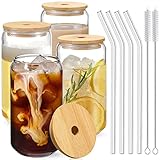
- PRODUCT CONFIGURATION: Drinking glass set includes 4 glass cups [ Diameter - 3 inches, Height - 5.6 inches ],4 nature bamboo lids, 4 reusable glass straws and 2 cleaning brushes, Classic design tumbler
- DURABLE and SAFE: The glasses are made of high-quality durable clear glass, Lead-free and BPA-free. It can be used safely for a long time. This thick clear glass can withstand the sudden changes in the temperature difference between -68°F to 212°F, making them dishwasher safe. If you want to decorate this glass, you can do DIY easily without breakage
- MULTI-PURPOSE: The glassware Great for any Occasion, any hot and cold drinks, home essentials. It is widely loved by families, kitchen, breweries, cafes, bars and restaurants. You can use it to make perfect tea, bubble Pearl Milk Tea, soda, water, iced coffee, smoothie, fruit juice or any other interesting holiday drinks
- AMAZING GIFT: This jar is very fashionable, aesthetic and characteristic. Excellent workmanship. Perfect Gifts for Women, House warming gifts, Tea mug Sets, Highball Glasses, Home Bar Accessories, Birthdays, Graduation, Weddings and Christmas Gifts
- SATISFIED SERVICE: This glass set is packaged in the heavy bubble holder and thick carton box to prevent damage while in transport. If the glass set you received was damaged or imperfect or you are not satisfied, we will offer a satisfactory solution
5. Brew espresso shots directly over ice:
- What to do: Lock the portafilter into the group head and immediately start brewing 2-3 shots of espresso (approx. 2-3 fl oz total) directly over the ice in your glass.
- What “good” looks like: The espresso pours as a steady, honey-like stream with a rich, reddish-brown crema, chilling instantly as it hits the ice. Extraction time should be around 25-30 seconds for a double shot.
- Common mistake: Brewing into a separate cup then pouring over ice, which allows the espresso to cool slowly and lose aromatics. Avoid by brewing directly over ice.
6. Add sweetener (optional):
- What to do: If desired, add 1-2 tablespoons of simple syrup, flavored syrup, or granulated sugar to the chilled espresso and stir until dissolved.
- What “good” looks like: Sweetener is fully incorporated into the cold espresso.
- Common mistake: Adding sugar directly to cold espresso without stirring, leading to undissolved sugar at the bottom. Avoid by stirring thoroughly or using a liquid sweetener.
7. Add milk or milk alternative:
- What to do: Pour 4-6 fl oz of your preferred cold milk or milk alternative (dairy, oat, almond, etc.) over the espresso and ice.
- What “good” looks like: Milk blends smoothly with the espresso, creating a visually appealing layered or mixed drink.
- Common mistake: Adding milk too quickly or without enough ice, causing excessive dilution. Avoid by pouring gently over ice.
8. Stir and serve:
- What to do: Give the drink a final gentle stir to combine all ingredients.
- What “good” looks like: A well-mixed, refreshing iced espresso drink.
- Common mistake: Over-stirring, which can melt ice too quickly. Avoid by stirring just enough to combine.
Common mistakes (and what happens if you ignore them)
| Mistake | What it causes | Fix |
|---|---|---|
| Using stale coffee beans | Flat, lifeless flavor; poor crema. | Always use fresh beans, roasted within 2-4 weeks. |
| Incorrect grind size (too coarse) | Weak, watery, under-extracted espresso; fast shot time. | Adjust grinder to a finer setting; espresso should feel like powder. |
| Incorrect grind size (too fine) | Bitter, burnt, over-extracted espresso; slow shot time or choked machine. | Adjust grinder to a coarser setting; espresso should feel like fine powder. |
| Insufficient tamping or uneven distribution | Channeling (water finds paths through coffee), leading to uneven extraction and weak spots. | Distribute grounds evenly, then tamp firmly and level with consistent pressure. |
| Not preheating the espresso machine | Cold espresso shots, poor extraction, lack of crema. | Allow machine to fully heat up (15-30 min) before brewing. |
| Brewing espresso into a warm cup first | Espresso cools slowly, loses aromatics, tastes less vibrant when iced. | Brew espresso directly over ice in your serving glass. |
| Not enough ice | Drink becomes diluted quickly as a few cubes melt, resulting in a watery taste. | Fill your serving glass with plenty of ice (about 3/4 full). |
| Adding granulated sugar to cold liquid | Sugar won’t dissolve properly, leaving gritty residue at the bottom. | Use simple syrup or dissolve sugar in a small amount of warm espresso first. |
| Using tap water with off-flavors or high mineral content | Imparts unpleasant tastes to the coffee; causes scale buildup in machine. | Use filtered water for both brewing and drinking. |
| Not cleaning/descaling machine regularly | Bitter taste from old coffee oils; restricted water flow, off-flavors from scale. | Clean portafilter/group head daily; backflush and descale as per manual. |
Decision rules for how to make a iced coffee with espresso
- If your espresso shot pulls in under 20 seconds, then your grind is too coarse because water is flowing through too quickly.
- If your espresso shot pulls in over 35 seconds, then your grind is too fine because water is struggling to pass through.
- If your iced coffee tastes watery, then you likely didn’t use enough ice or your espresso was too weak because it diluted too much.
- If your iced coffee tastes too bitter, then your espresso was likely over-extracted because of too fine a grind or too long a shot.
- If your iced coffee tastes too sour or weak, then your espresso was likely under-extracted because of too coarse a grind or too short a shot.
- If your milk curdles when added, then your espresso was likely too acidic or the milk was expired because acidity can cause protein denaturation.
- If you prefer a richer, creamier iced coffee, then use whole milk or oat milk because they have higher fat content.
- If you want to reduce dilution, then use coffee ice cubes because they will melt into coffee, not water.
- If you find the drink too sweet, then reduce the amount of syrup or sweetener because individual preference varies greatly.
- If you want to add flavor, then experiment with flavored syrups (vanilla, caramel, hazelnut) because they dissolve easily in cold drinks.
- If your espresso machine isn’t heating properly, then check the power connection and internal thermostat because it’s crucial for proper extraction.
- If you notice scale buildup, then descale your machine immediately because it impacts performance and taste.
FAQ
Can I use regular brewed coffee instead of espresso for an iced coffee?
While you can make iced coffee with regular brewed coffee, it won’t be the same as an espresso iced coffee. Espresso is much more concentrated, providing a bolder flavor that stands up well to ice and milk without becoming watery. Regular brewed coffee often needs to be brewed extra strong or cold-brewed to achieve a similar intensity.
What kind of ice is best for iced espresso drinks?
Standard ice cubes work perfectly fine. However, if you want to prevent any dilution, consider using coffee ice cubes made from leftover brewed coffee or even frozen espresso shots. This way, as the ice melts, it only adds more coffee flavor, not water.
How much milk should I add to my iced espresso?
This is largely a matter of personal preference. A good starting point is 4-6 fluid ounces of milk for 2-3 shots of espresso. You can adjust this up or down based on how strong and creamy you like your drink. Experiment with different types of milk, like whole milk for richness or oat milk for a dairy-free creamy texture.
What’s the best way to sweeten an iced espresso?
Simple syrup or flavored syrups are ideal for iced drinks because they are liquid and dissolve easily in cold beverages. If you prefer granulated sugar, you can dissolve it in a tiny bit of warm espresso before adding ice, or stir very thoroughly once combined with the cold ingredients.
My espresso tastes bitter/sour. What should I do?
Bitter espresso often indicates over-extraction, usually from too fine a grind or too long a shot time. Sour espresso often indicates under-extraction, typically from too coarse a grind or too short a shot time. Adjust your grind size and monitor your shot time (aim for 25-30 seconds for a double shot) to fine-tune your extraction.
Can I make a large batch of iced espresso?
It’s generally best to make espresso fresh for each drink to preserve its quality and crema. However, you can brew multiple shots back-to-back and immediately chill them over ice. For larger quantities, consider making a cold brew concentrate as an alternative, which is designed for batch preparation.
What this page does NOT cover (and where to go next)
- Detailed espresso machine maintenance and repair guides
- In-depth coffee bean selection and roasting profiles
- Advanced latte art techniques for iced beverages
- Comparing different espresso machine types (e.g., semi-automatic vs. super-automatic)
- The science of coffee extraction and thermodynamics
- Commercial coffee shop operations and scaling recipes