
Crafting Iced Coffee With An Espresso Maker
Quick answer
- Use a double shot of espresso for a strong base.
- Chill your espresso immediately after brewing.
- Use filtered water for the best flavor.
- Experiment with coffee-to-water ratios for your desired strength.
- Don’t let your espresso sit and get bitter before chilling.
- Use good quality ice; it makes a difference.
Who this is for
- Espresso machine owners who want a quick iced coffee.
- Coffee lovers looking for a less diluted iced drink.
- Home baristas ready to elevate their cold coffee game.
What to check first
Brewer type and filter type
You’re using an espresso maker. That’s the star here. Make sure it’s clean. A dirty machine means a bitter brew, and nobody wants that for their iced coffee. Check your portafilter basket, too.
Water quality and temperature
Good water makes good coffee. Period. If your tap water tastes funky, your espresso will too. Use filtered water. For iced coffee, the brewing temperature is set by the machine, but the final temperature is key. You want that espresso cold, fast.
Grind size and coffee freshness
Espresso needs a fine grind. Too coarse, and it’ll be weak and watery. Too fine, and it’ll choke the machine. Freshly roasted beans, ground right before brewing, are your best bet. Old beans just don’t have that zing.
Coffee-to-water ratio
This is where you dial in your strength. For iced coffee, you might want a slightly higher coffee-to-water ratio in your espresso shot itself, since you’ll be adding ice and possibly milk. Think of it as building a concentrated base.
Cleanliness/descale status
Seriously, clean your machine. Limescale buildup is a flavor killer and can mess with your machine’s performance. Descale it according to the manufacturer’s instructions. It’s not glamorous, but it’s crucial.
Step-by-step (brew workflow)
1. Prep your espresso maker. Make sure it’s clean and ready to go.
- Good looks like: A gleaming machine, no old coffee grounds.
- Common mistake: Forgetting to wipe down the portafilter. This can lead to channeling and uneven extraction. Wipe it clean with a dry cloth.
2. Grind your coffee beans. Aim for a fine, consistent grind suitable for espresso.
- Good looks like: Fine, uniform grounds that feel like powdered sugar but not quite.
- Common mistake: Grinding too fine or too coarse. Too coarse leads to weak coffee; too fine clogs the machine. Adjust your grinder.
3. Dose and tamp your portafilter. Fill the basket with the correct amount of coffee and tamp it evenly.
- Good looks like: A level, firm tamp. No loose spots.
- Common mistake: Uneven tamping or too much/too little coffee. This causes “channeling” where water finds easy paths, leading to a sour or bitter shot. Tamp with consistent pressure.
4. Lock in the portafilter. Secure it firmly in the group head.
- Good looks like: A snug fit, no wobbling.
- Common mistake: Not locking it in tight enough. This can lead to leaks and a messy brew. Give it a firm twist.
5. Brew your espresso shot(s). Start the brew cycle immediately. Aim for a double shot (about 2 oz).
- Good looks like: A steady stream of rich, dark liquid, like warm honey.
- Common mistake: Letting the machine sit idle after heating. This can overheat the coffee puck. Brew right away.
6. Chill the espresso IMMEDIATELY. This is key for iced coffee.
- Good looks like: Pouring the hot espresso directly into a chilled glass or metal container.
- Common mistake: Letting hot espresso sit in the cup. It will get bitter and the flavor degrades quickly. Have your chilling vessel ready.
7. Add ice. Fill your serving glass with plenty of good quality ice.
- Good looks like: A glass packed with ice, ready to keep your coffee cold.
- Common mistake: Using too little ice or poor quality ice. This leads to rapid dilution and a weak drink. Use more ice than you think you need.
Fill your serving glass with plenty of good quality ice. Using a nice set of iced coffee glasses can really enhance the experience.
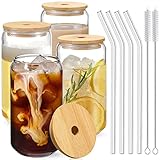
- PRODUCT CONFIGURATION: Drinking glass set includes 4 glass cups [ Diameter - 3 inches, Height - 5.6 inches ],4 nature bamboo lids, 4 reusable glass straws and 2 cleaning brushes, Classic design tumbler
- DURABLE and SAFE: The glasses are made of high-quality durable clear glass, Lead-free and BPA-free. It can be used safely for a long time. This thick clear glass can withstand the sudden changes in the temperature difference between -68°F to 212°F, making them dishwasher safe. If you want to decorate this glass, you can do DIY easily without breakage
- MULTI-PURPOSE: The glassware Great for any Occasion, any hot and cold drinks, home essentials. It is widely loved by families, kitchen, breweries, cafes, bars and restaurants. You can use it to make perfect tea, bubble Pearl Milk Tea, soda, water, iced coffee, smoothie, fruit juice or any other interesting holiday drinks
- AMAZING GIFT: This jar is very fashionable, aesthetic and characteristic. Excellent workmanship. Perfect Gifts for Women, House warming gifts, Tea mug Sets, Highball Glasses, Home Bar Accessories, Birthdays, Graduation, Weddings and Christmas Gifts
- SATISFIED SERVICE: This glass set is packaged in the heavy bubble holder and thick carton box to prevent damage while in transport. If the glass set you received was damaged or imperfect or you are not satisfied, we will offer a satisfactory solution
8. Pour the chilled espresso over ice.
- Good looks like: The espresso hitting the ice and chilling further, creating a beautiful cascade.
- Common mistake: Pouring hot espresso over ice. This melts the ice too fast and dilutes the coffee. Ensure your espresso is already cooled.
9. Add cold water or milk (optional). Top up to your desired strength and creaminess.
- Good looks like: Your drink reaching your preferred level of dilution and color.
- Common mistake: Adding too much liquid too soon. This can over-dilute your concentrated espresso base. Add gradually.
10. Sweeten and stir. Add your preferred sweetener and stir well.
- Good looks like: Sweetener fully dissolved, no gritty bits at the bottom.
- Common mistake: Not stirring enough. This leaves sweet spots and bland spots. Stir until everything is incorporated.
Common mistakes (and what happens if you ignore them)
| Mistake | What it causes | Fix |
|---|---|---|
| Using old or stale coffee beans | Flat, lifeless flavor, lack of crema | Use freshly roasted beans, ground just before brewing. |
| Incorrect grind size | Under-extraction (sour) or over-extraction (bitter), poor flow | Dial in your grinder for a fine, consistent espresso grind. |
| Uneven tamping | Channeling, inconsistent extraction, weak or bitter coffee | Tamp with firm, even pressure, ensuring the coffee bed is level. |
| Letting hot espresso sit before chilling | Bitter flavor development, rapid cooling leads to dilution issues | Pour hot espresso directly into a chilled container or over ice immediately after brewing. |
| Using tap water with off-flavors | Unpleasant taste in the final coffee | Use filtered or bottled water for brewing. |
| Not cleaning the espresso machine regularly | Burnt flavors, reduced performance, machine damage | Follow manufacturer’s descaling and cleaning schedule. |
| Using too little ice | Drink gets watery too quickly, flavor is diluted | Pack your glass generously with good quality ice. |
| Adding liquid too quickly after espresso | Over-dilution of the concentrated coffee base | Add cold water or milk gradually until desired strength is reached. |
| Not stirring sweetener properly | Inconsistent sweetness, gritty residue at the bottom | Stir thoroughly until all sweetener is dissolved. |
| Over-extracting the espresso shot | Bitter, harsh, and sometimes burnt taste | Monitor your shot time (typically 25-30 seconds) and adjust grind/tamp as needed. |
Decision rules (simple if/then)
- If your espresso tastes sour, then your grind is likely too coarse because coarser grinds lead to faster, under-extracted shots.
- If your espresso tastes bitter, then your grind is likely too fine or your brew time is too long because finer grinds or longer times lead to over-extraction.
- If your espresso flows too fast, then your grind is too coarse or your tamp is too light because the water passes through too quickly.
- If your espresso flows too slow or drips, then your grind is too fine or your tamp is too hard because the water struggles to get through.
- If your iced coffee tastes weak, then you may need to use more coffee grounds or a slightly finer grind for your espresso shot because you’re building the base.
- If your iced coffee tastes too strong and bitter, then you might be over-extracting your espresso or need more ice/water to dilute it because the initial concentration is too high.
- If your espresso has no crema, then your beans might be too old or your grind/tamp is off because crema is an indicator of freshness and proper extraction.
- If your iced coffee tastes like burnt coffee, then your espresso machine might be dirty or your espresso was brewed too hot for too long because residue or over-extraction creates burnt notes.
- If your drink dilutes too fast, then you need to use more ice or colder ingredients because the initial temperature difference is too great.
- If your iced coffee isn’t sweet enough, then add more sweetener because it’s the simplest way to adjust sweetness.
- If you experience channeling during brewing, then check your tamping technique and grind distribution because unevenness causes water to rush through certain areas.
FAQ
Can I just brew hot coffee and pour it over ice?
You can, but it’s not ideal. Hot coffee poured directly over ice melts it too fast, resulting in a diluted, watery drink. Espresso, being more concentrated, handles dilution better.
How much espresso should I use?
A standard double shot (about 2 oz) is a good starting point. Adjust based on your preference for strength and the size of your serving glass.
What kind of coffee beans are best for iced espresso?
Medium to dark roasts often work well, as their bold flavors can stand up to ice and dilution. However, experiment with lighter roasts if you enjoy more nuanced flavors.
Do I need a special kind of ice?
While any ice will work, larger, denser ice cubes melt slower, leading to less dilution. Coffee ice cubes are also a popular choice to avoid watering down your drink.
How can I make my iced coffee sweeter without adding sugar?
You can use simple syrup, which dissolves easily in cold drinks. Flavored syrups like vanilla or caramel can also add sweetness and flavor.
What if I don’t have a milk frother for my espresso machine?
No worries. You can simply add cold milk or cream directly to your iced coffee. For a frothy texture without a frother, you can shake milk in a sealed jar or use a handheld frother.
My iced coffee tastes bitter, what’s wrong?
This could be due to over-extracted espresso (grind too fine, brew time too long) or a dirty machine. Ensure your espresso is brewed correctly and your equipment is clean.
How do I avoid a watery iced coffee?
The key is to chill your espresso quickly and use plenty of ice. Consider using larger ice cubes or making coffee ice cubes. Also, start with a more concentrated espresso base.
What this page does NOT cover (and where to go next)
- Detailed troubleshooting for specific espresso machine brands.
- Advanced latte art techniques for iced beverages.
- The science behind crema formation and extraction variables.
- Comparisons of different espresso machine models or brands.
- Recipes for complex iced coffee drinks beyond a basic espresso base.