
Espresso Coffee With Your De’Longhi Machine
Quick answer
- Ensure your De’Longhi machine is clean and descaled for optimal performance.
- Use fresh, finely ground coffee beans specifically for espresso.
- Tamp the coffee grounds evenly and firmly in the portafilter.
- Preheat your De’Longhi machine and portafilter for stable brewing temperatures.
- Aim for a brew time of 25-30 seconds for a balanced shot.
- Adjust grind size and dose if your espresso is too fast or too slow.
Who this is for
- New De’Longhi espresso machine owners looking for a clear brewing guide.
- Anyone struggling to achieve consistent, quality espresso shots with their De’Longhi.
- Coffee enthusiasts wanting to improve their understanding of espresso brewing principles specific to their machine.
What to check first
Brewer type and filter type
Your De’Longhi machine is designed for espresso, typically using a pressurized portafilter and basket. This system is more forgiving than traditional non-pressurized baskets, but understanding it is key.
- What to check: Confirm you are using the correct portafilter and basket that came with your De’Longhi machine. These are often designed to create their own pressure, aiding in crema formation.
- Good looks like: The portafilter locks securely into the group head, and the basket sits snugly within the portafilter.
Water quality and temperature
Water is the primary ingredient in your espresso, so its quality and temperature significantly impact the taste.
- What to check: Use filtered water. Tap water can contain minerals that build up in your machine and affect flavor. Check your De’Longhi manual for recommended water temperature ranges, though most are factory-set.
- Good looks like: Filtered water that runs through your machine without leaving behind chalky residue. The machine should heat water to the appropriate brewing temperature, typically between 195°F and 205°F.
Grind size and coffee freshness
The grind size determines how quickly water passes through the coffee, and freshness ensures vibrant flavors.
- What to check: Use whole bean coffee roasted within the last few weeks and grind it just before brewing. The grind should be very fine, similar to powdered sugar or flour, but not so fine that it becomes clumpy.
- Good looks like: A fine, consistent powder that can be easily tamped. If your grounds are too coarse, water will rush through, resulting in a weak shot. If too fine, it can choke the machine.
For the best results, use freshly roasted whole espresso coffee beans and grind them just before brewing. Consider trying these high-quality espresso beans for a rich flavor profile.
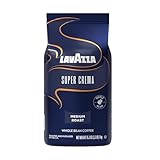
- SUPER CREMA: A 2.2 lb whole bean coffee bag ideal for espresso preparation
- INTENSITY AND ROAST: This full-bodied medium roast offers a bold and creamy finish
- BLEND: Made from Arabica and Robusta beans, this naturally caffeinated blend is sourced from 15 coffee-growing countries around the world
- PREPARATION: Ideal for espresso preparation.
- BREWING GUIDE FOR SINGLE ESPRESSO: 0.28 oz of ground espresso delivers a 1 oz espresso shot
Coffee-to-water ratio
The ratio of coffee grounds to the volume of espresso produced is crucial for balanced flavor.
- What to check: A common starting point for a double shot is around 18-20 grams of coffee grounds to produce about 36-40 grams (or roughly 1.5-2 oz) of liquid espresso. Refer to your De’Longhi manual or experiment to find what works best for your taste.
- Good looks like: Using a scale to measure both your coffee grounds and your final espresso yield for consistency.
Cleanliness/descale status
A clean machine is essential for both flavor and longevity.
- What to check: Regularly clean your portafilter, brew basket, and drip tray. Your De’Longhi machine likely has a descaling indicator; follow the manual’s instructions for descaling frequency.
- Good looks like: No coffee residue in the portafilter or brew basket, and the machine’s indicator lights are clear, showing no need for descaling.
Step-by-step (brew workflow)
1. Turn on and preheat your De’Longhi machine.
- What to do: Power on the machine and allow it to heat up fully. Many De’Longhi models have an indicator light that signals when the machine is ready.
- What “good” looks like: The ready light is illuminated, indicating the boiler and group head are at the optimal brewing temperature.
- Common mistake: Brewing before the machine is fully heated, leading to under-extracted, sour espresso. Avoid this by waiting for the ready light.
2. Flush the group head.
- What to do: Run a short burst of hot water through the group head without the portafilter attached.
- What “good” looks like: A steady stream of hot water, clearing out any old coffee grounds and ensuring the group head is at temperature.
- Common mistake: Skipping this step, which can lead to stale coffee particles affecting the taste of your fresh shot.
3. Grind your coffee beans.
- What to do: Weigh your desired amount of fresh, whole coffee beans (e.g., 18-20 grams for a double shot). Grind them to a fine espresso consistency using a quality burr grinder.
- What “good” looks like: A fluffy, consistent pile of finely ground coffee.
- Common mistake: Using pre-ground coffee or grinding too coarse/fine. Pre-ground coffee loses freshness quickly, and incorrect grind size is a primary cause of brewing issues.
4. Dose the portafilter.
- What to do: Carefully transfer the ground coffee into your De’Longhi portafilter basket. Distribute the grounds evenly.
- What “good” looks like: The grounds fill the basket without overflowing, and are relatively level.
- Common mistake: Uneven distribution, which can lead to channeling (water finding paths of least resistance) and an unbalanced shot. Tap the portafilter gently on the counter to settle grounds if needed.
5. Tamp the coffee grounds.
- What to do: Use your tamper to press down firmly and evenly on the coffee grounds. Aim for consistent pressure.
- What “good” looks like: A smooth, flat, and firm puck of coffee.
- Common mistake: Tamping too lightly or unevenly, resulting in poor extraction and watery espresso. Apply consistent pressure, around 30 lbs of force is a common guideline.
6. Clean the portafilter rim.
- What to do: Wipe away any loose coffee grounds from the rim and edges of the portafilter.
- What “good” looks like: A clean rim, ensuring a good seal with the group head gasket.
- Common mistake: Leaving grounds on the rim, which can interfere with the seal and cause leaks or uneven pressure.
7. Lock the portafilter into the group head.
- What to do: Insert the portafilter into the group head and twist it firmly into place.
- What “good” looks like: The portafilter is securely locked, with the handle angled slightly towards the front or side as intended by your machine’s design.
- Common mistake: Not locking the portafilter in fully, which can lead to it dislodging during brewing.
8. Start the espresso extraction.
- What to do: Immediately place your preheated espresso cup(s) under the portafilter spouts and press the brew button on your De’Longhi machine.
- What “good” looks like: The espresso begins to flow within a few seconds, starting as dark, thick streams that gradually lighten.
- Common mistake: Delaying the start of extraction after locking in the portafilter, which can cause the coffee bed to “bake” and over-extract.
9. Monitor the shot and stop extraction.
- What to do: Watch the flow and color of the espresso. Aim to stop the shot when the stream becomes thin and blond, or when you reach your target yield (e.g., 36-40 grams of liquid espresso). This typically takes 25-30 seconds.
- What “good” looks like: A rich, syrupy flow that gradually thins. The final shot has a nice layer of crema on top.
- Common mistake: Over-extracting (too long, too watery, bitter) or under-extracting (too short, sour, weak). Use a timer and a scale for consistency.
10. Eject the used coffee puck.
- What to do: Once extraction is complete, carefully unlock and remove the portafilter. Knock out the used coffee puck into a knock box or trash bin.
- What “good” looks like: A relatively dry, firm puck that comes out cleanly.
- Common mistake: A wet, muddy puck indicates an issue with extraction, potentially too coarse a grind or insufficient tamping.
11. Clean the portafilter and group head.
- What to do: Rinse the portafilter and basket under hot water. Flush the group head again with a short burst of water.
- What “good” looks like: Clean equipment ready for the next shot or storage.
- Common mistake: Leaving coffee residue on the equipment, which can go rancid and affect future brews.
Common mistakes (and what happens if you ignore them)
| Mistake | What it causes | Fix |
|---|---|---|
| Brewing with a cold machine | Under-extracted, sour, watery espresso | Always wait for the machine’s ready light before brewing. |
| Using stale or pre-ground coffee | Flat, dull flavor, lack of crema | Buy fresh whole beans and grind them immediately before brewing. |
| Grind size too coarse | Water flows too quickly, resulting in weak, sour espresso (under-extracted) | Adjust grinder to a finer setting. |
| Grind size too fine | Water struggles to flow, leading to bitter, burnt espresso (over-extracted) | Adjust grinder to a coarser setting. |
| Inconsistent or weak tamping | Channeling, uneven extraction, weak espresso | Tamp with firm, consistent pressure, ensuring the coffee bed is level. |
| Uneven distribution of grounds | Channeling, leading to a watery shot with bitter and sour notes | Distribute grounds evenly in the basket before tamping. |
| Over-extraction (brewing too long) | Bitter, burnt, astringent taste | Stop the shot when it becomes thin and blond, or when you reach your target yield. Use a timer. |
| Under-extraction (brewing too short) | Sour, acidic, weak taste, little crema | Increase the brew time by grinding finer or dosing slightly more coffee. Use a timer. |
| Dirty machine or portafilter | Stale, bitter flavors, clogged components | Clean your machine regularly and rinse the portafilter after each use. |
| Using the wrong water | Mineral buildup (scaling), affecting taste and machine function | Use filtered water. |
| Not flushing the group head | Old coffee particles can taint the fresh shot | Run a short stream of hot water through the group head before inserting the portafilter. |
| Not cleaning the portafilter rim | Leaks, inconsistent pressure, and potential for grounds to get stuck in gasket | Wipe the rim of the portafilter clean before locking it into the group head. |
Decision rules (simple if/then)
- If your espresso tastes sour and weak, then your grind is likely too coarse or you under-extracted, because water passed through too quickly.
- If your espresso tastes bitter and burnt, then your grind is likely too fine or you over-extracted, because water struggled to pass through or brewed for too long.
- If you see spurts of water and coffee from the sides of the puck, then you have channeling, because the coffee bed was not evenly distributed or tamped.
- If the espresso flows too fast (e.g., under 20 seconds for a double), then your grind is too coarse, because the water is not meeting enough resistance.
- If the espresso flows too slow or drips (e.g., over 35 seconds for a double), then your grind is too fine, because the water cannot easily pass through the dense coffee bed.
- If your machine is making unusual noises or brewing is inconsistent, then it may need descaling, because mineral buildup can impede water flow and heating.
- If your crema is thin and disappears quickly, then your coffee might be too old or the extraction was not optimal, because freshness and proper extraction are key to stable crema.
- If your espresso puck is very wet and muddy, then you may have under-extracted or had channeling, because the water did not properly saturate and extract the grounds evenly.
- If the espresso has no crema, then the coffee may be too old, the grind is incorrect, or the machine is not reaching optimal temperature, because these factors are essential for crema formation.
- If you are using a pre-ground coffee and having issues, then switch to freshly ground beans, because pre-ground coffee loses its volatile compounds and oils rapidly.
- If you are unsure about the correct dose, then start with 18 grams for a double shot and adjust based on taste and extraction time, because dose is a fundamental variable in espresso brewing.
- If your machine is not heating properly, then consult your De’Longhi manual for troubleshooting, because this could indicate a more serious internal issue.
FAQ
How often should I descale my De’Longhi machine?
The frequency of descaling depends on your water hardness and how often you use the machine. Many De’Longhi models have an indicator light to prompt you. As a general guideline, aim to descale every 2-3 months if you have hard water, or every 4-6 months with softer water. Always refer to your specific model’s manual for precise recommendations.
Can I use regular ground coffee in my De’Longhi espresso machine?
While you can technically put regular ground coffee in, it’s not recommended for optimal espresso. Espresso machines require a very fine, consistent grind that is specifically ground for espresso. Regular ground coffee is usually too coarse, leading to weak, under-extracted shots.
What is “channeling” in espresso?
Channeling occurs when water finds an easy path through the coffee puck, rather than flowing evenly through all the grounds. This results in an uneven extraction, where some parts of the coffee are over-extracted (bitter) and others are under-extracted (sour). It’s often caused by inconsistent tamping or uneven distribution of coffee grounds.
How do I get good crema on my espresso?
Good crema is a result of several factors: fresh coffee beans (roasted within the last few weeks), a fine and consistent espresso grind, proper tamping, and sufficient pressure from the machine. Using a pressurized portafilter, common in many De’Longhi models, also helps produce a thicker crema.
My espresso tastes too bitter. What could be wrong?
A bitter taste usually indicates over-extraction. This can happen if your grind is too fine, your dose is too high, or you brewed the shot for too long. Try grinding slightly coarser, reducing the brew time, or slightly decreasing the amount of coffee grounds.
My espresso tastes too sour. What should I do?
A sour taste typically means under-extraction. This can be caused by a grind that is too coarse, a dose that is too low, or brewing the shot for too short a time. Try grinding finer, increasing the amount of coffee grounds, or allowing the shot to brew for a few seconds longer.
How much coffee should I use for a single or double shot?
For a double shot, a common starting point is 18-20 grams of coffee. For a single shot, you might use 7-10 grams. It’s best to use a scale for accuracy. The ratio of coffee to water is crucial, and you’ll want to aim for about a 1:2 ratio of ground coffee to liquid espresso yield (e.g., 18g coffee yielding 36g espresso).
How do I clean the portafilter and brew basket?
After each shot, knock out the used coffee puck. Rinse the portafilter and basket thoroughly under hot running water. You can use a small brush to clean out any residual coffee grounds. Periodically, you may need to use a coffee machine cleaner to deep clean the basket.
What this page does NOT cover (and where to go next)
- Specific troubleshooting for error codes or unusual noises unique to your De’Longhi model. (Refer to your De’Longhi user manual for detailed diagnostic information.)
- Advanced espresso techniques like manual temperature surfing or pressure profiling. (Explore resources on manual espresso machine operation.)
- Comparisons of different types of coffee beans for espresso, such as origin or roast profiles. (Research coffee varietals and roast levels.)
- Maintenance procedures beyond basic cleaning and descaling, such as replacing gaskets or internal parts. (Consult a qualified appliance repair technician or specialized espresso service for complex repairs.)