Making Espresso at Home With a De’Longhi Machine
Quick Answer
- Dial in your grind: Too fine chokes the machine, too coarse runs like water.
- Fresh beans are king: Use beans roasted within the last month.
- Water matters: Filtered water prevents scale and improves taste.
- Tamp it right: Consistent, firm pressure is key for even extraction.
- Preheat everything: Warm your portafilter and cup.
- Watch the shot: Aim for a 25-30 second extraction for a double shot.
- Clean it often: Daily rinsing and regular descaling are non-negotiable.
Who This Is For
- Anyone who just unboxed their De’Longhi espresso machine and wants to make that first killer shot.
- Folks who’ve had their machine a while but are getting inconsistent results and want to up their game.
- Home baristas ready to move beyond basic drip coffee and explore the rich world of espresso.
What to Check First
Before you even think about pulling a shot, let’s make sure your setup is dialed in. A few quick checks can save you a lot of frustration.
Brewer Type and Filter Type
You’ve got a De’Longhi, so we’re talking espresso. Most use a portafilter with a basket. Make sure you’re using the right basket for the amount of coffee you’re trying to brew (single vs. double shot). If you have a pressurized basket (often with two spouts), it’s more forgiving. Unpressurized baskets demand more precision but offer better control.
Water Quality and Temperature
Your espresso is mostly water, so good water is crucial. Hard water can lead to scale buildup, which is bad for your machine and your coffee’s taste. Use filtered water if your tap water is iffy. For temperature, most De’Longhi machines heat the water internally. Just make sure the machine has had time to fully heat up – usually 10-15 minutes from a cold start. A steaming cup is a good sign.
Grind Size and Coffee Freshness
This is HUGE. For espresso, you need a fine grind, but not so fine it becomes powder. Think granulated sugar, maybe a touch finer. Freshness is equally important. Coffee beans start losing their good stuff after roasting. Aim for beans roasted within the last 4 weeks, ideally. Grind them right before you brew. Pre-ground coffee goes stale fast.
Freshness is equally important. For the best espresso, consider using high-quality coffee beans for espresso, roasted within the last month.
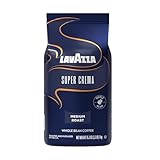
- SUPER CREMA: A 2.2 lb whole bean coffee bag ideal for espresso preparation
- INTENSITY AND ROAST: This full-bodied medium roast offers a bold and creamy finish
- BLEND: Made from Arabica and Robusta beans, this naturally caffeinated blend is sourced from 15 coffee-growing countries around the world
- PREPARATION: Ideal for espresso preparation.
- BREWING GUIDE FOR SINGLE ESPRESSO: 0.28 oz of ground espresso delivers a 1 oz espresso shot
Coffee-to-Water Ratio
This is often called the “brew ratio.” For a standard double shot, a good starting point is a 1:2 ratio. That means for every 1 gram of dry coffee grounds, you aim for 2 grams of liquid espresso. So, if you use 18 grams of coffee, you’re aiming for about 36 grams of liquid espresso. Use a scale for accuracy. It’s a game-changer.
Cleanliness/Descale Status
A dirty machine makes bad coffee. Period. Rinse your portafilter and basket after every use. Run a blank shot (just water) through the group head after brewing to flush out old grounds. If you see calcium buildup or your machine is acting sluggish, it’s time to descale. Check your De’Longhi manual for specific descaling instructions for your model.
Step-by-Step: Brewing Your De’Longhi Espresso
Alright, let’s get this done. Follow these steps and you’ll be pulling shots like a pro.
1. Turn on the machine and let it heat up.
- What “good” looks like: The machine’s ready light is on, and it feels warm to the touch. Give it at least 10-15 minutes.
- Common mistake: Rushing the warm-up. This leads to under-extracted, sour espresso. Patience, grasshopper.
2. Grind your coffee beans.
- What “good” looks like: A consistent, fine grind that feels like slightly damp sand.
- Common mistake: Using pre-ground coffee or a blade grinder. These create inconsistent particle sizes, leading to uneven extraction. Invest in a burr grinder.
3. Dose the portafilter.
- What “good” looks like: The correct amount of grounds in the basket, evenly distributed. Use a scale for precision (e.g., 18 grams for a double).
- Common mistake: Over or underfilling the basket. Too much grounds will choke the machine; too little will result in a weak shot.
4. Distribute the grounds evenly.
- What “good” looks like: No clumps or voids in the coffee bed. A gentle tap or using a distribution tool helps.
- Common mistake: Leaving high spots or low spots. This causes “channeling,” where water finds the path of least resistance, leading to uneven extraction.
5. Tamp the grounds firmly and evenly.
- What “good” looks like: A flat, compressed puck of coffee. Apply firm, consistent pressure – about 30 lbs of force.
- Common mistake: Tamping too hard, too soft, or unevenly. This is where many shots go wrong. Aim for consistency.
6. Wipe the rim of the portafilter.
- What “good” looks like: A clean rim, free of stray grounds.
- Common mistake: Leaving grounds on the rim. These can interfere with the seal and get into the machine’s workings.
7. Lock the portafilter into the group head.
- What “good” looks like: A secure fit.
- Common mistake: Not locking it in tightly enough. This can lead to leaks or the portafilter popping out.
8. Place your preheated cup under the spouts.
- What “good” looks like: A warm cup ready to receive that delicious espresso.
- Common mistake: Using a cold cup. This instantly cools your espresso, affecting flavor and crema.
9. Start the brew cycle.
- What “good” looks like: Coffee starts to flow within 5-10 seconds. It should be a steady, syrupy stream, not sputtering or gushing.
- Common mistake: Pressing the brew button too soon or too late. Timing is everything.
10. Monitor the shot.
- What “good” looks like: The stream should be a rich, reddish-brown color, gradually lightening. Aim for about 25-30 seconds for a double shot.
- Common mistake: Letting the shot run too long. This leads to bitter, over-extracted coffee. Stop it when it starts to look watery.
11. Stop the brew cycle.
- What “good” looks like: You stop the flow once you’ve reached your target yield (e.g., 36 grams for an 18-gram dose).
- Common mistake: Forgetting to stop the brew. You’ll end up with a watery mess.
12. Discard the puck and rinse the portafilter.
- What “good” looks like: A firm, dry puck that pops out easily. Rinse the portafilter and basket immediately.
- Common mistake: Leaving the dirty portafilter in the machine. This leads to buildup and stale coffee oils.
Common Mistakes (and What Happens If You Ignore Them)
| Mistake | What it Causes | Fix |
|---|---|---|
| Using stale or pre-ground coffee | Weak, flat, bitter, or sour espresso; no crema. | Buy fresh, whole beans and grind them just before brewing. |
| Incorrect grind size (too fine) | Machine chokes, no or very slow flow, bitter taste, machine may leak. | Coarsen the grind. Check your grinder settings. |
| Incorrect grind size (too coarse) | Fast flow, watery espresso, sour taste, little to no crema. | Fine the grind. Check your grinder settings. |
| Uneven tamping or distribution | Channeling, weak spots, bitter and sour flavors mixed, inconsistent shot. | Distribute grounds evenly before tamping. Tamp firmly and level. |
| Insufficient machine warm-up | Under-extracted, sour, thin espresso. | Allow the machine at least 10-15 minutes to fully heat up. |
| Not cleaning the portafilter/basket | Stale coffee oils contaminate fresh shots, leading to bitter flavors. | Rinse the portafilter and basket immediately after each use. |
| Not descaling the machine regularly | Slow brew times, inconsistent temperature, machine damage, bad taste. | Follow your De’Longhi’s descaling schedule using appropriate descaling solution. |
| Using tap water without filtering | Scale buildup damages the machine, alters coffee taste, reduces performance. | Use filtered or bottled water. |
| Ignoring the brew ratio (dose/yield) | Inconsistent strength, flavor profile, and extraction time. | Use a scale to measure your coffee dose and espresso yield. Aim for 1:2 as a starting point. |
| Over-extracting (shot runs too long) | Bitter, harsh, burnt taste. | Stop the shot sooner. Adjust grind size finer to slow down extraction next time. |
| Under-extracting (shot runs too fast) | Sour, weak, thin taste, lack of crema. | Stop the shot sooner. Adjust grind size coarser to speed up extraction next time. |
Decision Rules
- If your espresso tastes sour and watery, then your grind is likely too coarse because water is flowing through too quickly.
- If your espresso flows out in thin, sputtering streams or not at all, then your grind is likely too fine because it’s choking the machine.
- If your espresso shot pulls in under 20 seconds and tastes weak, then your grind is too coarse or you haven’t used enough coffee.
- If your espresso shot takes over 35 seconds and tastes bitter, then your grind is too fine or you’ve tamped too hard.
- If you see spurts of coffee from the sides of the puck during brewing, then you have channeling, likely due to uneven distribution or tamping.
- If your machine is making strange noises or taking a long time to heat up, then it probably needs descaling because mineral buildup is restricting water flow.
- If your espresso lacks crema, then your beans might be too old, your grind is off, or your machine isn’t hot enough.
- If you’re getting inconsistent results shot-to-shot, then focus on consistency in your grind, dose, distribution, and tamp.
- If your coffee tastes “off” or burnt even when the shot looks good, then check your machine’s cleanliness for old coffee oils.
- If your espresso tastes bland, then your coffee might be stale or your dose is too low.
FAQ
Q: How do I know if my De’Longhi machine is hot enough?
A: Most machines have a ready light. Even so, give it at least 10-15 minutes from a cold start. A warm portafilter is also a good indicator.
Q: What kind of coffee beans should I use?
A: For espresso, look for medium to dark roasts. Always buy whole beans roasted recently (within the last month is ideal) and grind them yourself right before brewing.
Q: My espresso is too bitter. What’s wrong?
A: Bitterness usually means over-extraction. Try a coarser grind, tamp a little lighter, or stop the shot a few seconds earlier. Make sure your machine is clean, too.
Q: My espresso is too sour. What’s wrong?
A: Sourness typically indicates under-extraction. Try a finer grind, tamp a bit firmer, or let the shot run a little longer. Ensure your water is hot enough.
Q: How much coffee should I use?
A: For a double shot, a good starting point is 16-20 grams of coffee. Use a scale to measure this accurately.
Q: What’s the ideal shot time?
A: For a double espresso, aim for about 25-30 seconds from the moment you start the pump until you stop it. This can vary slightly based on your beans and grinder.
Q: My De’Longhi is leaking water. What should I do?
A: Check that the portafilter is locked in securely. If it persists, there might be a seal issue or a blockage. Consult your manual or contact De’Longhi support.
Q: How often should I descale my machine?
A: This depends on your water hardness and how often you use the machine. As a general rule, every 2-3 months. Many machines have a descaling indicator light.
What This Page Does NOT Cover (And Where to Go Next)
- Specific troubleshooting for every single De’Longhi model (check your manual!).
- Advanced latte art techniques (that’s a whole other ballgame).
- Deep dives into specific grinder technologies or bean origins.
- Comparisons of different espresso machine brands or types (e.g., semi-automatic vs. super-automatic).
Next Steps:
- Explore different coffee beans and roast profiles.
- Experiment with different brew ratios and grind settings.
- Learn about milk steaming and texturing for milk-based drinks.
- Consider upgrading your grinder for more precise control.