
Does the Quality of Your Coffee Maker Make a Difference?
Quick answer
- Yes, the quality of your coffee maker absolutely makes a difference in your daily cup.
- Higher-quality machines often offer better temperature control, crucial for optimal coffee extraction.
- Features like consistent water flow and proper saturation of coffee grounds also contribute to a better brew.
- While a basic machine can make coffee, a well-designed one elevates the flavor, aroma, and overall experience.
- The material and construction of a coffee maker can impact durability and the neutrality of taste.
- Investing in a quality brewer can save you money on coffee shop visits in the long run.
Key terms and definitions
- Extraction: The process of dissolving soluble compounds from coffee grounds into water. This is how flavor is transferred.
- Bloom: The initial phase of brewing where hot water is added to fresh coffee grounds, causing them to release CO2 gas and expand.
- SCA Certified: Refers to coffee makers that meet specific standards set by the Specialty Coffee Association for brewing performance.
- Water Temperature: The ideal range for brewing coffee is generally between 195°F and 205°F. Too hot or too cold can lead to under or over-extraction.
- Grind Size: The coarseness or fineness of coffee grounds. This needs to be appropriate for the brewing method to ensure proper extraction.
- Brew Ratio: The proportion of coffee grounds to water used in brewing. A common starting point is 1:15 to 1:18 (coffee to water by weight).
- Turbulence: The agitation of coffee grounds by water during brewing. This can affect extraction evenness.
- Pre-infusion: A process where a small amount of water is applied to the grounds before the main brewing cycle, allowing for a more even saturation.
- Thermal Carafe: A carafe designed to keep coffee hot without a warming plate, which can scorch the coffee.
- Drip Coffee Maker: A common type of coffee maker where hot water is dripped over coffee grounds in a filter.
A quality drip coffee maker is a cornerstone for a great cup. If you’re looking for a reliable option, consider this highly-rated drip coffee maker.
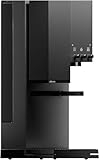
- 1. Three Levels of Automation for Any Skill Level: Choose from Autopilot, Copilot, or Free Solo mode. Autopilot handles the entire brewing process automatically. Copilot provides step-by-step guidance. Free Solo gives you full manual control. This coffee machine works for beginners and professional baristas alike.
- 2. Intuitive User Interface with Tactile Knobs and LED Matrix: The Studio features physical control knobs and a clear LED Matrix display. You can adjust grind size, water temperature, and flow rate in real time without navigating complicated touchscreen menus.
- 3. Full Customization via the xBloom App: Use the xBloom app to create, adjust, save, and share your favorite coffee recipes. Every brewing parameter can be fine-tuned and synced to the machine instantly. Your perfect cup is saved and repeatable.
- 4. Compostable xPod System for Minimal Waste and Maximum Flavor: Each xPod contains carefully selected whole beans and a built-in filter. Tap the recipe card, pour the beans into the grinder, place the pod into the dock, and press start. No capsules, no extra paper filters, no unnecessary waste.
- 5. What Is Included in the Box: The package includes the xBloom Studio, Omni Dripper 2 with Hyperflow Bottom, 10 paper filters, xPod Dock, Magnetic Dosing Cup, default recipe card, quick start guide, cleaning brush, and universal power cord. Everything you need is included.
How it works
- Hot water is heated to a specific temperature, typically within the optimal range for coffee extraction.
- The heated water is then dispersed over the coffee grounds, usually held in a filter.
- Water flows through the grounds, dissolving flavor compounds and oils.
- The brewed coffee then passes through the filter, separating it from the grounds.
- The final liquid coffee collects in a carafe or directly into a mug.
- The design of the showerhead and water dispersion system aims for even saturation of all coffee grounds.
- Some higher-quality machines incorporate features like pre-infusion to enhance the brewing process.
- The brewing time is also a critical factor, allowing for sufficient contact between water and coffee.
- The temperature stability of the water throughout the brewing cycle is maintained by the machine’s heating element and design.
- Finally, the brewed coffee is delivered, ready for consumption.
What affects the result
- Water Quality: Using filtered or bottled water can significantly improve taste compared to tap water.
- Water Temperature: Consistent and correct water temperature (195°F-205°F) is vital for proper extraction.
- Coffee Bean Freshness: Stale beans lose their aromatic compounds and flavor, regardless of the brewer.
- Grind Size Consistency: Uneven grinds lead to uneven extraction, resulting in bitter or weak coffee.
- Brew Ratio: The balance between coffee grounds and water directly impacts the strength and flavor profile.
- Brew Time: The duration the water is in contact with the coffee grounds influences how much flavor is extracted.
- Even Saturation: Ensuring all coffee grounds are equally wet is crucial for a balanced brew.
- Brewer Material: Some materials can impart flavors or affect heat retention. Stainless steel and glass are generally neutral.
- Filter Type: Paper filters can remove more oils (leading to a cleaner cup), while metal filters allow more oils through for a richer body.
- Machine Cleanliness: Buildup of coffee oils and mineral deposits can negatively affect taste.
- Water Flow Rate: How quickly water passes through the grounds can impact extraction.
- Pre-infusion Capability: Some machines allow for a brief wetting of grounds before full brewing, which can improve extraction.
Pros, cons, and when it matters
- Pros of Higher-Quality Coffee Makers:
- More consistent and optimal brewing temperatures.
- Better control over water dispersion for even extraction.
- Durable construction and materials that don’t affect taste.
- Features that can enhance flavor, like pre-infusion.
- Often easier to clean and maintain.
- SCA certification indicates adherence to brewing standards.
- Can lead to a noticeably better-tasting cup of coffee.
- May offer more precise control over brewing parameters.
- Cons of Higher-Quality Coffee Makers:
- Higher initial cost.
- May have more complex features that require a learning curve.
- Can be larger and take up more counter space.
- When Quality Matters Most:
- For coffee enthusiasts who appreciate nuanced flavors and aromas.
- When brewing single-origin or specialty coffee beans.
- If you are sensitive to bitterness or sourness in your coffee.
- When you regularly drink coffee at home and want the best possible experience.
- If you’re looking to replicate the quality of coffee from a good café.
- When you want a reliable and consistent brew every morning.
- If you are brewing for multiple people and want everyone to enjoy a great cup.
- For those who invest in high-quality coffee beans and grinders.
Common misconceptions
- “All coffee makers brew the same.” This is false; significant differences exist in temperature control, water dispersion, and brewing time.
- “Expensive coffee makers are always better.” While quality often correlates with price, some budget options perform well, and some high-priced ones don’t justify their cost.
- “You need a fancy machine to make good coffee.” A good grinder and fresh beans are paramount. A quality brewer enhances what those fundamentals provide.
- “Warming plates don’t affect coffee taste.” Warming plates can scorch coffee over time, leading to a burnt or bitter flavor.
- “The brand name is all that matters.” While some brands have a reputation for quality, it’s the engineering and features of the specific model that are important.
- “Any hot water poured over grounds makes coffee.” The precise temperature and how the water interacts with the grounds are critical for extraction.
- “Coffee makers don’t need cleaning if they’re not visibly dirty.” Coffee oils build up internally and can turn rancid, impacting taste.
- “A fast brew time means a good coffee maker.” Speed isn’t always an indicator of quality; proper extraction takes time.
- “The color of the coffee maker determines its quality.” Aesthetics have no bearing on brewing performance.
- “Once brewed, coffee is coffee, regardless of the machine.” The brewing process itself has a profound impact on the final flavor.
FAQ
Q: Does the quality of my coffee maker truly impact the taste?
A: Yes, absolutely. The quality of your coffee maker significantly influences taste by controlling crucial factors like water temperature, even saturation of grounds, and brewing time. A well-designed machine can extract the full spectrum of flavors from your beans, leading to a more balanced and enjoyable cup.
Q: What specific features in a coffee maker make a difference?
A: Key features include precise temperature control (195°F-205°F), a showerhead that disperses water evenly over the grounds, and a brew basket designed for proper saturation. Some advanced machines also offer pre-infusion cycles for better extraction.
Q: Is it worth spending more on a “SCA Certified” coffee maker?
A: SCA certification means a coffee maker has met rigorous standards for brewing performance set by the Specialty Coffee Association. If you’re serious about taste and consistency, an SCA-certified brewer is a good indicator of quality.
Q: Can a cheap coffee maker produce good coffee?
A: While a cheap coffee maker can produce drinkable coffee, it’s unlikely to achieve the optimal flavor extraction. It may struggle with consistent temperature or even water distribution, leading to a less satisfying cup.
Q: How does water temperature affect my coffee?
A: Water that is too cool will under-extract the coffee, resulting in a weak, sour taste. Water that is too hot can over-extract, leading to a bitter, burnt flavor. The ideal range is 195°F to 205°F.
Q: Does the material of the coffee maker matter?
A: Yes, the material can impact taste and durability. Stainless steel and glass are generally preferred as they are non-reactive and don’t impart flavors. Some plastics can leach chemicals or retain odors.
Q: How often should I clean my coffee maker?
A: You should rinse and wipe down your coffee maker daily. A deeper descaling and cleaning process, following the manufacturer’s instructions, should be done regularly, typically every 1-3 months depending on your water hardness.
Q: What is the difference between a thermal carafe and a glass carafe with a warming plate?
A: A thermal carafe keeps coffee hot using insulation, preserving its flavor. A glass carafe with a warming plate heats the coffee continuously, which can degrade its taste and make it taste burnt over time.
What this page does NOT cover (and where to go next)
- Specific brand recommendations or comparisons. (Next: Research individual brand reviews for models that fit your needs.)
- Detailed guides on descaling and cleaning specific models. (Next: Consult your coffee maker’s user manual for detailed cleaning instructions.)
- The science behind specific chemical compounds in coffee. (Next: Explore resources on coffee chemistry and flavor profiles.)
- Advanced brewing techniques like pour-over or espresso. (Next: Look for guides dedicated to manual brewing methods or espresso machine operation.)