
Identifying the Most Reliable Coffee Makers on the Market
Quick Answer
- Reliability often comes down to build quality and simplicity.
- Look for brands with a solid reputation for durability and customer support.
- Drip coffee makers, especially those with fewer moving parts, tend to be more reliable.
- Manual methods like pour-over or French press are inherently reliable due to their simplicity.
- Consider warranty periods as an indicator of manufacturer confidence.
- Read reviews focusing on long-term performance, not just initial impressions.
Key Terms and Definitions
- Brewing Method: The technique used to extract coffee flavor from grounds (e.g., drip, pour-over, espresso).
- Durability: The ability of a coffee maker to withstand wear, pressure, or damage over time.
- Build Quality: The standard of materials and construction used in manufacturing a coffee maker.
- User Interface: The controls and display a coffee maker uses to interact with the user. Simpler is often more reliable.
- Heating Element: The component that heats the water for brewing. Its longevity is key.
- Water Reservoir: The part that holds water. Ease of cleaning and material matter for long-term function.
- Grind Size: The coarseness or fineness of coffee grounds, crucial for proper extraction.
- Coffee-to-Water Ratio: The proportion of coffee grounds to water used in brewing.
- Carafe: The pot that collects brewed coffee. Material (glass vs. thermal) affects heat retention and durability.
- Maintenance: Regular cleaning and descaling to keep a coffee maker functioning optimally.
How it Works: The Reliable Coffee Maker
- Water is heated to an optimal brewing temperature, usually between 195°F and 205°F.
- Heated water is then dispersed over coffee grounds held in a filter.
- Gravity pulls the water through the grounds, extracting flavor compounds.
- The brewed coffee drips into a carafe or is collected for immediate consumption.
- Simpler designs often have fewer points of failure.
- Thermal carafes maintain heat without a warming plate, preventing burnt coffee and reducing electrical wear.
- Basic drip machines rely on gravity and a simple heating element.
- Manual methods bypass electronics entirely, relying on user technique.
- Consistent temperature control is a hallmark of reliable brewing.
- Clean water and regular descaling prevent mineral buildup that can clog systems.
- Good build materials mean components are less likely to crack or degrade.
- A straightforward design is easier to troubleshoot if issues arise.
What Affects the Result: Brewing a Better Cup
- Water Quality: Filtered water prevents mineral buildup and improves taste. Tap water can be harsh.
- Coffee Bean Freshness: Freshly roasted beans make a world of difference. Old beans taste flat.
- Grind Consistency: A uniform grind ensures even extraction. Too fine clogs, too coarse is weak.
- Coffee-to-Water Ratio: The “golden ratio” is about 1:15 to 1:18 (coffee to water by weight). Experiment here.
- Water Temperature: Too cool under-extracts, too hot burns the coffee. Aim for 195-205°F.
- Brewing Time: Extraction time affects flavor. Too short is sour, too long is bitter.
- Brewer Type: Drip, pour-over, French press, espresso – each has its own characteristics.
- Filter Type: Paper filters remove oils and sediment; metal filters allow more oils through.
- Pre-heating: Warming your mug and brewer helps maintain brewing temperature.
- Cleanliness: A dirty machine imparts bad flavors and can impede function. Clean it!
- Grinder Quality: A good grinder is arguably more important than the brewer itself for consistency.
- Aeration: Allowing grounds to bloom (degas) for 30 seconds before full saturation can improve flavor.
Pros, Cons, and When It Matters
- Simplicity: Manual brewers (French press, pour-over) have few parts, thus fewer things to break. Great for campers.
- Durability: High-quality materials like stainless steel or borosilicate glass last longer.
- Cost: Basic, reliable drip machines are often budget-friendly.
- Ease of Use: Some machines are plug-and-play, others require more technique.
- Consistency: Advanced machines offer precise temperature and timing control for repeatable results.
- Maintenance: Machines with complex parts or hidden nooks can be harder to clean.
- Features: Extra features like timers or built-in grinders add complexity and potential failure points.
- Repairability: Some brands are easier to get parts for or repair than others.
- Taste Profile: Different brewers highlight different aspects of the coffee bean.
- Speed: Espresso machines are fast, while some pour-overs take a few minutes.
- Portability: Small, manual brewers are excellent for travel or camping.
- Counter Space: Some machines are sleek and compact, others are behemoths.
Common Misconceptions
- “Expensive means reliable”: Not always. Fancy features can fail. Simple, well-built machines can be cheaper and last longer.
- “All drip machines are the same”: Big nope. Build quality, heating elements, and showerhead design vary wildly.
- “You need a super-automatic espresso machine for good coffee”: Absolutely not. Manual espresso, or even a solid drip, can be fantastic.
- “Cleaning is optional”: False. Regular cleaning is vital for both taste and longevity. Descale often!
- “Warming plates are fine”: They cook your coffee. Thermal carafes are way better for taste and less wear on the machine.
- “You can use any coffee in any machine”: Wrong. Grind size and brewer type are a package deal.
- “More features equal better coffee”: Usually means more things to go wrong. Focus on the core brewing.
- “Once it breaks, it’s junk”: Sometimes simple fixes are possible. Check the manual or look for basic troubleshooting.
- “Plastic parts are bad”: Not necessarily. BPA-free, high-quality plastics can be durable. It’s the quality that matters.
- “You need a special filter for special coffee”: Often, standard filters work fine. Don’t overcomplicate it.
FAQ
What makes a coffee maker “reliable”?
Reliability means it works consistently over a long period without breaking down. This comes from good build quality, durable components, and often, a simpler design.
Are automatic drip coffee makers reliable?
Many are, especially basic models from reputable brands. Look for solid construction and a good warranty. Avoid overly complex machines with tons of buttons.
For a reliable option, consider a basic drip coffee maker from a reputable brand. These machines often offer solid construction and good warranties, making them a dependable choice for daily brewing.
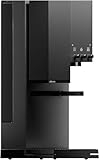
- 1. Three Levels of Automation for Any Skill Level: Choose from Autopilot, Copilot, or Free Solo mode. Autopilot handles the entire brewing process automatically. Copilot provides step-by-step guidance. Free Solo gives you full manual control. This coffee machine works for beginners and professional baristas alike.
- 2. Intuitive User Interface with Tactile Knobs and LED Matrix: The Studio features physical control knobs and a clear LED Matrix display. You can adjust grind size, water temperature, and flow rate in real time without navigating complicated touchscreen menus.
- 3. Full Customization via the xBloom App: Use the xBloom app to create, adjust, save, and share your favorite coffee recipes. Every brewing parameter can be fine-tuned and synced to the machine instantly. Your perfect cup is saved and repeatable.
- 4. Compostable xPod System for Minimal Waste and Maximum Flavor: Each xPod contains carefully selected whole beans and a built-in filter. Tap the recipe card, pour the beans into the grinder, place the pod into the dock, and press start. No capsules, no extra paper filters, no unnecessary waste.
- 5. What Is Included in the Box: The package includes the xBloom Studio, Omni Dripper 2 with Hyperflow Bottom, 10 paper filters, xPod Dock, Magnetic Dosing Cup, default recipe card, quick start guide, cleaning brush, universal power cord, and a 2-Year xbloom brand warranty. Everything you need is included—along with long-term peace of mind.
How important is the material of a coffee maker?
Very. Stainless steel and glass are generally more durable than cheap plastic. For carafes, thermal is usually more reliable long-term than glass with a warming plate.
Should I worry about the warranty?
A longer warranty often indicates the manufacturer’s confidence in their product’s durability. It’s a good sign to look for when assessing reliability.
What’s the deal with thermal carafes vs. glass?
Thermal carafes keep coffee hot for hours without a heating element, which prevents “cooking” the coffee and reduces wear on the machine. Glass carafes are fine but require a warming plate.
Is a French press a reliable coffee maker?
Extremely. It has virtually no moving parts or electronics. Its lifespan depends mostly on how well you care for the glass carafe and plunger.
If you’re looking for extreme reliability, a pour over coffee maker is an excellent choice. With virtually no moving parts or electronics, its lifespan largely depends on how well you maintain the components.

- Pour Over Coffee: Manual Pour Over Coffee Maker allows you to brew an excellent cup of Coffee in minutes
- Stainless steel: Includes a new and improved permanent, stainless steel mesh filter that helps extract your coffee's aromatic oils and subtle flavors instead of being absorbed by a paper filter
- Coffee Carafe: Made of durable, heat-resistant borosilicate glass with Cork Band detailing that is both functional and elegant; single wall
- Quick and Easy: Simply add coarse ground Coffee to filter, pour a small amount of water in a circular motion over ground Coffee until soaked then add the remaining water and let drip
- Servings: Pour Over Coffee Maker makes 8 cups of Coffee, 4 oz each; dishwasher safe
How often should I descale my coffee maker?
This depends on your water hardness and how often you brew. A good rule of thumb is every 1-3 months. Check your manual for specific recommendations.
Does brand name matter for reliability?
Often, yes. Established brands with a history of making quality coffee equipment tend to be more reliable. Do your research on specific models.
What This Page Does NOT Cover (and Where to Go Next)
- Specific brand recommendations and model reviews. (Look for independent review sites.)
- Detailed troubleshooting guides for every possible malfunction. (Consult your user manual first.)
- The science behind coffee bean roasting and origins. (Explore coffee enthusiast forums.)
- Advanced espresso machine maintenance and repair. (Seek out specialty espresso technicians.)
- Comparisons of every single brewing method available. (Try different methods at local cafes.)