
Does Coffee Consumption Lead To Weight Gain?
Quick answer
- Coffee itself is virtually calorie-free.
- Additives like sugar and cream are the main culprits for weight gain.
- Caffeine can slightly boost metabolism, potentially aiding weight management.
- Timing and quantity matter; excessive consumption can disrupt sleep, affecting hormones related to appetite.
- Individual responses to caffeine vary significantly.
- Focus on black coffee or minimal additions for calorie control.
Key terms and definitions
- Calories: Units of energy in food and drinks that your body uses. Too many calories lead to weight gain.
- Metabolism: The process your body uses to convert food and drinks into energy.
- Caffeine: A natural stimulant found in coffee beans, tea leaves, and cacao pods.
- Appetite Hormones: Hormones like ghrelin (hunger hormone) and leptin (satiety hormone) that regulate your desire to eat.
- Insulin Resistance: A condition where your body’s cells don’t respond well to insulin, affecting blood sugar and potentially leading to weight gain.
- Cortisol: A stress hormone that can influence appetite and fat storage, especially around the abdomen.
- Empty Calories: Calories from foods or drinks that provide little to no nutritional value.
- Thermogenesis: The process by which your body burns calories to produce heat.
- Hydration: Maintaining adequate fluid levels in your body. Good hydration is important for overall health and can help manage appetite.
- Blood Sugar Levels: The amount of sugar (glucose) circulating in your bloodstream. Fluctuations can impact energy and cravings.
How it works
- Coffee beans contain caffeine, a stimulant.
- When you drink coffee, caffeine enters your bloodstream.
- Caffeine blocks adenosine, a neurotransmitter that makes you feel tired. This leads to increased alertness.
- It also stimulates the nervous system, signaling fat cells to break down fat.
- This released fat then enters the bloodstream as free fatty acids, available as fuel.
- Caffeine can also increase adrenaline levels.
- Adrenaline prepares your body for intense physical exertion.
- This can lead to a temporary increase in your metabolic rate.
- Your body may burn slightly more calories during this period.
- However, this effect is often modest and temporary.
What affects the result
- What you add to your coffee: Sugar, syrups, cream, whipped cream, and whole milk all add significant calories and fat. This is the biggest factor.
- How much coffee you drink: Consuming multiple cups, especially with additives, can easily rack up calories.
- Your individual metabolism: Some people naturally burn calories faster than others.
- Your sensitivity to caffeine: Some individuals experience more significant metabolic boosts.
- Your sleep patterns: Poor sleep, which can be exacerbated by late-day coffee, disrupts appetite hormones.
- Your stress levels: High cortisol can encourage fat storage, and caffeine can sometimes increase cortisol.
- Your diet overall: Coffee is just one part of your diet. Overall calorie intake is key.
- Your activity level: Burning more calories through exercise offsets calorie intake.
- The type of coffee: Espresso has fewer calories than a large latte.
- The brewing method: Some methods might extract more compounds, but the calorie impact is usually minimal unless you add things.
- The freshness of the beans: While affecting taste, this has no direct impact on weight gain.
- Your genetics: Predispositions can influence how your body processes caffeine and stores fat.
Pros, cons, and when it matters
- Pro: Calorie-free base: Black coffee has almost zero calories. It’s a great way to get a beverage without adding significant energy.
- Con: Additives are calorie bombs: Sugary syrups, heavy cream, and sweetened milk can turn a simple cup into a dessert, leading to weight gain. This is where the “too much coffee makes you fat” idea really comes from.
- Pro: Potential metabolism boost: Caffeine can slightly increase your metabolic rate and fat burning. This might help a little with weight management over time.
- Con: Temporary effect: The metabolic boost from caffeine is usually short-lived. Don’t rely on it as your primary weight loss strategy.
- Pro: Appetite suppression (sometimes): For some, coffee can temporarily curb hunger, potentially leading to lower overall calorie intake.
- Con: Sleep disruption: Drinking coffee too late in the day can interfere with sleep quality. Poor sleep is linked to increased appetite and weight gain.
- Pro: Improved focus and energy: This can help you be more productive, perhaps leading to more activity.
- Con: Jitters and anxiety: For sensitive individuals, too much caffeine can cause unpleasant side effects that might indirectly impact eating habits.
- Pro: Hydration (mostly): Coffee contributes to your daily fluid intake, which is important for health and can help manage appetite.
- Con: Dehydration (rarely): While often overstated, excessive caffeine can have a mild diuretic effect. Staying hydrated is always key.
- Pro: Antioxidants: Coffee contains beneficial compounds that are good for your health.
- Con: Blood sugar spikes (if sweetened): Sugary coffee drinks can cause rapid increases in blood sugar, leading to energy crashes and cravings. This matters if you’re managing diabetes or pre-diabetes.
Common misconceptions
- Myth: Coffee itself causes weight gain. Reality: Black coffee is virtually calorie-free. The issue is what you add to it.
- Myth: Drinking coffee is a magic weight loss solution. Reality: While it might offer a small, temporary metabolic boost, it’s not a substitute for diet and exercise.
- Myth: All coffee drinkers gain weight. Reality: Those who drink black coffee or coffee with minimal, low-calorie additions are unlikely to gain weight from the coffee itself.
- Myth: Decaf coffee has no effect on weight. Reality: Decaf still contains trace amounts of caffeine and, more importantly, the calories come from additions, not the coffee.
- Myth: You need to drink a lot of coffee for any benefit. Reality: Even moderate amounts can have a slight metabolic effect, but excessive amounts can cause negative side effects.
- Myth: Coffee makes you crave unhealthy foods. Reality: While caffeine can affect hormones, it doesn’t directly cause cravings for everyone. It’s more about overall diet and habit.
- Myth: Cold brew coffee is inherently better for weight loss. Reality: The brewing method doesn’t significantly impact calorie content. Additives are still the main concern.
- Myth: Coffee burns fat magically. Reality: It can mobilize fat stores to be used for energy, but you still need to burn those calories through activity.
- Myth: Coffee dehydrates you significantly. Reality: The diuretic effect is minimal for regular coffee drinkers and is usually offset by the fluid consumed.
- Myth: Adding a splash of milk is fine. Reality: “A splash” can add up. Be mindful of the type and amount of milk or creamer you use.
FAQ
Q: Is it true that too much coffee makes you fat?
A: Not directly. Black coffee has almost no calories. The weight gain comes from the sugar, cream, and syrups you add to it.
Q: Can caffeine help me lose weight?
A: Caffeine can slightly boost your metabolism and increase fat burning temporarily. However, the effect is modest and won’t replace a healthy diet and exercise.
Q: What’s the best way to drink coffee if I’m watching my weight?
A: Stick to black coffee. If you need a little something, use a small amount of skim milk or unsweetened almond milk. Avoid sugary syrups and whipped cream.
Enjoy your healthy coffee choices in a stylish new coffee mug. It’s a great way to start your day right!
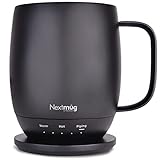
- ALWAYS THE PERFECT TEMPERATURE – The Nextmug will keep your hot coffee, tea or preferred beverage at the perfect temperature wherever you are. Simply select Warm (130° F), Hot (140° F), or Piping (150° F) and enjoy for hours.
- SMART MUG TECHNOLOGY – Long-lasting battery maintains your ideal temperature. LED lights display battery life & real-time temperature. Includes Spill-Resistant Lid & Charging Coaster.
- SUPER SIMPLE – On-board Control Button easily turns mug On/Off & sets the temperature. Takes only seconds to set the mug to your perfect temperature. No app required - no passwords, re-booting or security concerns.
- THE PERFECT GIFT - Give the gift for him and the gift for her that is certain to delight. Perfect for everyone on your list…moms, dads, grandmas, grandpas, teachers, birthdays, graduations and more!
- NEXTMUG CARES - Nextmug cares about our communities and our customers. We care by donating Nextmugs to teachers and first responders . We’re also committed to sustainable packaging by using 100% recyclable materials with all our products. Our dedicated customer service agents are based in the USA and always ready to help.
Q: How much coffee is too much for weight gain?
A: It’s less about the coffee itself and more about the total calories from your coffee drinks. A few lattes with whole milk and sugar daily can easily add hundreds of calories.
Q: Does decaf coffee affect weight?
A: Decaf coffee has virtually no calories, just like regular black coffee. The calorie content depends entirely on what you add to it.
Q: Can coffee interfere with my hormones and cause weight gain?
A: Excessive caffeine can sometimes affect cortisol levels (a stress hormone), which can influence appetite and fat storage. It can also disrupt sleep, which is crucial for hormone balance.
Q: Is cold brew coffee better for weight management than hot coffee?
A: The brewing method doesn’t inherently make one better for weight. Both are low-calorie if consumed black. Additives are the calorie source.
Q: If I drink coffee, do I need to exercise more?
A: If you’re concerned about weight, yes. While caffeine might slightly increase calorie burn, regular exercise is essential for overall health and effective weight management.
Q: Does coffee increase my appetite?
A: For some people, caffeine can temporarily suppress appetite. For others, the subsequent energy crash after a caffeine high might lead to cravings.
Q: Are artificial sweeteners in coffee bad for weight?
A: While they don’t add calories, the long-term effects of artificial sweeteners on appetite and metabolism are still debated among researchers. Many prefer to avoid them.
What this page does NOT cover (and where to go next)
- Specific calorie counts for various coffee drinks. (Look for nutritional information from coffee shops or online databases.)
- Detailed advice on managing stress-related eating. (Explore resources on mindfulness and stress reduction techniques.)
- The impact of coffee on athletic performance. (Consult sports nutrition guides.)
- Specific recommendations for managing diabetes or insulin resistance. (Talk to a healthcare professional or registered dietitian.)
- The science behind caffeine’s long-term effects on metabolism. (Read scientific journals or review articles on the topic.)
- Recipes for low-calorie coffee beverages. (Search for healthy coffee recipes online.)