
What Is Starbucks’ Strongest Coffee Offering?
Quick answer
- Starbucks’ strongest coffee is generally their Blonde Roast coffees.
- This isn’t about caffeine content per se, but perceived “strength” in flavor.
- For sheer caffeine, darker roasts can have more, but it’s complicated.
- The brewing method also plays a big role.
- Always check the specific drink and roast when ordering.
- Don’t be afraid to ask your barista. They know their stuff.
Key terms and definitions
- Roast Level: How long and at what temperature coffee beans are roasted. Light, medium, and dark are the main categories.
- Caffeine: The natural stimulant found in coffee beans.
- Flavor Profile: The distinct tastes and aromas of a coffee.
- Acidity: A bright, tangy sensation in coffee, often described as fruity or wine-like.
- Body: The perceived weight or mouthfeel of coffee.
- Blonde Roast: Starbucks’ term for a lighter roast. It’s often brighter and more acidic.
- Dark Roast: Starbucks’ term for a darker roast. It’s typically bolder and has a smoky or chocolatey flavor.
- Espresso: Highly concentrated coffee brewed by forcing hot water through finely-ground beans.
- Drip Coffee: Coffee brewed by letting hot water pass through grounds in a filter.
- Pour-Over: A manual drip brewing method where hot water is poured slowly over grounds.
How it works
- Coffee beans are roasted to develop their flavor.
- Lighter roasts (like Starbucks’ Blonde) retain more of the bean’s original characteristics.
- Darker roasts undergo more chemical changes during roasting.
- Caffeine content is present in the bean before roasting.
- Roasting can slightly alter caffeine levels, but not always in the way you’d expect.
- Darker roasts can lose a tiny bit more caffeine due to longer heat exposure.
- However, darker roasts are often brewed stronger (more grounds per water) in some contexts.
- Espresso uses a lot of grounds in a small amount of water, concentrating flavor and caffeine.
- Drip coffee uses more water, diluting the caffeine per ounce but potentially having more overall per serving.
What affects the result
- Roast Level: Blonde roasts often taste “stronger” due to their bright, sharp flavors. Darker roasts have a bolder, more intense flavor.
- Bean Origin: Different beans have naturally different flavor profiles and caffeine levels.
- Brewing Method: Espresso is concentrated. Drip coffee is less so. Cold brew is often very concentrated.
- Water Temperature: Too hot or too cool water can impact extraction and flavor.
- Grind Size: Finer grinds extract more flavor and caffeine faster. Coarser grinds extract slower.
- Coffee-to-Water Ratio: More coffee grounds for the same amount of water equals a stronger brew. This is key for Starbucks drinks.
- Brew Time: How long the water is in contact with the grounds. Longer contact can mean more extraction.
- Bean Freshness: Freshly roasted and ground beans yield the best flavor. Stale beans taste weak.
- Type of Bean: Robusta beans generally have more caffeine than Arabica beans. Starbucks primarily uses Arabica.
- Added Ingredients: Milk, sugar, and syrups can mask or alter the perceived “strength” of a coffee.
- Serving Size: A larger cup of coffee will have more total caffeine, even if it’s not stronger per ounce.
- Barista Skill: Proper tamping for espresso or precise pouring for pour-over makes a difference.
Pros, cons, and when it matters
- Blonde Roast:
- Pro: Brighter, more vibrant flavor. Often perceived as “stronger” in taste. Good for those who like a zesty cup.
- Con: Can be more acidic, which some people don’t like. Might not have the deepest, richest flavor notes.
- Matters: If you want a lively coffee experience or a lighter flavor profile that still has a kick.
- Dark Roast:
- Pro: Bolder, deeper, often richer flavors (chocolate, smoky). Can feel more “hearty.”
- Con: Flavor can sometimes be bitter or burnt if roasted too dark. Less of the bean’s original character shows.
- Matters: If you crave that classic, robust coffee taste or prefer less acidity.
- Espresso-based drinks:
- Pro: Very concentrated flavor and caffeine in a small volume. Great for a quick, intense boost.
- Con: Can be too intense for some. Expensive to make at home.
- Matters: When you need a powerful jolt and enjoy the intense coffee flavor.
- Drip Coffee:
- Pro: Classic, easy to make. Can have good flavor depending on the beans and roast.
- Con: Can be weaker if not brewed properly or with the right ratio.
- Matters: For everyday drinking, a casual cup, or when you want a larger volume of coffee.
- Cold Brew:
- Pro: Smooth, less acidic, often very high in caffeine. Great for iced coffee lovers.
- Con: Takes a long time to brew (12-24 hours). Can be too strong if not diluted.
- Matters: If you prefer a smooth, potent iced coffee and have patience.
- Caffeine Content:
- Pro: The desired effect for many coffee drinkers.
- Con: Too much can lead to jitters, anxiety, or sleep issues.
- Matters: If you’re sensitive to caffeine or need a specific energy level.
Common misconceptions
- Darker roasts always have more caffeine. Nope. It’s more about the bean and brewing method. Lighter roasts often retain slightly more caffeine.
- “Strong” just means more caffeine. Not always. It often refers to flavor intensity. Blonde roasts taste strong but might not have the most caffeine.
- Espresso is always the strongest coffee. Per ounce, yes. But a large drip coffee can have more total caffeine than a single shot of espresso.
- Cold brew is always weaker. False. Cold brew is typically concentrated and can be very high in caffeine.
- Stale coffee is fine. It tastes bad and loses its punch. Use fresh beans for the best results.
- Any coffee maker can make “strong” coffee. The brewer matters, but so do the beans, grind, and ratio. A good machine helps, but it’s not the whole story.
- You can “fix” weak coffee by adding more grounds later. It’s better to get it right the first time. Re-brewing or adding grounds to brewed coffee doesn’t work well.
- All Starbucks coffees are the same strength. They have different roasts and brewing methods. A Pike Place is different from a Blonde Espresso.
FAQ
Q: What does Starbucks mean by “Blonde Roast”?
A: It means their lightest roast level. These beans are roasted for a shorter time, resulting in a brighter, more vibrant flavor profile. They often taste “stronger” in terms of sharpness and acidity.
Q: Does Blonde Roast have more caffeine than Dark Roast at Starbucks?
A: Generally, yes, Blonde Roast can have slightly more caffeine by weight. This is because lighter roasting preserves more of the bean’s original caffeine content. However, the difference isn’t massive, and brewing methods can impact the final cup more.
Q: Is an espresso shot stronger than a grande drip coffee?
A: An espresso shot is much stronger per ounce due to its concentrated nature. However, a grande (16 oz) drip coffee will likely have more total caffeine than a single or even double espresso shot.
Q: How can I make my coffee at home stronger?
A: Use a finer grind, increase your coffee-to-water ratio (more grounds), use water just off the boil (around 200°F), and ensure your beans are fresh. Experiment to find your sweet spot.
For the best results at home, consider investing in a quality coffee bean grinder. Freshly ground beans make a significant difference in flavor and strength.
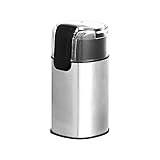
- Electric coffee bean grinder appliance for home use
- Can grind 30 grams/1 ounce of beans for drip coffee brewing in 10 seconds
- Grind coffee beans, herbs, spices, grains, nuts, and more
- Clear safety lid allows you to easily see the results in progress
- Heavy-duty stainless steel grind blade
Q: Is Starbucks’ Veranda Blend a strong coffee?
A: Veranda Blend is a Blonde Roast, so it’s designed to be bright and lively. It’s considered “strong” in flavor profile, but not necessarily the highest in caffeine compared to all other options.
Q: What about Starbucks Reserve coffees? Are they stronger?
A: Starbucks Reserve coffees often feature unique beans and are sometimes brewed using more involved methods like pour-over. This can result in a more intense and nuanced flavor, which might be perceived as “strong.” Caffeine content varies by bean and brew.
What this page does NOT cover (and where to go next)
- Specific caffeine content numbers for every single Starbucks drink (these can vary).
- Detailed comparisons of every single Starbucks roast profile.
- How to modify Starbucks drinks for maximum caffeine (beyond choosing a Blonde Roast or espresso base).
- Advanced home brewing techniques for achieving specific strengths.
- The science of bean varietals and their inherent caffeine levels.