
Creative Uses for Whole Coffee Beans
Quick answer
- Whole coffee beans are more than just for brewing.
- They make a killer natural air freshener.
- Grind ’em up for a gritty, exfoliating scrub.
- Use them to add depth to savory dishes, like chili or stews.
- They can even be a cool, unique decorative element.
- Don’t forget, they’re still primo for grinding fresh coffee!
Key terms and definitions
- Whole Bean: Coffee beans that haven’t been ground yet. This keeps them fresher longer.
- Roast Level: How long and at what temperature the beans were roasted. Affects flavor, from light to dark.
- Aroma: The smell of the coffee. Whole beans retain their aroma best.
- Grinding: Breaking down the beans into smaller particles for brewing.
- Infusion: Steeping coffee beans in a liquid to extract flavor.
- Exfoliant: A substance used to remove dead skin cells.
- Garnish: A decorative or flavorful addition to food.
- Potpourri: A mixture of dried, fragrant plant material used to scent a room.
- Flavor Enhancer: An ingredient that boosts or deepens the taste of food.
- Artisan: Relating to or engaging in the production of high-quality, often handmade goods.
How it works
- Whole beans hold onto their volatile aromatic compounds. This means they smell amazing and taste best when ground fresh.
- The oils and compounds in coffee beans can be extracted through heat and water, which is how we brew.
- But those same compounds can also be released through friction (grinding) or by steeping in other liquids.
- The natural oils can moisturize and the grounds can provide texture.
- The strong scent of roasted beans can mask other odors or add a pleasant fragrance.
- When added to food, the roasted notes can add a smoky, bitter, or complex layer to the flavor profile.
- Think of it like using herbs or spices – you’re leveraging the inherent characteristics of the bean.
- Even when not brewed, the bean’s structure and composition offer unique properties.
- It’s all about tapping into what makes coffee, well, coffee, beyond the morning cup.
What affects the result
- Roast Level: Darker roasts have a bolder, more intense flavor and aroma, good for savory dishes or strong scents. Lighter roasts are more acidic and floral, better for delicate applications.
- Bean Origin: Different regions produce beans with distinct flavor profiles. Ethiopian beans might offer fruity notes, while Sumatran beans can be earthy.
- Freshness: Fresher beans have more potent aromas and flavors. Stale beans won’t perform as well in any creative use.
- Grind Size: For scrubs, a coarser grind gives more grit. For infusions in food, you might want a finer grind for better flavor extraction.
- Storage Conditions: How you store whole beans matters. Keep them in an airtight container away from light, heat, and moisture to preserve their qualities.
- Infusion Time: For cooking, how long you steep the beans will determine how much flavor they impart. Too short, and it’s barely there. Too long, and it might become bitter.
- Particle Size (for scrubs): If you’re grinding them yourself for a scrub, the consistency is key. You don’t want it too sharp.
- Heat Application: When cooking, the heat will further develop the coffee’s flavors.
- Other Ingredients: What you combine the beans with will influence the final outcome. Think about balancing bitterness or enhancing aroma.
- Quantity Used: A little goes a long way, especially when adding to food. Too much can overpower other flavors.
- Water Quality (for infusions): If you’re making a coffee-infused liquid for cooking, the water you use matters, just like in brewing.
- Surface Area: More surface area (i.e., ground beans) means faster and more intense flavor or scent release.
Pros, cons, and when it matters
- Pro: Natural Air Freshener: Whole beans in a bowl or sachet offer a pleasant, natural scent. Great for small spaces like closets or cars.
- Con: Scent Fades: The aroma will eventually dissipate. You’ll need to refresh or replace them.
- Pro: Skin Exfoliation: Ground coffee beans make a fantastic, gritty body scrub. Rich in antioxidants too.
- Con: Messy: Grinding beans for scrubs can be messy. And using them can leave a bit of residue.
- Pro: Savory Flavor Booster: Adds incredible depth to chili, rubs, marinades, and stews. A secret weapon for BBQ.
- Con: Can Be Bitter: Overdoing it in cooking can make dishes taste too bitter or acrid. Requires careful measurement.
- Pro: Decorative Element: Displayed in jars or bowls, they add a rustic, earthy vibe. Looks good on a kitchen counter.
- Con: Attracts Pests: If left out too long or not stored properly, they might attract pantry moths or other little critters. Keep ’em sealed.
- Pro: Unique Ingredient: Offers a gourmet touch to home cooking. Impress your friends.
- Con: Requires Grinding: For most uses beyond decoration, you’ll need to grind them. That means a grinder.
- Pro: Utilizes Leftovers: If you have beans you don’t love for drinking, this is a great way to use them up.
- Con: Not for Everyone: Some people are sensitive to the smell or taste of coffee, even in these applications.
Ground coffee beans make a fantastic, gritty body scrub. Rich in antioxidants too, it’s a great natural way to exfoliate.
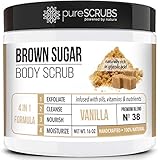
- GET ULTRA SMOOTH SKIN FAST - THIS WORKS! Our unique “4 in 1 Formula” does everything a body scrub should do and more. Pure brown sugar crystals infused with essential oils, nutrients and skin softeners helps to smooth away rough, bumpy, and uneven textures to instantly reveal your true soft, healthy and radiant skin. You will love the vanilla aroma!
- WARNING - BE PREPARED FOR COMPLIMENTS There is always that one person in your group of friends who seems to have the best skin that looks silky, soft and radiant. This person gets non-stop compliments, and everyone wonders how they do it. Now it’s YOUR TURN to be that person.
- INCLUDES THREE (3) BONUS ACCESSORIES - (1) A cute wooden spoon to help you stir and scoop out the scrub. (2) A round, natural exfoliating loofah pad to help buff away dry dead skin. (3) An exfoliating oatmeal bar soap (1oz size) made with ground oats, shea butter and honey. It’s like a full skin softening and exfoliation kit that also makes a great gift!
- EACH JAR IS HANDCRAFTED LIKE A GIFT From sourcing, blending, & packaging we have a hands-on approach. Nothing is mass produced and you won’t find anything artificial in our scrubs. We promise your skin will love our scrubs.
- READ THIS BEFORE BUYING SCRUBS ONLINE Ask yourself, do you want to buy body scrubs from some big cosmetics company that makes thousands of jars every minute in some factory overseas with artificial ingredients or from our boutique USA company that specializes in making natural, handcrafted body scrubs? Not only that, we believe in value and provide a larger amount (16oz) along with the three bonus items in every package.
Common misconceptions
- Myth: Coffee beans are only for drinking. Nope! They’re surprisingly versatile.
- Myth: Stale beans are useless. Not at all. They’re still great for scrubs or cooking where extreme freshness isn’t paramount.
- Myth: You need expensive beans for creative uses. Any decent whole bean will work. Just avoid anything truly awful.
- Myth: Coffee grounds are bad for the environment. Used grounds can be composted, but whole beans used creatively are often repurposed.
- Myth: Adding coffee to savory dishes always makes them taste like coffee. Not true. It adds complexity, a subtle richness, not a direct coffee flavor, unless you use a ton.
- Myth: Coffee beans can be used as a direct substitute for actual spices. They complement, they don’t replace. Think of them as a flavor enhancer.
- Myth: The scent of coffee beans is overpowering. It can be strong, but it’s usually pleasant and dissipates nicely, unlike some artificial air fresheners.
- Myth: You have to grind them super fine for everything. Nope. Scrub texture often benefits from a coarser grind.
- Myth: Coffee beans will go bad quickly if not brewed. Whole beans are pretty stable. They’ll last a good while if stored right.
- Myth: Using whole beans for scent is wasteful. It’s a fantastic way to get a natural fragrance without chemicals.
FAQ
Q: How do I make a coffee scrub with whole beans?
A: Grind your beans to a medium-coarse consistency – you want some grit. Mix them with a carrier oil like coconut or olive oil and a little sugar or salt if you like. Gently massage onto damp skin, then rinse.
Q: Can I add coffee beans directly to my chili?
A: You can, but it’s better to grind them first. Add a tablespoon or two of finely ground beans to your chili about halfway through cooking. Taste and adjust.
Q: How long will whole coffee beans last as an air freshener?
A: They’ll keep their scent for a few weeks to a couple of months, depending on the roast and how they’re stored. Refreshing them by giving them a gentle stir can help.
Q: What kind of coffee beans are best for cooking?
A: Medium to dark roasts generally work best for adding depth to savory dishes. They have a bolder, less acidic profile that complements richer flavors.
Q: Will coffee beans attract bugs to my kitchen?
A: If left out in the open for extended periods, especially in warm, humid conditions, they might. It’s always best to store them in airtight containers when not in active use.
Q: Can I use brewed coffee grounds for these uses instead of whole beans?
A: You can use used grounds for scrubs, but their flavor and aroma will be significantly diminished. Whole beans offer a much more potent experience for scent and cooking.
Q: What’s the best way to store whole beans for non-brewing uses?
A: Just like for brewing! Keep them in an airtight container, away from light, heat, and moisture. A cool, dark pantry is ideal.
Q: Can I use coffee beans in desserts?
A: Absolutely. You can infuse milk or cream with whole beans for coffee-flavored custards or ice cream, or use finely ground beans in baked goods for a mocha flavor.
What this page does NOT cover (and where to go next)
- Detailed recipes for specific dishes or products. Look for “coffee-infused recipes” or “DIY coffee scrub recipes.”
- The science behind coffee bean chemical compounds. Explore coffee science or food chemistry resources.
- Commercial coffee bean processing techniques. Check out resources on coffee roasting and production.
- Specific brand recommendations for whole beans. Focus on general guides to coffee bean selection.
- Advanced brewing methods using whole beans. Dive into guides on pour-over, espresso, or cold brew techniques.