
Crafting Refreshing Iced Coffee
Quick answer
- Start with strong, cold-brew coffee or espresso.
- Brew coffee double-strength if you plan to dilute it with ice.
- Use filtered water for the cleanest flavor.
- Chill your coffee completely before adding ice.
- Taste and adjust sweetness or creaminess after chilling.
- Don’t let ice melt into hot coffee; it dilutes flavor.
Who this is for
- Anyone who wants a delicious, refreshing coffee drink at home.
- Coffee lovers tired of watery, bland iced coffee.
- Folks looking to save money by making their own iced coffee.
What to check first
Brewer type and filter type
Your setup matters. A drip machine? French press? Pour-over? Each has its own way. The filter, too – paper, metal, cloth – can affect body and clarity. For iced coffee, a cleaner cup is often better. Think about what you’re using.
Water quality and temperature
Tap water can taste… well, like tap water. Filtered water is a game-changer for coffee flavor. And for iced coffee, starting with cold water or brewing hot coffee and chilling it fast are key. Hot water melts ice too quick.
Grind size and coffee freshness
Fresh beans make a difference. Grind right before you brew. Too fine a grind can lead to over-extraction and bitterness. Too coarse, and it’ll be weak. Match your grind to your brewer. For iced coffee, a slightly coarser grind than normal can sometimes work well, especially for cold brew.
Coffee-to-water ratio
This is where strength comes in. If you’re brewing hot and then chilling, you might want more coffee grounds than usual. Think double-strength. This way, when the ice melts, you still get a good flavor. For cold brew, the ratio is usually higher coffee to water from the start.
Cleanliness/descale status
Your brewer needs to be clean. Old coffee oils go rancid and make your brew taste funky. Give your equipment a good scrub. Descaling your machine regularly is also crucial. Grimy equipment is the enemy of good coffee.
Step-by-step (brew workflow)
Here’s a solid way to get it done. This assumes you’re brewing hot and chilling.
1. Select your coffee beans.
- What to do: Choose beans you like. Medium to dark roasts often work well for iced coffee.
- What “good” looks like: Beans that smell fresh and inviting.
- Common mistake: Using old, stale beans. Avoid this by checking the roast date.
2. Grind your beans.
- What to do: Grind them just before brewing. Aim for a medium grind, similar to coarse sand.
- What “good” looks like: Evenly ground coffee.
- Common mistake: Grinding too fine. This can lead to a muddy, bitter cup that clogs filters.
3. Prepare your brewer.
- What to do: Set up your brewer (e.g., drip machine, pour-over). If using a paper filter, rinse it with hot water.
- What “good” looks like: A clean, ready-to-go setup.
- Common mistake: Forgetting to rinse the paper filter. This removes papery taste.
4. Measure your coffee grounds.
- What to do: Use a higher ratio than normal. For example, instead of 1:15 (coffee:water), try 1:10 or 1:12. Let’s say you want 16 oz of coffee. Use about 35-40 grams of coffee for 16 oz of water.
- What “good” looks like: Precise measurement for consistent strength.
- Common mistake: Eyeballing it. This leads to inconsistent results. Use a scale!
For consistent strength and the best flavor, using a coffee scale is highly recommended. It ensures you’re using the precise amount of grounds needed for your brew.

- Barista-Level Precision: A 0.1g high-precision sensor with a rapid refresh rate responds instantly to changes in weight, helping you achieve consistent results across espresso, pour over, drip coffee, Chemex, V60, and filter coffee brewing.
- Integrated Brew Timer: A built-in count-up and count-down timer tracks bloom, extraction, and espresso shots. Ideal for dialing in espresso, timing Chemex and V60 pour over recipes, or steeping tea. Auto-shutoff helps preserve battery life between brews.
- Durable Waterproof Silicone Cover: The heat-resistant, dishwasher-safe silicone cover helps protect the coffee scale's spacious 5.25" x 5.25" weighing surface from splashes, spills, and hot equipment. The grooved surface provides added stability and makes cleanup quick and easy.
- Versatile Measurement Options: Quick-tare and 6 unit options make it easy to weigh coffee beans, espresso shots, matcha portions, and more. Choose from g, ml, lb, lb:oz, oz, and fl oz for added flexibility in the kitchen and coffee bar.
- Intuitive Design: A bright dual-color LCD display clearly separates weight and timer readings, while simple controls make daily brewing easy. Includes 3 AAA batteries and is backed by 5 years of coverage, with support from our St. Louis-based team whenever you need a hand.
5. Measure your water.
- What to do: Use filtered water. Measure the amount needed for your chosen ratio.
- What “good” looks like: Clean, pure water.
- Common mistake: Using tap water. It can add unwanted flavors.
6. Brew your coffee.
- What to do: Brew your coffee as usual, but aim for a concentrated batch.
- What “good” looks like: A full pot or carafe of strong coffee.
- Common mistake: Brewing a standard-strength batch. It will be too weak once ice is added.
7. Chill the coffee.
- What to do: Transfer the brewed coffee to a pitcher or container. Let it cool on the counter for a bit, then refrigerate until completely cold.
- What “good” looks like: Chilled coffee, no steam.
- Common mistake: Pouring hot coffee over ice. It melts the ice instantly, creating a watery mess.
8. Prepare your serving glass.
- What to do: Fill a tall glass with fresh ice.
- What “good” looks like: Plenty of ice to keep it cold.
- Common mistake: Not using enough ice. Your drink will warm up too fast.
To truly enjoy your perfectly brewed iced coffee, make sure you have the right serving vessel. Filling a tall glass with plenty of fresh ice is key to keeping it cold.
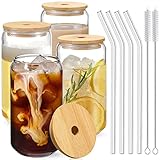
- PRODUCT CONFIGURATION: Drinking glass set includes 4 glass cups [ Diameter - 3 inches, Height - 5.6 inches ],4 nature bamboo lids, 4 reusable glass straws and 2 cleaning brushes, Classic design tumbler
- DURABLE and SAFE: The glasses are made of high-quality durable clear glass, Lead-free and BPA-free. It can be used safely for a long time. This thick clear glass can withstand the sudden changes in the temperature difference between -68°F to 212°F, making them dishwasher safe. If you want to decorate this glass, you can do DIY easily without breakage
- MULTI-PURPOSE: The glassware Great for any Occasion, any hot and cold drinks, home essentials. It is widely loved by families, kitchen, breweries, cafes, bars and restaurants. You can use it to make perfect tea, bubble Pearl Milk Tea, soda, water, iced coffee, smoothie, fruit juice or any other interesting holiday drinks
- AMAZING GIFT: This jar is very fashionable, aesthetic and characteristic. Excellent workmanship. Perfect Gifts for Women, House warming gifts, Tea mug Sets, Highball Glasses, Home Bar Accessories, Birthdays, Graduation, Weddings and Christmas Gifts
- SATISFIED SERVICE: This glass set is packaged in the heavy bubble holder and thick carton box to prevent damage while in transport. If the glass set you received was damaged or imperfect or you are not satisfied, we will offer a satisfactory solution
9. Serve and enjoy.
- What to do: Pour the chilled, concentrated coffee over the ice. Add sweetener or milk/cream if desired. Stir well.
- What “good” looks like: A perfectly chilled, flavorful beverage.
- Common mistake: Adding ice to the hot coffee before chilling. This is the biggest flavor killer.
Pro tip: Cold brew is even simpler. Just steep coarse grounds in cold water for 12-24 hours, then filter. It’s naturally less acidic and super smooth.
Common mistakes (and what happens if you ignore them)
| Mistake | What it causes | Fix |
|---|---|---|
| Using stale coffee beans | Flat, dull, or even rancid coffee flavor | Buy fresh beans and check the roast date. |
| Incorrect grind size | Bitter (too fine) or weak (too coarse) coffee | Match grind to your brewer; medium-coarse is often a safe bet. |
| Using unfiltered tap water | Off-flavors that mask coffee’s true taste | Use filtered or bottled water. |
| Pouring hot coffee directly over ice | Watery, diluted, weak iced coffee | Brew strong, chill completely, then pour over ice. |
| Not brewing coffee strong enough | Weak, watery iced coffee even with fresh ice | Double-strength brew or use a cold brew concentrate. |
| Using old or dirty brewing equipment | Musty, bitter, or generally unpleasant coffee taste | Clean your brewer thoroughly and descale regularly. |
| Not using enough ice | Iced coffee warms up too quickly, losing its appeal | Fill your glass generously with fresh ice. |
| Adding milk/sweetener before tasting | Over-sweetened or over-milked coffee | Taste and adjust after the coffee is chilled and poured over ice. |
| Not letting coffee chill completely | Melts ice too fast, diluting the brew | Patience! Refrigerate until cold. |
| Using ice made from tap water | Imparts tap water flavors into your cold coffee | Use filtered water for your ice cubes. |
Decision rules (simple if/then)
- If your iced coffee tastes weak, then increase your coffee-to-water ratio next time because you’re not brewing it strong enough.
- If your iced coffee tastes bitter, then check your grind size and make it slightly coarser because too fine a grind over-extracts.
- If your iced coffee has off-flavors, then switch to filtered water because tap water can add unwanted tastes.
- If your iced coffee is watery, then ensure you are chilling the brew completely before adding ice because hot coffee melts ice too fast.
- If you’re brewing hot coffee for iced coffee, then brew it stronger than usual because the ice will dilute it.
- If your cold brew is too weak, then try a finer grind or a higher coffee-to-water ratio because it needs more extraction.
- If your coffee tastes stale, then use fresher beans because freshness is key to good flavor.
- If your brewer is leaving a bad taste, then clean it thoroughly because old oils go rancid.
- If you want a smoother, less acidic iced coffee, then consider making cold brew concentrate because it’s naturally less acidic.
- If your iced coffee isn’t cold enough, then use more ice because it’s the primary cooling agent.
FAQ
What’s the best coffee bean for iced coffee?
Medium to dark roasts generally shine in iced coffee. They have bolder flavors that stand up well to dilution. But honestly, use what you enjoy!
Can I just brew coffee and pour it over ice?
You can, but it often results in weak, watery coffee. Brewing it double-strength and then chilling it first is a much better approach.
How do I make cold brew concentrate?
Use a ratio of about 1:4 to 1:8 (coffee to water) with coarse grounds steeped in cold water for 12-24 hours. Then, filter it out. You’ll dilute this concentrate later.
Why is my iced coffee bitter?
This is usually due to a grind that’s too fine, over-extraction from brewing too long, or water that’s too hot. For iced coffee specifically, brewing too weak and then adding ice can also make it taste unbalanced.
How long does homemade iced coffee last?
Stored in an airtight container in the fridge, it should be good for 3-4 days. After that, the flavor can start to degrade.
Should I add milk and sugar before or after chilling?
Always add milk and sugar after the coffee is chilled and poured over ice. This lets you taste and adjust to your preference without overdoing it.
Does ice melt faster in hot coffee?
Yes, a lot faster. That’s why chilling your brew first is crucial. You want the ice to cool your coffee, not disappear into it.
What’s the difference between iced coffee and cold brew?
Cold brew is brewed with cold water over a long period, resulting in a smoother, less acidic concentrate. Traditional iced coffee is brewed hot and then chilled.
What this page does NOT cover (and where to go next)
- Specific recipes for flavored iced coffees (e.g., mocha, caramel).
- Detailed comparisons of different iced coffee brewing devices.
- Advanced techniques like Japanese iced coffee (flash chilling).
- The science behind coffee extraction and flavor compounds.
- Where to buy specific coffee beans or brewing equipment.