
Coffee’s Impact on Cognitive Function and Test Performance
Quick Answer
- Caffeine in coffee can temporarily enhance alertness, focus, and reaction time.
- These effects may translate to improved performance on certain types of tests, especially those requiring sustained attention.
- The impact is dose-dependent; too much caffeine can lead to anxiety and jitters, hindering performance.
- Individual sensitivity to caffeine varies significantly, influencing how it affects cognitive function.
- Regular coffee drinkers may experience a “baseline” effect, where coffee simply brings them back to normal alertness rather than providing an additional boost.
- While coffee can help with immediate task performance, it doesn’t fundamentally increase intelligence or long-term learning capacity.
Key Terms and Definitions
- Cognitive Function: Refers to the mental processes involved in gaining knowledge and comprehension, including attention, memory, reasoning, and problem-solving.
- Caffeine: A naturally occurring stimulant found in coffee beans, tea leaves, and cocoa beans. It acts on the central nervous system.
- Adenosine: A neurotransmitter that promotes relaxation and sleepiness. Caffeine blocks adenosine receptors.
- Alertness: The state of being watchful and responsive to stimuli.
- Focus: The ability to concentrate attention on a particular task or subject.
- Reaction Time: The duration between the presentation of a stimulus and the response to it.
- Working Memory: The system responsible for temporarily storing and manipulating information for complex cognitive tasks.
- Executive Functions: A set of mental skills that include working memory, flexible thinking, and self-control.
- Placebo Effect: A beneficial effect produced by a placebo drug or treatment, which cannot be attributed to the properties of the placebo itself, and must therefore be assumed to be the result of the patient’s belief in that treatment.
- Dose-Response Relationship: The relationship between the dose of a drug or substance and the magnitude of its effect.
How Coffee Works on Your Brain
- When you consume coffee, caffeine is absorbed into your bloodstream and travels to your brain.
- In the brain, caffeine acts as an antagonist to adenosine, a neurotransmitter that signals tiredness and relaxation.
- By blocking adenosine receptors, caffeine prevents adenosine from binding and slowing down nerve activity.
- This blockage leads to an increase in the release of other neurotransmitters, such as dopamine and norepinephrine.
- Dopamine is associated with pleasure, motivation, and focus.
- Norepinephrine is a stimulant that increases alertness and arousal.
- The combined effect of blocking adenosine and increasing other neurotransmitters results in increased neural firing.
- This heightened neural activity can lead to feelings of wakefulness, improved mood, and enhanced cognitive processing.
- For tasks requiring vigilance and sustained attention, this boost in alertness can be particularly noticeable.
- The speed at which these effects occur depends on individual metabolism and the type of coffee consumed.
What Affects Coffee’s Impact on Test Performance
- Caffeine Dosage: The amount of caffeine consumed is crucial. A moderate amount (e.g., 100-200 mg, roughly 1-2 cups of coffee) is often optimal for cognitive enhancement. Too little may have no noticeable effect, while too much can cause anxiety and impair performance.
- Individual Sensitivity: People metabolize caffeine at different rates due to genetic factors. Some individuals are highly sensitive and may experience negative effects even with small amounts, while others are less sensitive and require more to feel a boost.
- Tolerance: Regular coffee drinkers develop a tolerance to caffeine. For them, coffee might simply restore normal cognitive function rather than provide an extra edge, especially if consumed shortly after waking.
- Time of Consumption: Consuming coffee close to a test can provide immediate benefits. However, consuming it too late in the day can interfere with sleep, negatively impacting overall cognitive function and test readiness.
- Type of Test: Coffee is more likely to benefit tasks requiring sustained attention, vigilance, and quick reaction times. It may have less impact on complex problem-solving or creative tasks that require deeper cognitive processing.
- Sleep Quality: If you are sleep-deprived, caffeine can help improve alertness and performance to some extent, but it cannot fully compensate for the cognitive deficits caused by a lack of sleep.
- Hydration: Dehydration can negatively impact cognitive function. While coffee has a mild diuretic effect, moderate consumption is unlikely to cause significant dehydration for most people, especially if other fluids are consumed.
- Food Intake: Consuming coffee on an empty stomach can lead to a faster and more intense caffeine absorption, potentially increasing jitters. Eating a meal can slow absorption.
- Expectations (Placebo Effect): Believing that coffee will improve performance can itself lead to some degree of improvement, separate from the pharmacological effects of caffeine.
- Stress Levels: High stress can interfere with the cognitive benefits of caffeine. In some individuals, caffeine can exacerbate anxiety under stress.
If you’re looking for a more controlled way to manage your caffeine intake, consider caffeine supplements. They offer a precise dosage, which can be particularly helpful when trying to find that sweet spot for optimal cognitive function without the jitters.
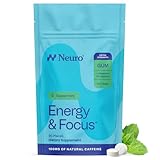
- Fast-Acting Nootropic - Our energy supplements deliver an extra boost of energy and clarity with a blend of natural caffeine, L-theanine, and vitamin b6 & b12. Your go-to chewing gum for work, exercise, and daily focus!
- Clean Energy - Each piece of our sugar free gum delivers 100mg of natural caffeine from green coffee beans for a smooth energy boost without crashes or jitters.
- The Perfect Balance - With 60mg of L-theanine per piece, our energy and focus formula promotes enhanced focus and stress reduction to smooth energy boosts.
- How to Use - Chew one piece of the caffeine gum whenever focus or energy is lacking. Ideal for mornings, pre-workout, or afternoon slumps. Effects typically kick in within minutes thanks to optimal absorption through the mouth.
- Made by Neuro, Backed by Science - At Neuro, we combine neuroscience with clean, science backed ingredients to help you do more, think better, and feel your best every single day.
Pros, Cons, and When It Matters
- Pro: Enhanced Alertness and Vigilance: Coffee can make you feel more awake and attentive, which is beneficial for long study sessions or tests requiring you to stay sharp for extended periods.
- Con: Jitters and Anxiety: Consuming too much caffeine can lead to nervousness, restlessness, and a racing heart, which can be distracting and detrimental to concentration during a test.
- Pro: Improved Reaction Time: For tests or tasks that involve quick responses, caffeine can shorten the time it takes to react to stimuli.
- Con: Sleep Disruption: Drinking coffee too close to bedtime can interfere with your ability to fall asleep and reduce sleep quality, negatively impacting overall cognitive function and memory consolidation.
- Pro: Mood Enhancement: Caffeine can boost mood and feelings of well-being, which can create a more positive mindset for tackling academic challenges.
- Con: Tolerance and Withdrawal: Regular use can lead to tolerance, diminishing the stimulating effects. Abrupt cessation can cause withdrawal symptoms like headaches and fatigue, hindering performance.
- Pro: Temporary Cognitive Boost: For individuals who are not regular consumers or who are experiencing mild fatigue, coffee can provide a noticeable, albeit temporary, improvement in cognitive performance.
- Con: Not a Substitute for Learning: Coffee can help you perform better on a test by improving focus, but it does not increase your knowledge or understanding of the material.
- Pro: Cost-Effective: Compared to other potential cognitive enhancers, coffee is a relatively inexpensive and widely available option.
- Con: Digestive Issues: Some individuals experience stomach upset, acid reflux, or other digestive discomfort from coffee, which can be a significant distraction during a test.
- Pro: Social and Ritualistic Benefits: The act of preparing and drinking coffee can be a calming ritual, helping to reduce pre-test anxiety for some.
- Con: Masking Fatigue: Coffee can mask the body’s signals of fatigue, potentially leading to overexertion and burnout if relied upon too heavily without adequate rest.
Common Misconceptions About Coffee and Smarter Testing
- Myth: Coffee makes you permanently smarter. Reality: Coffee’s effects are temporary and primarily related to alertness and focus, not an increase in underlying intelligence.
- Myth: More coffee always means better test performance. Reality: There’s an optimal dose. Too much caffeine can lead to anxiety and impaired performance.
- Myth: Coffee is a magic bullet for failing grades. Reality: While it can help with focus, it cannot replace diligent study and understanding of the material.
- Myth: Everyone benefits from coffee before a test. Reality: Individual sensitivity and tolerance vary greatly. Some people perform worse with caffeine.
- Myth: Coffee is bad for your brain. Reality: In moderation, caffeine can have positive short-term effects on cognitive function for many people.
- Myth: Coffee can overcome severe sleep deprivation. Reality: Caffeine can help mask fatigue and improve alertness temporarily, but it cannot fully compensate for the cognitive deficits caused by chronic lack of sleep.
- Myth: The benefits of coffee are purely pharmacological. Reality: The placebo effect, where belief in coffee’s benefits contributes to improved performance, also plays a role.
- Myth: Coffee improves all types of cognitive tasks equally. Reality: Coffee is most effective for tasks requiring vigilance and sustained attention, less so for complex problem-solving or creativity.
- Myth: Coffee is addictive and always harmful. Reality: While caffeine can lead to physical dependence and withdrawal symptoms, it is not typically considered an addictive substance in the same way as illicit drugs, and moderate consumption is generally safe.
FAQ
Q1: Can drinking coffee before a test actually make me score higher?
A1: It can potentially help by increasing alertness, focus, and reaction time, which may translate to better performance on certain types of tests. However, the effect is temporary and depends on many factors.
Q2: How much coffee is too much before a test?
A2: For most adults, more than 400 milligrams of caffeine (about 4 cups of brewed coffee) per day can lead to negative side effects. Before a test, even 100-200 mg might be too much if you’re sensitive, causing jitters instead of focus.
Q3: I drink coffee every day. Will it still help me on a test?
A3: If you have a high tolerance, coffee might just bring you back to your normal baseline alertness rather than providing an additional boost. The effects might be less pronounced compared to someone who doesn’t regularly consume caffeine.
Q4: What if I’m not a coffee drinker? Should I try it before a big exam?
A4: It’s generally not advisable to try a new substance right before a high-stakes event. You don’t know how your body will react. If you want to experiment, do so well in advance to understand your personal response.
Q5: Does the type of coffee matter?
A5: The primary factor is the caffeine content, which varies by bean type, roast, and brewing method. Espresso shots have concentrated caffeine, while a large drip coffee might have more total caffeine.
Q6: Can coffee help if I’m feeling tired and haven’t studied enough?
A6: Coffee can improve alertness and make you feel more capable of focusing. However, it cannot create knowledge or understanding that isn’t there. It helps you access what you know, but it won’t teach you new material.
Q7: Will coffee help me with creative problem-solving on a test?
A7: Coffee’s benefits are more pronounced for tasks requiring sustained attention and quick reactions. For highly creative or complex problem-solving that requires deep, nuanced thought, the benefits may be less direct and could even be hindered by overstimulation.
What This Page Does Not Cover (and Where to Go Next)
- Specific Caffeine Dosages for Different Age Groups: Information on recommended caffeine intake for children and adolescents.
- Long-Term Effects of Regular Caffeine Consumption: Detailed research on the chronic health impacts of daily coffee drinking.
- Comparison of Caffeine in Different Beverages: A breakdown of caffeine content in tea, soda, energy drinks, and other caffeinated products.
- Advanced Brain-Boosting Techniques: Exploration of other cognitive enhancement strategies beyond stimulants, such as meditation or specific memory training exercises.
- The Neurochemistry of Addiction and Dependence: A deep dive into the biological mechanisms behind caffeine dependence and withdrawal.
- Nutritional Aspects of Coffee: Information on the antioxidants and other compounds found in coffee and their potential health benefits.