
Coffee vs. Tea: Why Coffee Stimulates Bowel Movements
Quick Answer
- Coffee’s stimulant effect on the colon is primarily due to caffeine and other compounds that trigger muscle contractions.
- Tea, while containing caffeine, generally has lower levels and different chemical compositions that don’t produce the same strong laxative effect.
- The speed at which coffee is digested and moves through the system also plays a role.
- Individual sensitivity to coffee’s compounds varies significantly.
- Acidity in coffee can also contribute to digestive responses.
- Some teas might have mild digestive effects, but they are typically less pronounced than coffee.
Key Terms and Definitions
- Caffeine: A natural stimulant found in coffee beans and tea leaves that affects the central nervous system and can influence digestive processes.
- Gastrocolic Reflex: An involuntary reflex that causes the colon to contract after food or drink enters the stomach, leading to the urge to defecate.
- Hormones: Chemical messengers in the body, some of which, like gastrin and cholecystokinin, are released in response to coffee and can stimulate bowel movements.
- Acidity: The pH level of a beverage. Coffee is generally more acidic than tea, which can impact the stomach and digestive tract.
- Motility: The movement of food and waste through the digestive tract. Coffee can increase intestinal motility.
- Decaffeinated Coffee: Coffee with most of its caffeine removed. It can still stimulate bowel movements due to other compounds.
- Polyphenols: Antioxidant compounds found in both coffee and tea. Specific polyphenols in coffee may have a stronger effect on the digestive system.
- Gut Microbiome: The community of microorganisms living in the digestive tract. While not a direct cause, it can influence overall digestive health and response to food and drink.
Even decaffeinated coffee can stimulate bowel movements for some individuals, suggesting that compounds other than caffeine are also involved in triggering the digestive response. If you’re sensitive to caffeine but still want to explore this effect, consider trying a decaf option.

- Balanced, full-bodied medium roast with a smooth finish
- One 12-ounce bag of ground coffee
- Decaffeinated
- 100% Arabica coffee grown in Colombia
- Roasted and packed in the U.S.A.
How Coffee Stimulates Bowel Movements
- Caffeine’s Impact: Caffeine is a well-known stimulant that can increase the frequency and intensity of muscle contractions in the colon, known as peristalsis. This propels waste through the digestive system more quickly.
- Hormonal Triggers: Drinking coffee can stimulate the release of hormones like gastrin and cholecystokinin. Gastrin increases stomach acid and colon activity, while cholecystokinin aids digestion and can also trigger bowel movements.
- Increased Gut Motility: Beyond just peristalsis, coffee appears to generally increase the overall speed at which contents move through the digestive tract, reducing the time for water absorption and leading to a more immediate urge.
- Acidity Factor: Coffee is naturally more acidic than most teas. This acidity can stimulate the stomach and intestines, contributing to the gastrocolic reflex and the sensation of needing to defecate.
- Other Compounds: While caffeine is a major player, coffee contains hundreds of other compounds, including certain acids and oils, that may also contribute to its laxative effect. These can work synergistically with caffeine.
- Decaf’s Effect: Even decaffeinated coffee can prompt bowel movements for some individuals. This suggests that compounds other than caffeine are also involved in triggering the digestive response.
- Rapid Transit: For many, coffee is consumed quickly and in a relatively large volume. This rapid intake can further stimulate the digestive system and the gastrocolic reflex.
- Personal Sensitivity: The degree to which coffee affects an individual’s bowels can vary greatly based on genetics, diet, and their unique digestive system’s sensitivity to coffee’s various components.
What Affects Coffee’s Digestive Impact
- Brewing Method: Different brewing methods can extract varying amounts of oils and acids from coffee grounds. For example, espresso, with its concentrated nature, might have a different effect than drip coffee.
- Roast Level: Lighter roasts tend to retain more acidity, while darker roasts can have compounds that are easier to digest for some. However, the overall effect is complex and can vary.
- Coffee Bean Type: Arabica and Robusta beans have different chemical compositions, including caffeine and oil content, which can influence how they affect digestion.
- Additives: Milk, cream, sugar, or artificial sweeteners can all alter the digestive response to coffee. Dairy, in particular, can cause issues for those with lactose intolerance.
- Individual Gut Health: A person’s existing gut microbiome and overall digestive sensitivity play a significant role in how they react to coffee’s stimulating properties.
- Timing of Consumption: Drinking coffee on an empty stomach may lead to a more pronounced effect compared to consuming it after a meal.
- Caffeine Content: While not the sole factor, the amount of caffeine in a cup of coffee directly correlates with its potential to stimulate bowel movements. Stronger brews generally have more caffeine.
- Acidity Level: Coffees with higher inherent acidity may trigger a stronger digestive response in sensitive individuals.
- Water Temperature: While more relevant to extraction quality, extreme temperatures of the water used for brewing might also play a minor role in how certain compounds are released.
- Grind Size: A finer grind means more surface area for extraction, potentially leading to a more potent brew with a stronger effect on digestion.
- Freshness of Coffee: Stale coffee can develop different compounds, though the primary digestive stimulants are generally present in fresh beans as well.
- Hydration Levels: Being well-hydrated can generally support healthy digestion, but the direct interaction of coffee with hydration is complex and doesn’t negate its specific stimulant properties.
Pros, Cons, and When It Matters
- Pro: Natural Stimulant: For many, coffee’s ability to promote a bowel movement is a welcome morning routine, helping to start the day with regularity.
- Con: Urgency and Discomfort: The sudden urge can be inconvenient, especially when away from home or in a situation where immediate bathroom access is not possible.
- Pro: Aids Digestion: The stimulation can be beneficial for individuals experiencing constipation, offering a natural way to promote regularity.
- Con: Digestive Upset: For some, coffee can cause stomach upset, heartburn, or diarrhea due to its acidity or stimulant effects.
- Pro: Social Ritual: Coffee drinking is a widespread social and personal ritual, and its digestive effects are often an accepted part of that experience.
- Con: Dependence: Relying heavily on coffee for bowel regularity might mask underlying dietary or lifestyle issues contributing to constipation.
- Pro: Cognitive Boost: The caffeine that stimulates bowels also provides alertness and improved focus, a primary reason many consume coffee.
- Con: Sleep Disruption: If consumed too late in the day, the stimulant effects, including those on digestion, can interfere with sleep.
- Matters For: Individuals struggling with occasional constipation may find coffee helpful.
- Matters For: People with sensitive stomachs or conditions like Irritable Bowel Syndrome (IBS) might need to limit or avoid coffee due to its strong digestive impact.
- Matters For: Those seeking to establish a consistent morning routine often find coffee’s digestive effects align with their goals.
- Matters For: Anyone experiencing unexpected digestive urgency should consider their recent coffee consumption.
Common Misconceptions
- Misconception: Only caffeine in coffee makes you poop.
- Reality: While caffeine is a major contributor, other compounds in coffee also play a role, as evidenced by decaf coffee’s effects.
- Misconception: Tea has no effect on bowel movements.
- Reality: Some teas, particularly black tea with its caffeine content, can have a mild stimulating effect, though generally less pronounced than coffee.
- Misconception: Coffee is bad for your digestive system.
- Reality: For most people, coffee’s digestive effects are normal and even beneficial for regularity. Problems arise with excessive consumption or individual sensitivities.
- Misconception: The heat of the coffee is the primary cause of bowel stimulation.
- Reality: While warm liquids can aid digestion, the chemical compounds in coffee are the main drivers of its strong laxative effect.
- Misconception: All coffee drinkers experience the same strong urge to defecate.
- Reality: Individual sensitivity to coffee’s compounds varies greatly, meaning some people are much more affected than others.
- Misconception: If you don’t poop after coffee, you must be “broken.”
- Reality: Not everyone’s digestive system reacts the same way. Many factors influence this response, and lack of a reaction is also normal for some.
- Misconception: Coffee directly cleanses your colon.
- Reality: Coffee stimulates muscle contractions that move waste along, but it doesn’t “cleanse” in a detoxifying sense.
- Misconception: You need to drink a lot of coffee for it to have an effect.
- Reality: For sensitive individuals, even a small amount of coffee can trigger a digestive response.
Some teas, particularly black tea with its caffeine content, can have a mild stimulating effect, though generally less pronounced than coffee. If you prefer a gentler approach to digestive stimulation, experimenting with different teas using a good tea infuser might be a good option.
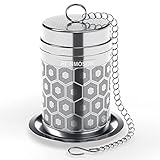
- Upgraded Micron Mesh: loose leaf tea steeper is Ideal to hold tea leaves, particles, or ground coffee. Compared to traditional tea strainer, our tea ball features 50% more ultra fine, half-sized holes for optimal tea flavor and minimal sediment leak. Ideal for rooibos, herbs, green tea, Chai, ground coffee, small tea leaves and etc.
- High-Quality Materials: Made of 304 food-grade stainless steel, tea ball infuser for loose tea is easier to be cleaned. Besides, loose tea steeper ensures no metallic taste on your tea or coffee and never rust for years of use. Money-saving and eco-friendly alternative to disposable tea bags and paper filters.
- Easy to Open and Close: With the design of thread top, the lids screw easily and are much more secure than the traditional twist lid, so the tea leaves will be held tightly and the lid never escapes during the process of brewing.
- Wide Application: tea steeper is not only for loose tea leaves but also a spice filter, infusing spices, herbs, and seasonings in soups, sauce, broths, and stews. Extended 4.3” chain with S-handle makes tea infusers can catch securely on any rim of mugs, cups, teapots, kettles, bottles, and pitchers.
- Package: Comes with 1.5” diameter and 2.2” high tea balls for loose tea and 1 saucer. The saucer is helpful for avoiding making a mess when you take out the loose leaf tea infusers after brewing.
FAQ
- Why does coffee make me need to poop so quickly?
Coffee stimulates your digestive tract in several ways. Caffeine increases muscle contractions in your colon, and other compounds can trigger hormone releases that speed up digestion and the gastrocolic reflex, leading to a quicker urge.
- Does decaf coffee still make you poop?
Yes, for many people, decaffeinated coffee can still stimulate bowel movements. This is because compounds other than caffeine in coffee beans contribute to its laxative effect.
- Is it normal for coffee to cause diarrhea?
For some individuals, especially those sensitive to coffee’s acidity or stimulant properties, coffee can lead to diarrhea or loose stools. It’s a sign of a strong reaction.
- Why doesn’t tea have the same effect as coffee?
While tea contains caffeine, it typically has lower amounts than coffee. Additionally, the specific types and amounts of other compounds in tea differ from coffee, resulting in a less potent stimulant effect on the bowels.
- How long after drinking coffee should I expect to need the bathroom?
The timing can vary widely, but for many, the urge occurs anywhere from 15 minutes to an hour after drinking coffee. This depends on individual digestion speed and sensitivity.
- Can adding milk or sugar to coffee change its effect?
Yes, additives can alter the digestive response. For instance, dairy can cause issues for lactose-intolerant individuals, and sweeteners can also impact gut bacteria and transit time.
- What should I do if coffee gives me stomach pain?
If coffee consistently causes stomach pain, it might be due to its acidity or sensitivity to certain compounds. You could try switching to a less acidic coffee, a darker roast, or reducing your intake.
What This Page Does Not Cover (and Where to Go Next)
- Specific medical advice for chronic digestive issues like IBS or IBD. Consult a healthcare professional for personalized diagnosis and treatment plans.
- Detailed analysis of the chemical compounds in coffee beyond their general effects on digestion. Explore scientific literature or specialized coffee brewing resources for this.
- Nutritional breakdowns of different coffee beans or roast levels. Refer to coffee roaster websites or food science databases for detailed nutritional information.
- Recommendations for specific brands or types of coffee based on digestive impact. Personal experimentation or discussions within coffee enthusiast communities might be more helpful.
- The long-term health benefits or risks associated with regular coffee consumption. Consult health organizations or medical journals for comprehensive studies.