

Coffee Maker Safety: Potential Hazards To Avoid
Quick answer
- While a coffee maker is generally safe, severe electrical or fire hazards are possible with improper use or maintenance.
- The primary risks involve electrical shock from damaged cords or internal malfunctions, and fire from overheating or combustible materials near the machine.
- Regular cleaning and descaling are crucial to prevent blockages that can lead to overheating or leaks.
- Always inspect the power cord for damage before plugging in and ensure the machine is on a stable, heat-resistant surface.
- Never leave a coffee maker unattended while brewing, especially older or malfunctioning units.
- Keep flammable materials away from the coffee maker, both during operation and when stored.
What this problem usually is (and is not)
- This guide addresses the potential, though rare, safety hazards associated with home coffee makers, focusing on electrical and fire risks.
- It is not about minor inconveniences like weak coffee or slow brewing, which are performance issues, not safety concerns.
- We are not discussing the health effects of caffeine consumption.
- This information is for general guidance; always refer to your specific coffee maker’s manual for detailed safety instructions.
- The goal is to empower you with knowledge to use your coffee maker safely and prevent accidents, rather than to cause alarm.
- It’s important to understand that severe incidents are uncommon when basic safety precautions are followed.
Likely causes (triage list)
Electrical Hazards:
- Damaged Power Cord: Frayed or exposed wires can lead to shocks or shorts. Inspect the cord visually for any nicks, cuts, or signs of wear.
- Internal Wiring Issues: Loose connections or faulty components within the machine can cause sparks or overheating. This is harder to diagnose without technical knowledge and often requires professional assessment or replacement.
- Water Intrusion: If water gets into the electrical components (e.g., through a leak or spill), it can create a shock hazard. Check for any signs of leaks or moisture around the base or control panel.
When dealing with electrical hazards, ensuring your drip coffee maker has a well-maintained power cord is paramount. If yours is showing signs of wear, consider a replacement to stay safe Learn more in our safety and materials guide.
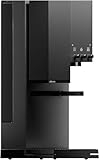
xBloom Studio Coffee Machine – Drip Coffee Maker with Built-in Grinder and Scale, 3 Automation Levels, App Connected Pour Over Coffee Maker for Home and Office, Midnight Black
- 1. Three Levels of Automation for Any Skill Level: Choose from Autopilot, Copilot, or Free Solo mode. Autopilot handles the entire brewing process automatically. Copilot provides step-by-step guidance. Free Solo gives you full manual control. This coffee machine works for beginners and professional baristas alike.
- 2. Intuitive User Interface with Tactile Knobs and LED Matrix: The Studio features physical control knobs and a clear LED Matrix display. You can adjust grind size, water temperature, and flow rate in real time without navigating complicated touchscreen menus.
- 3. Full Customization via the xBloom App: Use the xBloom app to create, adjust, save, and share your favorite coffee recipes. Every brewing parameter can be fine-tuned and synced to the machine instantly. Your perfect cup is saved and repeatable.
- 4. Compostable xPod System for Minimal Waste and Maximum Flavor: Each xPod contains carefully selected whole beans and a built-in filter. Tap the recipe card, pour the beans into the grinder, place the pod into the dock, and press start. No capsules, no extra paper filters, no unnecessary waste.
- 5. What Is Included in the Box: The package includes the xBloom Studio, Omni Dripper 2 with Hyperflow Bottom, 10 paper filters, xPod Dock, Magnetic Dosing Cup, default recipe card, quick start guide, cleaning brush, and universal power cord. Everything you need is included.
Fire Hazards:
- Overheating: Blockages in the water reservoir or brew basket can cause the heating element to overheat, potentially igniting nearby materials. Listen for unusual sounds and check for steam escaping from unintended areas.
- Proximity to Flammables: Placing the coffee maker too close to curtains, paper towels, or other combustible items can lead to ignition if the machine becomes hot. Visually assess the surrounding area for any potential fire risks.
- Malfunctioning Thermostat/Safety Shut-off: If the machine doesn’t shut off automatically when the brew cycle is complete or if it overheats, it poses a fire risk. Observe if the machine continues to heat excessively after brewing.
- Clogged Drip Tray/Carafe Area: Coffee residue buildup can become a fire hazard if it overheats. Check the drip tray and carafe holder for accumulated grounds and oils.
Fire hazards can arise from overheating, especially if your electric coffee maker has a blockage. Regular cleaning is key, but if you’re looking for added peace of mind, a newer model with advanced safety features might be a good investment.

APOXCON Electric Coffee Percolator Stainless Steel Coffee Maker with Clear Brew Progress Tough Glass Knob and On/OFF Switch Classic Coffee Pot with Keep Warm & Cordless Serve No Aluminum (12 Cup)
- CAPACITY: Large 12-cup stainless steel percolator perfect for serving multiple people, featuring a durable construction with no aluminum components. Total Capacity: 1.8 Liters (60 fl oz), brews 6-12 cups, 1cup ≈150ml(5 oz)
- BREWING VISIBILITY: Clear glass knob allows you to monitor the percolation process while your coffee brews to desired strength. 【Spare one for replacement】
- CONVENIENT FEATURES: Equipped with an easy-to-use ON/OFF switch and automatic keep-warm function to maintain optimal coffee temperature. Detachable base enables convenient, cord-free pouring and serving at the table
- ERGONOMIC DESIGN: Cool-touch handle provides comfortable and safe handling, while the stainless steel body ensures lasting durability
- TIPS: Start with room temperature or cool water for proper brewing. Fill water above the minimum marking line. Coarse Grounds are Recommended. Recommended to use filter paper for fine ground. Durable stainless steel construction, backed by a 【1-year Limited Warranty】
Machine Setup & Maintenance:
- Unstable Surface: Placing the coffee maker on a wobbly or uneven surface can lead to spills or the machine tipping over, potentially damaging electrical components or causing fires. Ensure the surface is flat, stable, and heat-resistant.
- Lack of Cleaning/Descaling: Mineral buildup and old coffee oils can clog internal pathways, leading to overheating and potential malfunctions. Visually inspect the water reservoir and brew basket for residue.
Fix it step-by-step (brew workflow)
This workflow focuses on safe operation and addressing potential issues during the brewing process.
1. Inspect the Power Cord:
- What to do: Before plugging in, carefully examine the entire length of the power cord for any cuts, frays, or exposed wires.
- What “good” looks like: The cord is intact, with no visible damage to the insulation.
- Common mistake & how to avoid it: Ignoring minor-looking damage. Even a small nick can expose wires. If you see any damage, do not use the machine and consider replacing the cord or the unit.
2. Place on a Stable Surface:
- What to do: Position your coffee maker on a flat, stable, and heat-resistant countertop. Ensure it’s not near the edge where it could be easily knocked over.
- What “good” looks like: The coffee maker sits firmly without wobbling.
- Common mistake & how to avoid it: Placing it on a soft surface like a cloth or a tilted counter. This can lead to instability and spills.
3. Add Fresh, Cold Water:
- What to do: Pour fresh, cold water into the reservoir. Use filtered water if your tap water is hard. Do not overfill.
- What “good” looks like: The water level is within the indicated range on the reservoir.
- Common mistake & how to avoid it: Using hot water or overfilling the reservoir. Hot water can damage the machine, and overfilling can cause leaks or overflow during brewing.
4. Insert Filter and Coffee Grounds:
- What to do: Place the correct type of filter (paper or permanent) into the brew basket. Add your desired amount of coffee grounds.
- What “good” looks like: The filter is seated properly, and the grounds are evenly distributed.
- Common mistake & how to avoid it: Using the wrong size or type of filter, or not seating it correctly. This can lead to grounds bypassing the filter and ending up in your coffee, or coffee grounds overflowing the basket.
5. Position Carafe Correctly:
- What to do: Ensure the carafe is properly placed on the warming plate or in its designated spot, with the lid on if applicable.
- What “good” looks like: The carafe is snug and aligned with the brew basket drip spout.
- Common mistake & how to avoid it: Not ensuring the carafe is fully in place. This will result in coffee overflowing the basket and creating a mess, and potentially a slip hazard.
6. Plug In and Turn On:
- What to do: Plug the power cord into a properly grounded electrical outlet. Press the power button to begin brewing.
- What “good” looks like: The machine powers on, and brewing commences as expected.
- Common mistake & how to avoid it: Plugging into a damaged outlet or using an extension cord unnecessarily. Always use a direct connection to a functioning outlet.
7. Monitor Brewing Process:
- What to do: Stay in the vicinity and observe the coffee maker during brewing. Listen for unusual noises and watch for any leaks or excessive steam.
- What “good” looks like: The machine operates smoothly, with normal brewing sounds and steam from the designated spout.
- Common mistake & how to avoid it: Leaving the house or falling asleep while the machine is brewing. This is critical for catching potential malfunctions early.
8. Safely Remove Carafe (if applicable):
- What to do: Once brewing is complete, carefully remove the carafe from the warming plate. Be aware the carafe and its contents are hot.
- What “good” looks like: The carafe is lifted without incident.
- Common mistake & how to avoid it: Grabbing the carafe by its handle without checking for spills or drips on the side. This can lead to burns.
9. Turn Off and Unplug (if not automatic):
- What to do: If your coffee maker does not have an auto-shutoff feature, turn it off and unplug it after use.
- What “good” looks like: The machine is powered down and disconnected from the electrical supply.
- Common mistake & how to avoid it: Leaving the machine on the warming plate indefinitely. This wastes energy and increases the risk of overheating or fire.
10. Allow to Cool:
- What to do: Let the coffee maker cool down completely before cleaning.
- What “good” looks like: The machine is no longer warm to the touch.
- Common mistake & how to avoid it: Attempting to clean a hot machine. This can cause burns and damage components.
Prevent it next time
- Regular Cleaning: Clean your coffee maker after every use. Wipe down the exterior, wash the carafe and brew basket.
- Descaling Schedule: Descale your coffee maker every 1-3 months, depending on your water hardness. Check your manual for recommended descaling solutions and frequency.
- Use Quality Water: Use filtered or bottled water to reduce mineral buildup, which prolongs the life of your machine and prevents clogs.
- Inspect Power Cord: Periodically check the power cord for any signs of damage. If damaged, do not use the machine.
- Proper Placement: Always operate your coffee maker on a stable, flat, heat-resistant surface, away from flammable materials.
- Never Leave Unattended: Do not leave your coffee maker running unattended, especially older models or if you notice any unusual behavior.
- Correct Coffee-to-Water Ratio: Using too much coffee can clog the filter basket and cause overflow.
- Filter Check: Ensure you are using the correct size and type of filter for your machine.
- Unplug When Not in Use: If your machine lacks an auto-shutoff, unplug it after it has cooled down.
- Listen and Look: Pay attention to any strange noises, smells, or leaks during operation. Address them promptly.
Common mistakes (and what happens if you ignore them)
| Mistake | What it causes | Fix |
|---|---|---|
| Using a damaged power cord | Electrical shock, short circuits, fire hazard | Immediately discontinue use, replace the cord or the entire unit. |
| Leaving flammable materials near the unit | Fire if the machine overheats or malfunctions | Keep curtains, paper towels, and other flammables at a safe distance (at least 6 inches). |
| Not cleaning or descaling regularly | Clogs, overheating, leaks, reduced performance, potential fire hazard | Follow a regular cleaning and descaling schedule as per your manual. |
| Placing on an unstable or unsafe surface | Tipping over, spills, potential electrical hazard or damage | Use only on flat, stable, heat-resistant surfaces away from edges. |
| Overfilling the water reservoir | Leaks, overflow during brewing, potential water damage to electrical components | Fill only to the maximum line indicated on the reservoir. |
| Leaving the machine unattended while brewing | Inability to react to malfunctions (leaks, overheating, smoke), fire risk | Stay in the vicinity, especially with older or unfamiliar machines. |
| Using the wrong size or type of filter | Coffee grounds overflowing, grounds in your coffee, potential machine damage | Use only filters specified for your coffee maker model. Ensure it’s seated correctly. |
| Attempting to clean a hot machine | Burns, damage to internal components | Always allow the coffee maker to cool completely before cleaning. |
| Plugging into a damaged electrical outlet | Electrical shock, short circuits, fire hazard | Ensure outlets are in good condition and properly grounded. Avoid using extension cords if possible. |
| Not ensuring the carafe is properly seated | Coffee grounds overflowing the basket, messy cleanup, potential slip hazard on floor | Double-check the carafe is fully in place before starting the brew cycle. |
Decision rules (simple if/then)
- If the power cord has any visible damage, then do not plug in or use the coffee maker because it poses a severe electrical shock and fire risk.
- If you notice smoke or a burning smell during operation, then immediately unplug the coffee maker because it indicates a serious internal malfunction and fire hazard.
- If water is leaking from the base of the coffee maker, then unplug it and do not use it until the source of the leak is identified and fixed because water near electrical components is dangerous.
- If the coffee maker does not heat the water or brew properly, then unplug it and check for clogs or mineral buildup because these can cause overheating or complete failure.
- If you are unsure about the safety of your coffee maker’s electrical components, then consult the manufacturer or a qualified technician because internal electrical issues are not user-serviceable.
- If the coffee maker is placed near curtains or paper products, then move it immediately because these are flammable materials that can easily ignite from machine heat.
- If the coffee maker is old and has no auto-shutoff feature, then always unplug it after use and cooling because it reduces the risk of overheating and fire.
- If you hear unusual loud noises (grinding, popping) during brewing, then stop the cycle and investigate because these can signal mechanical issues or blockages.
- If the coffee maker consistently overflows the brew basket, then check the filter fit and the amount of coffee grounds used because this can lead to messes and potential safety hazards.
- If you are using a coffee maker for the first time, then read the entire instruction manual before operating because it contains model-specific safety guidelines.
- If the coffee maker has been submerged in water, then do not use it and seek professional advice or replace it because internal electrical components are likely compromised.
FAQ
Can you die from a coffee maker?
While extremely rare, severe electrical shock or a house fire caused by a malfunctioning coffee maker could potentially be fatal. Following safety guidelines significantly minimizes these risks.
Is it safe to leave a coffee maker plugged in?
It is generally safe to leave most modern coffee makers plugged in if they have an automatic shut-off feature and the cord is undamaged. However, unplugging it when not in use, especially for older models, is a good safety practice.
What should I do if my coffee maker sparks?
If your coffee maker sparks, immediately unplug it and do not use it. This indicates a serious electrical problem that requires professional assessment or replacement of the unit.
How often should I descale my coffee maker?
Descaling frequency depends on your water hardness and usage. A good guideline is every 1-3 months. Check your coffee maker’s manual for specific recommendations.
Can coffee maker leaks cause electrical problems?
Yes, water leaking near electrical components can create a significant shock hazard and can damage the machine. Always ensure the machine is unplugged and dry before investigating leaks.
Is it safe to use a coffee maker with a damaged cord?
Absolutely not. A damaged power cord is a serious fire and electrical shock hazard. Never use a coffee maker with a frayed, cut, or otherwise compromised cord.
What are the fire risks associated with coffee makers?
Fire risks include overheating due to clogs, flammable materials placed too close to the hot machine, and malfunctioning thermostats or heating elements.
Should I use hot water to clean my coffee maker?
No, never use hot water to clean your coffee maker unless specifically instructed by the manufacturer. Use cool or lukewarm water and appropriate cleaning solutions.
See also: Keeping Your Nuvera Coffee Maker Clean For Optimal Performance.
See also: Troubleshooting Eo Error On Your Cuisinart Coffee Maker.
See also: Troubleshooting Your Coffee Maker Isnt Working.
What this page does NOT cover (and where to go next)
- Specific Brand Malfunctions: This guide provides general safety advice. For issues unique to your brand or model, consult your coffee maker’s user manual or the manufacturer’s support.
- Advanced Repair Techniques: This page does not provide instructions for disassembling or repairing internal components of a coffee maker, which should only be done by qualified technicians.
- Coffee Quality Issues: Problems like weak or bitter coffee are brewing technique or ingredient issues, not safety hazards. Look for guides on brewing ratios, grind size, and water temperature for better coffee.
- Commercial Coffee Machine Safety: The advice here is for home use. Commercial-grade machines have different safety requirements and maintenance protocols.
- Electrical System Safety of Your Home: This guide focuses on the appliance itself. If you suspect issues with your home’s wiring or outlets, consult a licensed electrician.