
Making A Cappuccino On The Ninja Coffee Bar
Quick answer
- Use the “Specialty Brew” setting for the best espresso-like concentrate.
- Froth your milk separately using the built-in frother.
- Aim for a 1:1:1 ratio of espresso, steamed milk, and foam.
- Use fresh, finely ground coffee for optimal flavor extraction.
- Pre-warm your mug to keep your cappuccino hot.
- Don’t overfill the water reservoir; just enough for your concentrate.
Who this is for
- Anyone who owns a Ninja Coffee Bar and craves a cappuccino.
- Home baristas looking to simplify their morning routine.
- Coffee lovers who want café-style drinks without leaving the house.
If you’re looking to simplify your morning routine and enjoy café-style drinks at home, the Ninja Coffee Bar is an excellent choice for making delicious cappuccinos.
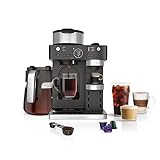
- BARISTA PLUS TECHNOLOGY: The 19-bar pressure system delivers ultra-flavorful espresso with a silky-smooth crema by brewing at the optimal temperature and pressure.
- COFFEEHOUSE DRINKS AT HOME: The built-in, fold-away frother allows you to create espresso-based cappuccinos, lattes, flat whites, and more.
- BREW SINGLE-SERVE ESPRESSO: Choose your favorite espresso capsule and brew up to 3 styles: Espresso (1.35 oz), Lungo (3.75 oz), and Over Ice (1 oz).
- BREW THROUGH COFFEE GROUNDS: Make a Classic, Rich, or Over Ice brew. Select 9 different sizes ranging from cup, to travel mug, to a full 12-cup carafe.
- VERSATILITY TO ENTERTAIN: Treat your guests to an espresso-based coffeehouse drink or brew a 12-cup carafe for the crowd.
What to check first
Brewer type and filter type
Your Ninja Coffee Bar likely has a built-in brew basket. Check if it’s the standard basket or if you have a carafe. For cappuccinos, you’ll primarily use the concentrate setting, which works with the basket. The filter type is usually a permanent mesh, but some models might have paper filter options. Stick with what your machine came with unless you’re experimenting.
Water quality and temperature
Tap water can mess with flavor. Use filtered water if you can. This isn’t just about taste; it’s about keeping your machine clean. Hard water leaves mineral deposits, and nobody wants that in their coffee or their machine. The Ninja heats the water for you, so you don’t need to worry about that part.
Grind size and coffee freshness
This is crucial for a good concentrate. You want a fine grind, almost like you’d use for espresso. If it’s too coarse, the water will rush through, and your coffee will be weak. Too fine, and it might clog. Freshly ground beans make a world of difference. Pre-ground stuff loses its punch fast.
For the best flavor and crema in your cappuccino, we highly recommend using freshly ground espresso beans.
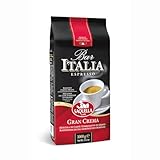
- AUTHENTIC ITALIAN ESPRESSO EXPERIENCE: From Saquella Caffè, family coffee roasters in Italy since 1856 — blending heritage, passion, and quality in every bean.
- FULL-BODIED & CREAMY FLAVOR: A signature Arabica and Robusta blend that delivers a bold espresso with a thick, velvety crema and lingering chocolate notes.
- MEDIUM-DARK ROAST: Carefully roasted for a rich aroma and balanced taste — smooth yet intense, ideal for espresso, cappuccino, or macchiato.
- CONSISTENT QUALITY: Beans are slow-roasted and expertly blended to ensure uniform extraction and a true Italian café-style experience at home.
- MADE IN ITALY: Imported directly from Italy — Saquella Bar Italia Gran Crema is the choice of professional baristas and espresso lovers worldwide.
Coffee-to-water ratio
For the concentrate, you’re not filling the whole water reservoir. Check your manual for the “Specialty Brew” or “Concentrate” setting’s recommended water amount. A good starting point is usually around 4 oz of water for a strong shot. For the coffee grounds, use about 2 heaping tablespoons per 4 oz of water. Adjust to your taste.
Cleanliness/descale status
A dirty machine makes dirty coffee. If you haven’t descaled your Ninja in a while, do it. Mineral buildup affects taste and brew temperature. Give the brew basket and frothing wand a good rinse after each use. It’s a quick job that pays off big.
Step-by-step (brew workflow)
1. Fill the water reservoir. Use filtered water. Add just enough for the “Specialty Brew” or “Concentrate” setting.
- What “good” looks like: The water level is between the min and max lines for the chosen brew size.
- Common mistake: Overfilling the reservoir. This can lead to weak coffee or overflow. Use the markings on the reservoir.
2. Add coffee grounds. Use a fine grind, similar to espresso.
- What “good” looks like: The grounds are evenly distributed in the brew basket.
- Common mistake: Using too much or too little coffee. Too much can lead to bitterness; too little, weakness. Start with about 2 heaping tablespoons for a concentrate shot.
3. Place the brew basket. Make sure it’s seated correctly.
- What “good” looks like: The basket clicks or sits firmly in place.
- Common mistake: Not seating the basket properly. This can cause grounds to spill into the carafe or machine.
4. Select brew size and type. Choose the smallest size (e.g., Single Serve or Travel Mug) and the “Specialty Brew” or “Concentrate” setting.
- What “good” looks like: The correct buttons are illuminated on the control panel.
- Common mistake: Selecting the wrong brew type. This won’t give you the concentrated shot you need for a cappuccino.
5. Place your mug. Make sure it’s under the brew spout.
- What “good” looks like: The mug is stable and centered.
- Common mistake: Using a mug that’s too tall for the clearance. Check your machine’s specs or try a shorter mug.
6. Start brewing. Press the brew button.
- What “good” looks like: The machine starts heating and dispensing a thick, dark liquid.
- Common mistake: Forgetting to start the brew cycle. You’ll be waiting a while otherwise!
7. Prepare your milk. While the coffee brews, pour cold milk into the frothing pitcher or a separate frothing cup.
- What “good” looks like: The pitcher is about 1/3 to 1/2 full.
- Common mistake: Overfilling the frothing pitcher. The milk will expand as it froths.
8. Froth the milk. Use the Ninja’s built-in frother or a separate frother. If using the built-in, place the pitcher under the wand and activate it. Aim for microfoam.
- What “good” looks like: Silky, smooth, glossy milk with a fine, bubbly foam.
- Common mistake: Overheating the milk or creating huge, airy bubbles. This makes for a less pleasant texture. Aim for a warm temperature, not scalding hot.
9. Pour the coffee concentrate. Carefully pour the hot coffee into your pre-warmed mug.
- What “good” looks like: A rich, dark liquid fills the bottom of the mug.
- Common mistake: Spilling the hot coffee. Be steady.
10. Add steamed milk. Pour the steamed milk over the coffee concentrate.
- What “good” looks like: The milk mixes with the coffee, creating a lighter brown color.
- Common mistake: Pouring too fast, which can mix everything too much.
11. Spoon the foam. Top your cappuccino with the frothed milk foam.
- What “good” looks like: A nice layer of white foam sits on top of the drink.
- Common mistake: Not getting enough foam. This often happens if the milk wasn’t frothed correctly.
Common mistakes (and what happens if you ignore them)
| Mistake | What it causes | Fix |
|---|---|---|
| Using stale coffee beans | Weak, bitter, or flat-tasting cappuccino | Use freshly roasted beans and grind them right before brewing. |
| Incorrect grind size (too coarse) | Water passes through too quickly, resulting in weak coffee. | Adjust your grinder to a finer setting, like espresso. |
| Incorrect grind size (too fine) | Water flow is restricted, leading to over-extraction and bitterness. | Loosen the grind setting slightly. |
| Using too much water for concentrate | Diluted coffee, not a strong enough base for the cappuccino. | Measure water precisely for the “Specialty Brew” setting. |
| Not pre-heating the mug | Cappuccino cools down too quickly. | Rinse your mug with hot water before brewing. |
| Overheating or under-frothing milk | Poor texture, large bubbles, or no foam. | Froth until milk is warm to the touch (around 140-150°F) and glossy. |
| Not cleaning the frothing wand | Milk residue clogs the wand and affects future frothing. | Rinse and wipe the wand immediately after each use. |
| Using unfiltered tap water | Off-flavors in coffee, mineral buildup in the machine. | Use filtered or bottled water for brewing. |
| Ignoring descaling prompts/schedule | Reduced brew temperature, slower brewing, poor taste. | Descale your Ninja Coffee Bar regularly according to the manual. |
| Incorrect coffee-to-water ratio for concentrate | Weak or overly strong coffee base. | Start with the recommended ratio (e.g., 2 tbsp grounds per 4 oz water). |
Decision rules (simple if/then)
- If your coffee tastes weak, then try a finer grind because it will increase extraction.
- If your coffee tastes bitter, then try a coarser grind or less coffee because it might be over-extracted.
- If your milk foam is airy and dissipates quickly, then try frothing for a shorter time or with less air incorporation because you might be creating too much large-bubble foam.
- If your machine is brewing slowly, then it’s time to descale because mineral buildup is likely restricting water flow.
- If your cappuccino is not hot enough, then pre-warm your mug and ensure your milk is steamed to the correct temperature because heat loss is the enemy.
- If you’re getting sediment in your cup, then check your filter and grind size because a too-fine grind might be passing through.
- If the “Specialty Brew” setting is not strong enough, then use slightly more coffee grounds or slightly less water for the concentrate because you need a potent base.
- If your frothing wand is sputtering, then make sure it’s fully submerged in the milk and clean because blockages will affect performance.
- If you have a burnt taste, then check your coffee freshness and ensure you’re not brewing too hot (though the Ninja controls this) because stale beans can taste burnt.
- If your cappuccino has a metallic taste, then check your water quality and machine cleanliness because impurities can cause this.
FAQ
Can I use pre-ground coffee for my Ninja cappuccino?
Yes, but it’s not ideal. For the best flavor, grind whole beans just before brewing. If you must use pre-ground, opt for a fine grind and use it quickly after opening the bag.
How much milk should I use?
A classic cappuccino is roughly 1/3 espresso, 1/3 steamed milk, and 1/3 foam. For a standard mug, start with about 4-6 oz of milk and adjust based on your mug size and preference.
What kind of milk froths best?
Whole milk generally froths the best, producing a rich, stable foam. However, 2% milk can also work well. Non-dairy milks vary; oat milk is often a good alternative for frothing.
My frother isn’t working well. What’s wrong?
Ensure the frothing wand is clean and not clogged. Also, make sure it’s properly submerged in the milk and that you’re using cold milk. Some models require a specific pitcher or technique.
Is it okay to use water from the tap?
While your Ninja will work with tap water, it’s not recommended for taste or machine longevity. Filtered water prevents mineral buildup and results in a cleaner-tasting coffee.
How do I get that smooth microfoam texture?
Achieving microfoam takes practice. Aim for a temperature around 140-150°F and incorporate air into the milk initially, then submerge the wand to create a whirlpool effect, breaking down larger bubbles into a silky texture.
Can I make a latte instead?
Absolutely. The process is similar, but a latte has more steamed milk and less foam compared to a cappuccino. You’d use the same strong coffee concentrate and steamed milk, just adjust the foam ratio.
What this page does NOT cover (and where to go next)
- Advanced latte art techniques.
- Specific recommendations for coffee bean origins or roasts.
- Detailed troubleshooting for electrical issues beyond basic cleaning.
- Comparisons of the Ninja Coffee Bar to other high-end espresso machines.
- Recipes for flavored cappuccinos or other specialty coffee drinks.
