
Coffee Bean Oil: Uses and DIY Methods
Quick answer
- Coffee bean oil can be extracted at home, though it’s a bit involved.
- You’ll need whole beans, a solvent (like a carrier oil or alcohol), and patience.
- For skincare, diluted coffee bean oil can be a nice addition.
- It’s not typically used for cooking due to extraction methods and flavor profile.
- Commercial extraction uses CO2 or hexane, which isn’t DIY-friendly.
- Focus on simple infusions if you want a coffee scent or mild benefit.
Who this is for
- The DIY enthusiast looking to experiment with natural extracts.
- Skincare makers who want to explore coffee’s potential benefits.
- Coffee lovers curious about what else can be done with the bean.
What to check first
Brewer type and filter type
This isn’t directly about brewing coffee, but if you’re thinking of using leftover grounds, the method matters. Drip filters are fine for composting. French presses leave more sediment. Espresso pucks are dense. For extraction, you want dry, whole beans, not used grounds.
Water quality and temperature
Again, not for brewing here, but if you’re doing an oil infusion with water, quality matters. Distilled or filtered water is best to avoid impurities. Temperature is key for extraction – hotter is generally better for pulling out oils, but be careful.
Grind size and coffee freshness
For DIY extraction, you want whole beans. Grinding them increases surface area, which is good for extraction. Freshness matters for flavor and aroma, but for oil extraction, older beans might still yield oil. Think about what you want from the final product.
Coffee-to-water ratio
This is more about brewing. For DIY oil extraction, you’re not using a strict ratio like brewing. You’re aiming to saturate your coffee material with your chosen solvent. More solvent means potentially more extraction, but also more to evaporate later.
Cleanliness/descale status
Crucial for any DIY project involving extracts. Make sure your equipment is spotless. Any residue from previous projects or cleaning agents can contaminate your coffee bean oil. A clean workspace is also a must.
Step-by-step (how to make coffee bean oil)
This is a general guide for infusing oil. Remember, this isn’t like making coffee. It’s more about extracting compounds.
1. Gather your supplies. You’ll need whole coffee beans, a carrier oil (like almond, jojoba, or coconut oil), a clean glass jar with a lid, and a fine-mesh sieve or cheesecloth.
- What “good” looks like: Everything is clean and ready to go. No funny smells in your workspace.
- Common mistake: Using old, dusty jars or oils that have gone rancid. Always check your ingredients.
You’ll need a clean glass jar with a lid to store your infusion. This glass jar with a lid is perfect for infusing and storing your homemade coffee bean oil.
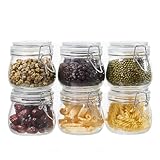
- 【Premium Glass Jars with Airtight Lids】These airtight glass jars feature a wire clip fastening system with clear preserving seals, locking in freshness and flavor. Ideal for dry goods and long-term food storage.
- 【Perfect Size: 17 oz Capacity – Set of 6】Each jar holds 17oz, just right for storing beans, flour, sugar, cereal, pasta, or snacks. Comes as a 6 pack to organize your kitchen efficiently.
- 【Durable & Safe Food Storage Containers】Made from thick, lead-free, glass food storage containers that are BPA-free, odor-resistant, and safe for everyday use.
- 【Multi-Purpose Glass Canisters for Kitchen & Pantry】Great for kitchen canning and pickling jars – also suitable for DIY jam, honey, kimchi, spices, and more. A functional and elegant solution for pantry storage jars.
- 【Stylish & Practical Storage Jars】Sleek square design saves space and looks beautiful on shelves. These glass storage jars are easy to stack and clean, combining utility with minimalist decor.
2. Lightly roast the beans (optional but recommended). Spread whole beans on a baking sheet and roast at a low temperature (around 250°F / 120°C) for 10-15 minutes. This can enhance the aroma and potentially make oil extraction easier. Let them cool completely.
- What “good” looks like: Beans are slightly fragrant, not burnt. They feel dry.
- Common mistake: Over-roasting, which burns the beans and creates bitter compounds. Keep an eye on them.
3. Grind the cooled beans. Use a coarse to medium grind. You want to break them up, but not turn them into powder. This increases the surface area for the oil to penetrate.
- What “good” looks like: A consistent, coarse grind. Think breadcrumbs, not flour.
- Common mistake: Grinding too fine, which can make straining difficult and lead to a cloudy oil.
4. Combine beans and carrier oil. Place the ground coffee into your clean glass jar. Pour enough carrier oil over the grounds to completely submerge them. Ensure there’s about an inch of oil above the coffee.
- What “good” looks like: All the coffee grounds are saturated and floating in oil.
- Common mistake: Not using enough oil, leaving some grounds exposed and potentially leading to spoilage or incomplete extraction.
5. Seal the jar. Tightly screw on the lid.
- What “good” looks like: A secure seal. No leaks.
- Common mistake: A loose lid, which can let in air and moisture, compromising the infusion.
6. Infuse the mixture. Place the jar in a warm, dark place for 2-4 weeks. Shake the jar gently every day or two.
- What “good” looks like: The oil gradually takes on a deeper color and coffee aroma.
- Common mistake: Placing it in direct sunlight, which can degrade the oil and the coffee compounds. Patience is key here.
7. Strain the oil. After the infusion period, carefully pour the mixture through a fine-mesh sieve lined with cheesecloth (if you have it) into a clean bowl or another jar. Squeeze gently to extract as much oil as possible. Discard the grounds.
- What “good” looks like: A clear, coffee-colored oil. Minimal sediment.
- Common mistake: Rushing the straining process, leaving too many grounds in the oil, which can affect shelf life and appearance.
8. Store the oil. Pour the strained coffee bean oil into a clean, dark glass bottle. Store it in a cool, dark place.
- What “good” looks like: The oil is stored properly to maximize its shelf life.
- Common mistake: Storing in a clear bottle or a warm spot, which can cause the oil to degrade faster.
Common mistakes (and what happens if you ignore them)
| Mistake | What it causes | Fix |
|---|---|---|
| Using stale or rancid carrier oil | Unpleasant smell, potential skin irritation, reduced shelf life of the coffee oil. | Always check the expiration date and smell of your carrier oil before using. |
| Not fully submerging coffee grounds | Incomplete extraction, potential for mold growth on exposed grounds. | Ensure grounds are completely covered by at least an inch of oil. |
| Straining too quickly or poorly | Cloudy oil, presence of fine grounds, shorter shelf life, gritty texture. | Use a fine-mesh sieve, consider cheesecloth, and allow gravity to do most of the work. |
| Storing coffee oil improperly | Degrades faster, loses aroma and potency, can go rancid. | Store in a dark glass bottle in a cool, dark place like a cupboard or pantry. |
| Using dirty equipment | Contamination, off-flavors, reduced shelf life, potential skin reactions. | Wash all jars, utensils, and straining tools thoroughly with hot, soapy water. |
| Excessive heat during infusion | Can “cook” the oil, degrade delicate compounds, and create a burnt smell. | Infuse at room temperature or in a very gently warmed environment (like a sunny windowsill). |
| Using coffee grounds instead of beans | Less potent oil, more sediment, potentially bitter notes. | Start with whole, fresh beans for best results. |
| Not labeling your finished product | Confusion about what it is, when it was made, or what carrier oil was used. | Always label your DIY products with the contents and date of creation. |
Decision rules (simple if/then)
- If you want a strong coffee aroma, then use freshly roasted whole beans because roasting brings out more aromatic compounds.
- If you’re sensitive to smells, then use a neutral carrier oil like fractionated coconut or jojoba oil because they won’t compete with the coffee scent.
- If you want to use the oil on your skin, then ensure your carrier oil is skin-safe and that you’ve strained the coffee oil thoroughly because sediment can be irritating.
- If you’re in a hurry, then this DIY method is probably not for you because it requires weeks of passive infusion.
- If you notice mold on your coffee grounds during infusion, then discard the batch immediately because it’s no longer safe to use.
- If you want to avoid potential bitterness, then don’t over-roast your beans and consider a shorter infusion time.
- If you’re unsure about the quality of your carrier oil, then it’s better to buy a fresh bottle because rancid oil will ruin your project.
- If you want to test the oil’s scent before fully committing, then do a small test batch first because it’s easier to scale up than to fix a large batch.
- If you’re considering using this for culinary purposes, then think again, as DIY extraction methods are not food-grade and flavor can be inconsistent.
- If you experience any skin irritation after using the oil, then discontinue use immediately because you might be sensitive to coffee or the carrier oil.
FAQ
Can I use used coffee grounds to make coffee bean oil?
You can, but it’s less ideal. Used grounds have already given up a lot of their oils and flavor compounds. You’ll likely get a weaker infusion and more sediment. Fresh beans are always best.
How long does homemade coffee bean oil last?
Stored properly in a dark glass bottle in a cool, dark place, it can last 6 months to a year. Keep an eye (and nose) out for any signs of rancidity, like a sour smell.
Is coffee bean oil good for skin?
Many people find it beneficial due to antioxidants and potential for improved circulation. It can help with exfoliation and may reduce the appearance of cellulite. Always do a patch test first.
Can I use alcohol to extract coffee bean oil?
Yes, you can use high-proof alcohol like Everclear for a tincture. This method extracts different compounds than oil infusion and results in a potent liquid. It’s not typically what people mean by “coffee bean oil” for topical use.
What’s the difference between coffee bean oil and coffee extract?
“Coffee bean oil” usually refers to an oil infusion or a pressed oil. “Coffee extract” can be made with different solvents (like alcohol or CO2) and pulls out a broader range of compounds, often resulting in a more concentrated product.
Why does my homemade coffee oil have sediment?
This is common with DIY infusions. It means your straining wasn’t fine enough. For topical use, you can let it settle and carefully decant the clear oil, or strain it again through a finer filter.
Can I use this oil for massage?
Yes, if you use a suitable carrier oil and strain it well. It can add a lovely aroma and potential skin benefits to a massage oil blend.
Is commercial coffee bean oil the same as DIY?
Not usually. Commercial producers often use CO2 extraction or hexane, which are more efficient and yield a purer, more concentrated product. DIY methods are simpler and safer for home use but less potent.
What this page does NOT cover (and where to go next)
- Commercial CO2 or hexane extraction methods. These require specialized equipment.
- Using coffee bean oil in food or beverages. DIY methods are not food-grade.
- Detailed scientific analysis of coffee bean oil compounds.
- Specific recipes for cosmetic formulations.
- Advanced techniques for coffee tinctures or hydrosols.