
Coffee and Digestion: When to Reconsider Your Intake
Quick answer
- Coffee can stimulate bowel movements for many people.
- If your coffee habit leads to discomfort, urgency, or diarrhea, it’s worth exploring alternatives.
- The caffeine, acidity, or even additives in your coffee could be the culprits.
- Trying different brew methods, coffee types, or reducing intake might help.
- Listen to your gut; it’s usually right about what it needs.
What this problem usually is (and is not)
- This is often about your body’s natural response to coffee’s compounds.
- It’s not usually a sign of a serious medical condition, but it’s not something to ignore if it impacts your quality of life.
- We’re talking about the digestive system’s reaction, not necessarily a true allergy.
- This isn’t about figuring out if coffee is “good” or “bad” in general, but if it’s good for you right now.
- The goal is to find a balance that works with your body, not against it.
Likely causes (triage list)
Caffeine Content:
- High caffeine levels can speed up digestion. Check the roast level and bean type. Lighter roasts often have more caffeine.
- Confirm if switching to decaf makes a difference. If it does, caffeine is likely the main driver.
Acidity:
- Coffee beans are acidic. This can irritate some stomachs. Darker roasts tend to be less acidic.
- Try cold brew coffee. It’s significantly less acidic than hot brewed coffee.
Additives and Milk:
- Cream, sugar, syrups, or milk can cause digestive upset, especially if you’re lactose intolerant.
- Experiment with black coffee or dairy-free alternatives.
Brewing Method:
- Some methods extract more compounds than others. For example, espresso is concentrated.
- Compare a quick espresso shot to a longer drip brew. See if one is easier on your system.
Gut Sensitivity:
- Some people are just more sensitive to coffee’s effects. It’s a personal thing.
- Pay attention to when you drink coffee and how much. Does it happen every time?
Timing of Consumption:
- Drinking coffee on an empty stomach can amplify its effects.
- Try having your coffee after a small breakfast.
Fix it step-by-step (brew workflow)
1. Assess Your Current Coffee: Note the bean type, roast level, and how you brew it.
- Good: You know exactly what you’re drinking and how it’s made.
- Mistake: Winging it. If you don’t know your starting point, you can’t adjust.
2. Try a Different Bean/Roast: Opt for a darker roast or a blend known for lower acidity.
- Good: The coffee tastes different, and you’re curious about the results.
- Mistake: Sticking with the same bag if it’s already causing issues.
3. Switch Brew Method: If you usually drip, try a French press, or vice-versa. Consider cold brew.
- Good: The coffee grounds are steeped or filtered differently, potentially changing extraction.
- Mistake: Assuming all brewing methods yield the same digestive impact.
4. Reduce Caffeine: Switch to a half-caff blend or decaf, at least temporarily.
- Good: You’re intentionally lowering the stimulant load.
- Mistake: Thinking decaf is always 100% caffeine-free; check the label.
5. Examine Additives: Ditch the sugary syrups, artificial sweeteners, or heavy cream.
- Good: You’re drinking your coffee closer to its natural state.
- Mistake: Blaming the coffee when it’s actually the latte you add.
6. Introduce Dairy-Free Milk: If you use dairy, try almond, oat, or soy milk.
- Good: You’re isolating potential lactose or casein issues.
- Mistake: Using sweetened or flavored plant milks, which add other variables.
7. Adjust Timing: Drink your coffee with or after a small meal.
- Good: You’re giving your stomach something to buffer the coffee.
- Mistake: Gulping it down first thing on an empty stomach.
8. Control Portion Size: Reduce the amount you drink in one sitting.
- Good: You’re lowering the total load on your system.
- Mistake: Thinking a large cup is the same as a small one.
9. Hydrate: Drink a glass of water before or after your coffee.
- Good: You’re helping to dilute stomach contents and stay hydrated.
- Mistake: Forgetting water and only focusing on the coffee itself.
10. Observe and Record: Keep a simple log of what you tried and how your body responded.
- Good: You have data to guide your next steps.
- Mistake: Making changes haphazardly without tracking results.
Prevent it next time
- Clean Your Coffee Maker Regularly: Buildup can affect taste and potentially introduce unwanted compounds. A good scrub every few weeks is key.
- Descale Periodically: Use a descaling solution as recommended by the manufacturer. This is especially important if you have hard water.
- Use Filtered Water: Better water equals better coffee and can reduce mineral buildup in your machine. Store unused water in a clean pitcher.
- Measure Your Coffee and Water: Consistency is crucial. Use a scale for accuracy. A good starting point is around 1:15 to 1:18 coffee to water ratio.
- Grind Fresh: Whole beans ground just before brewing offer the best flavor and can be adjusted for your preferred method.
- Use the Right Filter: Make sure your filter fits snugly and is the correct type for your brewer. Rinse paper filters before use.
- Check Machine Setup: Ensure all parts are clean and properly assembled. A loose basket can cause leaks and uneven extraction.
- Listen to Your Body: If a particular coffee or method consistently causes issues, don’t force it. Experiment.
- Don’t Over-Caffeinate: Be mindful of your total caffeine intake from all sources throughout the day.
- Safe Electrical Use: Always unplug the machine before cleaning and ensure it’s on a dry, stable surface.
For the freshest flavor and the ability to adjust grind size for different brewing methods, consider investing in a quality coffee bean grinder. Grinding fresh just before brewing can make a noticeable difference in both taste and how your coffee interacts with your digestive system.
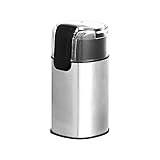
- Electric coffee bean grinder appliance for home use
- Can grind 30 grams/1 ounce of beans for drip coffee brewing in 10 seconds
- Grind coffee beans, herbs, spices, grains, nuts, and more
- Clear safety lid allows you to easily see the results in progress
- Heavy-duty stainless steel grind blade
Common mistakes (and what happens if you ignore them)
| Mistake | What it causes | Fix |
|---|---|---|
| Ignoring digestive signals | Persistent discomfort, bloating, urgency, or diarrhea. | Re-evaluate coffee intake, brew method, or ingredients. |
| Assuming all coffee is the same | Continuing to drink coffee that causes issues. | Experiment with different beans, roasts, and brew methods. |
| Not cleaning the coffee maker | Stale taste, potential for mold/bacteria, uneven extraction. | Follow cleaning and descaling schedules. |
| Using tap water without filtering | Scale buildup in the machine, affecting performance and taste. | Use a water filter or filtered water. |
| Over-tightening or not using a filter | Leaks, grounds in the cup, or over-extraction. | Ensure filter is seated correctly and not damaged. |
| Adding too much sugar/creamer | Masking coffee flavor, adding calories, and potentially causing lactose intolerance issues. | Gradually reduce or switch to alternative sweeteners/milks. |
| Drinking coffee on an empty stomach | Increased acidity and stimulant effects, leading to jitters or stomach upset. | Have coffee with or after a small meal. |
| Sticking to one brew method | Missing out on potentially gentler extraction methods like cold brew. | Try different brewing techniques to see what suits your gut best. |
| Not tracking changes | Confusion about what’s helping or hurting. | Keep a simple log of your coffee habits and reactions. |
Decision rules (simple if/then)
- If your coffee consistently causes urgency within 30 minutes, then consider reducing caffeine or switching to a decaf option because caffeine is a strong stimulant for the gut.
- If you experience stomach pain or heartburn, then try a darker roast or cold brew because they are generally less acidic.
- If adding milk or cream seems to be the trigger, then try black coffee or a dairy-free alternative because lactose or dairy proteins could be the issue.
- If you’ve tried multiple types of coffee and methods without improvement, then it might be time to significantly reduce your intake or take a break because your body might be particularly sensitive.
- If switching to decaf still causes issues, then the acidity or other compounds in the coffee, rather than caffeine, are likely the culprits.
- If your coffee maker is old and hasn’t been descaled, then cleaning and descaling might improve the taste and potentially reduce digestive upset from stale oils or mineral deposits.
- If you drink coffee first thing in the morning on an empty stomach, then try having it after a small breakfast because food can buffer the stomach lining.
- If you’re experiencing diarrhea, then cut back on the amount of coffee you drink per day because higher volumes can overwhelm the digestive system.
- If you notice jitters along with digestive issues, then caffeine is a likely factor, so consider a lower-caffeine option or a different stimulant.
- If your symptoms are severe or persistent, then it’s best to consult a doctor to rule out other underlying digestive issues.
FAQ
Q: Does coffee always make people poop?
A: Not everyone. Coffee stimulates the colon in many people, but it’s not a universal reaction. Some folks can drink it all day with no effect.
Q: Is it bad if coffee makes me poop?
A: It’s only “bad” if it’s causing discomfort, urgency, or diarrhea that interferes with your life. A normal bowel movement is a healthy bodily function.
Q: How quickly does coffee affect my digestion?
A: For many, the effects can start within minutes to an hour after consumption due to its stimulant properties.
Q: Can the temperature of the coffee matter?
A: Some people find that very hot or very cold beverages can stimulate the digestive tract differently. Experimenting with temperature might offer clues.
Q: What’s the difference between coffee making you poop and diarrhea?
A: A normal bowel movement is a predictable response. Diarrhea is typically more urgent, watery, and frequent, often accompanied by cramping.
Q: Should I switch to cold brew?
A: Cold brew is significantly less acidic than hot-brewed coffee and can be easier on some stomachs. It’s a good option to try if acidity is a concern.
Q: Is it the caffeine or something else in coffee causing this?
A: It can be caffeine, the acidity, the oils, or even the roasting compounds. It often takes some experimentation to pinpoint the exact cause for you.
Q: How much coffee is too much for my digestion?
A: This varies wildly. Start by reducing your intake and see if symptoms improve. For some, one cup is too much; for others, several are fine.
What this page does NOT cover (and where to go next)
- Specific medical diagnoses or treatment plans for digestive disorders. If you suspect a serious condition, see a healthcare professional.
- Detailed nutritional breakdowns of different coffee types or additives.
- Comparisons of specific coffee brands or brewing equipment.
- Advice on managing other digestive issues unrelated to coffee intake.
- Recommendations for prescription medications or supplements.