
Debunking Coffee Weight Loss Myths
Quick Answer
- While coffee itself isn’t a magic weight loss solution, certain compounds in it, like caffeine, can temporarily boost metabolism and suppress appetite.
- The “coffee loophole” often refers to specific diets or lifestyle changes that incorporate coffee, rather than coffee alone causing significant, sustainable weight loss.
- For most people, the effect of coffee on weight loss is modest and short-lived, especially when consumed with sugar or cream.
- Focusing on a balanced diet and regular exercise remains the most effective and healthy approach to weight management.
- Drinking black coffee may offer more benefits for weight management than coffee loaded with calories from additives.
- Consulting with a healthcare professional or registered dietitian is recommended for personalized weight loss advice.
Key Terms and Definitions
- Metabolism: The chemical processes that occur within a living organism in order to maintain life. In the context of weight loss, this refers to how efficiently your body burns calories.
- Caffeine: A stimulant found in coffee that can temporarily increase metabolic rate and energy expenditure.
- Appetite Suppressant: A substance that reduces the desire to eat. Caffeine can have a mild, temporary effect on appetite.
- Thermogenesis: The process by which the body generates heat, which burns calories. Caffeine can increase thermogenesis.
- Diuretic: A substance that promotes the production of urine, leading to increased fluid loss. While this can cause temporary weight reduction, it’s not fat loss.
- Adipose Tissue: Body fat. Sustainable weight loss involves reducing adipose tissue.
- Calorie Deficit: Consuming fewer calories than your body burns, which is essential for losing body fat.
- Empty Calories: Calories that provide little to no nutritional value, often found in added sugars and fats in beverages.
- Ketosis: A metabolic state where the body burns fat for energy instead of carbohydrates. Some “coffee loophole” diets claim to induce ketosis.
- Intermittent Fasting: An eating pattern that cycles between periods of voluntary fasting and non-fasting. Coffee is often consumed during fasting periods.
Caffeine is a key stimulant in coffee that can temporarily increase metabolic rate and energy expenditure. If you’re looking to maximize the potential benefits of caffeine for your metabolism, consider a high-quality caffeine supplement.
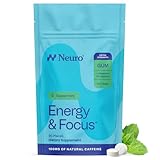
- Fast-Acting Nootropic - Our energy supplements deliver an extra boost of energy and clarity with a blend of natural caffeine, L-theanine, and vitamin b6 & b12. Your go-to chewing gum for work, exercise, and daily focus!
- Clean Energy - Each piece of our sugar free gum delivers 100mg of natural caffeine from green coffee beans for a smooth energy boost without crashes or jitters.
- The Perfect Balance - With 60mg of L-theanine per piece, our energy and focus formula promotes enhanced focus and stress reduction to smooth energy boosts.
- How to Use - Chew one piece of the caffeine gum whenever focus or energy is lacking. Ideal for mornings, pre-workout, or afternoon slumps. Effects typically kick in within minutes thanks to optimal absorption through the mouth.
- Made by Neuro, Backed by Science - At Neuro, we combine neuroscience with clean, science backed ingredients to help you do more, think better, and feel your best every single day.
How Coffee Affects Your Body and Weight
- Caffeine Stimulation: The primary active compound in coffee, caffeine, acts as a stimulant that can affect the central nervous system.
- Metabolic Boost: Caffeine can temporarily increase your resting metabolic rate, meaning your body burns slightly more calories even at rest. This effect is often modest and short-lived.
- Fat Mobilization: Caffeine may help break down body fat (adipose tissue) by signaling fat cells to release fatty acids into the bloodstream, making them available for energy.
- Hormonal Influence: Caffeine can influence hormones like adrenaline, which prepares your body for physical exertion and can further aid in fat breakdown.
- Appetite Modulation: Some individuals find that coffee can temporarily reduce their appetite, potentially leading to consuming fewer calories throughout the day.
- Thermogenic Effect: Coffee consumption can lead to a slight increase in thermogenesis, the body’s process of generating heat, which contributes to calorie expenditure.
- Diuretic Properties: Coffee is a mild diuretic, meaning it can increase urine production. This can lead to temporary water weight loss, but it’s not the same as losing body fat.
- Improved Physical Performance: By increasing energy levels and reducing perceived exertion, caffeine can enhance the effectiveness of workouts, indirectly supporting weight loss efforts.
- Gut Microbiome Interaction: Emerging research suggests that coffee compounds might interact with the gut microbiome, which plays a role in metabolism and weight regulation.
- Blood Sugar Regulation (Limited): Some studies indicate coffee might have a modest impact on insulin sensitivity, though this is not a primary mechanism for weight loss.
What Affects Coffee’s Impact on Weight Loss
- Brewing Method: Different brewing methods can extract varying amounts of beneficial compounds. For instance, cold brew might have a different profile than a standard drip coffee.
- Coffee Bean Quality and Roast: The origin, type, and roast level of coffee beans can influence the concentration of certain compounds, including caffeine and antioxidants.
- Amount of Coffee Consumed: While moderate consumption might offer slight benefits, excessive intake can lead to jitters, sleep disruption, and other adverse effects that hinder weight management.
- Additives (Sugar, Cream, Syrups): This is a major factor. Adding sugar, cream, flavored syrups, and whipped cream can turn a low-calorie beverage into a calorie-dense one, negating any potential weight loss benefits.
- Individual Sensitivity to Caffeine: People metabolize caffeine at different rates. Some may experience a noticeable metabolic boost, while others feel little to no effect.
- Timing of Consumption: Drinking coffee before a workout might enhance performance and calorie burn. Consuming it too late in the day can disrupt sleep, which is crucial for weight management.
- Dietary Context: Coffee’s impact is amplified or diminished by your overall diet. If you’re consuming a high-calorie diet, the metabolic boost from coffee will be insignificant.
- Hydration Levels: While coffee is a diuretic, it’s important to stay adequately hydrated. Dehydration can slow metabolism.
- Freshness of Coffee Grounds: Fresher coffee grounds generally retain more of their beneficial compounds and flavor.
- Genetics: Individual genetic makeup can influence how your body responds to caffeine and its effects on metabolism and fat storage.
- Lifestyle Factors: Stress levels, sleep quality, and physical activity all play a significant role in weight management and can interact with coffee’s effects.
- Digestive Health: The way your body digests and absorbs nutrients, influenced by your gut microbiome, can also play a role in how coffee impacts your overall system.
Pros, Cons, and When It Matters
- Pro: Temporary Metabolic Boost: Coffee, primarily through caffeine, can offer a short-term increase in calorie burning. This matters most when combined with exercise.
- Con: Modest and Short-Lived Effects: The metabolic and appetite-suppressing effects are generally not substantial enough for significant, long-term weight loss on their own.
- Pro: Appetite Suppression: For some, coffee can help curb hunger pangs, potentially leading to fewer snacks or smaller meals. This is useful for managing cravings.
- Con: Calorie Bomb Potential: Adding sugar, cream, and syrups quickly turns coffee into a high-calorie drink, counteracting any weight loss goals. This is critical to avoid if weight loss is the aim.
- Pro: Enhanced Workout Performance: Caffeine can improve endurance and reduce perceived exertion, leading to more effective workouts. This is a significant benefit for active individuals.
- Con: Sleep Disruption: Consuming coffee, especially later in the day, can interfere with sleep quality, which is vital for hormone regulation and weight management. This matters for everyone, but especially those with sleep issues.
- Pro: Antioxidant Properties: Coffee contains antioxidants that are beneficial for overall health, which indirectly supports a healthy lifestyle conducive to weight management.
- Con: Tolerance Development: The body can build a tolerance to caffeine, reducing its metabolic and alerting effects over time. This means the initial boost may diminish.
- Pro: Low-Calorie Base: Black coffee has very few calories, making it a good beverage choice compared to sugary sodas or juices. This is important for calorie-conscious individuals.
- Con: Diuretic Effect: While it can cause temporary water loss, it’s not fat loss and can lead to dehydration if not managed. This is a minor concern for most but can be an issue for those with specific health conditions.
- Pro: Part of Healthy Habits: Coffee can be incorporated into a balanced diet and exercise routine without derailing progress. It matters when it complements, rather than replaces, healthy habits.
- Con: Digestive Upset: Some individuals experience heartburn, acid reflux, or digestive discomfort from coffee, which can be a barrier to consistent consumption.
Common Misconceptions About Coffee and Weight Loss
- Myth: Coffee is a Miracle Fat Burner: While it can offer a slight boost, coffee alone is not a magic bullet for significant fat loss. Sustainable weight loss requires diet and exercise.
- Myth: Drinking Coffee Induces Ketosis: The “coffee loophole” often associated with ketogenic diets doesn’t mean coffee itself puts you in ketosis. It’s the overall diet that matters.
- Myth: Black Coffee Causes Weight Gain: Black coffee is extremely low in calories and is unlikely to cause weight gain. It’s the additions that contribute calories.
- Myth: Coffee Replaces the Need for Exercise: The metabolic boost from coffee is modest and temporary. It can complement exercise but cannot replace the calorie expenditure and health benefits of physical activity.
- Myth: More Coffee Means More Weight Loss: Excessive caffeine intake can lead to negative side effects like anxiety, insomnia, and digestive issues, which can hinder weight loss efforts.
- Myth: Coffee “Detoxifies” Your Body for Weight Loss: Coffee does not have detoxifying properties that directly lead to weight loss. The body has its own natural detoxification systems.
- Myth: Coffee is Bad for Your Metabolism: Moderate coffee consumption can actually provide a temporary metabolic boost, not a detrimental effect on metabolism.
- Myth: All “Coffee Loophole” Diets Work Because of Coffee: Many such diets incorporate other restrictive eating patterns or fasting, with coffee being a supporting element rather than the sole driver of weight loss.
- Myth: Coffee Has Significant Diuretic Effects That Lead to Fat Loss: While coffee is a mild diuretic, the fluid loss is temporary and does not equate to the loss of body fat.
- Myth: You Can Drink Unlimited Coffee and Still Lose Weight: Overconsumption can lead to health issues and disrupt sleep, both of which are counterproductive to effective weight management.
FAQ
- Q: Can drinking coffee help me lose weight?
A: Coffee, particularly the caffeine it contains, can offer a temporary boost to your metabolism and may slightly suppress appetite. However, these effects are modest and short-lived. Sustainable weight loss requires a consistent calorie deficit achieved through diet and exercise.
- Q: What is the “coffee loophole” for weight loss?
A: The term “coffee loophole” usually refers to specific dietary strategies or lifestyle changes that incorporate coffee, such as intermittent fasting or low-carbohydrate diets, rather than coffee itself being a magical solution. It’s about how coffee fits into a broader plan.
- Q: How much weight can I expect to lose from drinking coffee?
A: It’s not advisable to expect significant weight loss solely from drinking coffee. The metabolic effects are minor, and any temporary weight reduction from diuretic properties is water loss, not fat. Focus on overall healthy habits.
- Q: Is black coffee the best for weight loss?
A: Yes, black coffee is the best choice if you’re looking to leverage any potential weight management benefits. It contains very few calories. Adding sugar, cream, or flavored syrups can easily turn it into a high-calorie beverage that hinders weight loss.
- Q: How does caffeine affect my metabolism?
A: Caffeine is a stimulant that can temporarily increase your resting metabolic rate, meaning your body burns slightly more calories at rest. It can also help mobilize fatty acids for energy. This effect is generally small and varies by individual.
- Q: Can I drink coffee if I’m on a diet?
A: Yes, moderate consumption of black coffee can generally fit into most diets. Its low-calorie nature and potential to boost metabolism can be supportive. Just be mindful of what you add to it.
- Q: What are the risks of drinking too much coffee for weight loss?
A: Drinking excessive amounts of coffee can lead to anxiety, jitters, insomnia, digestive issues like heartburn, and increased heart rate. These side effects can negatively impact your overall health and hinder your ability to stick to a weight loss plan.
- Q: Does coffee help with appetite control?
A: For some individuals, caffeine can act as a mild appetite suppressant, potentially reducing feelings of hunger for a short period. This might help in consuming fewer calories during meals or between them.
- Q: Are there specific types of coffee that are better for weight loss?
A: The type of coffee bean or roast level generally has less impact than how you prepare and consume it. Black coffee, regardless of its origin or roast, is the best option. Avoid heavily sweetened or cream-laden coffee drinks.
- Q: Should I drink coffee before or after a workout for weight loss?
A: Drinking coffee about 30-60 minutes before a workout may help improve performance and increase calorie expenditure during the exercise session due to caffeine’s stimulant effects.
What This Page Does Not Cover (And Where to Go Next)
- Specific “Coffee Loophole” Diet Plans: This article debunks myths surrounding coffee and weight loss but does not outline specific diet plans that incorporate coffee. For such information, consult with a registered dietitian or nutritionist.
- Medical Advice for Weight Loss: This page provides general information. For personalized medical advice, diagnosis, or treatment related to weight loss or any health concerns, please consult a qualified healthcare professional.
- Detailed Nutritional Breakdown of Coffee: While we touched on compounds like caffeine, this article does not provide an exhaustive nutritional analysis of different coffee types or brewing methods.
- Scientific Research Studies on Coffee and Metabolism: For in-depth understanding of the scientific literature, you would need to refer to peer-reviewed scientific journals and research databases.
- Recipes for Coffee-Based Weight Loss Drinks: This article focuses on the impact of coffee itself and advises against high-calorie additions. Specific recipes are beyond its scope.