
Coffee and Digestion: Understanding the Urge to Poop
Quick answer
- Coffee can stimulate bowel movements due to its caffeine and acidity, which increase gut motility.
- The effect varies greatly among individuals; some experience it, others do not.
- This urge is a normal physiological response for many coffee drinkers.
- If the urge is sudden, intense, or accompanied by pain, it’s worth consulting a doctor.
- For those seeking to lessen the effect, decaf options or brewing adjustments might help.
- The timing of your coffee consumption can also influence when you feel the urge.
For those seeking to lessen the effect, decaf options or brewing adjustments might help. Consider trying decaffeinated coffee to see if it makes a difference for your digestion.
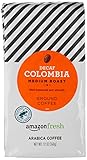
- Balanced, full-bodied medium roast with a smooth finish
- One 12-ounce bag of ground coffee
- Decaffeinated
- 100% Arabica coffee grown in Colombia
- Roasted and packed in the U.S.A.
What this problem usually is (and is not)
- This is often a normal, albeit sometimes surprising, physiological response to drinking coffee.
- It’s generally not a sign of illness or a problem with the coffee maker itself.
- This effect is primarily related to how your body processes the coffee, not the brewing method.
- It’s not a universal experience; many people drink coffee without any digestive changes.
- This is not about the coffee tasting bad or the machine malfunctioning; it’s about internal bodily responses.
- Avoid assuming it’s a serious medical issue unless accompanied by other concerning symptoms.
Likely causes (triage list)
Gastrocolic Reflex Stimulation:
- Caffeine: This stimulant is known to increase muscle contractions in the digestive tract. You can check if decaffeinated coffee has a similar effect for you.
- Acidity: The natural acids in coffee can also trigger digestive responses. Observing if darker roasts (often less acidic) change the effect can be telling.
Individual Sensitivity:
- Gut Microbiome: Your unique gut bacteria may react differently to coffee compounds. There’s no easy way to “check” this without professional analysis, but it’s a factor.
- Existing Digestive Conditions: Conditions like IBS can make you more sensitive to coffee’s effects. Consider if you have other digestive sensitivities.
Brewing and Coffee Type:
- Brewing Temperature: Extremely hot coffee might cause a more pronounced immediate reaction than lukewarm coffee. Observe the temperature of your brew.
- Coffee Bean Type and Roast: Different beans and roast levels have varying acidity and chemical compositions. Comparing different types of coffee can reveal patterns.
- Additives: Cream, sugar, or artificial sweeteners can also impact digestion independently of the coffee itself. Note what else you add to your cup.
Timing and Habits:
- Empty Stomach Consumption: Drinking coffee on an empty stomach can amplify its effects on digestion. Note if drinking it with food changes the outcome.
- Hydration Levels: Being dehydrated can sometimes make your digestive system more reactive. Ensure you’re adequately hydrated throughout the day.
Fix it step-by-step (brew workflow)
1. Start with Fresh, Cold Water:
- What to do: Fill your coffee maker’s reservoir with cold, filtered water.
- What “good” looks like: The water is clear and free of any visible particles.
- Common mistake: Using hot water or water that has been sitting in the reservoir for a long time. This can affect taste and potentially lead to mineral buildup. Always use fresh water for each brew.
2. Measure Your Coffee Grounds Accurately:
- What to do: Use a kitchen scale or a standard coffee scoop to measure your grounds. A common starting point is 1-2 tablespoons of grounds per 6 oz of water.
- What “good” looks like: Consistent measurement each time, leading to a balanced brew.
- Common mistake: Eyeballing the amount or using inconsistent scoops. Too much coffee can lead to over-extraction and bitterness, while too little results in a weak brew.
3. Select the Right Coffee Grind:
- What to do: Ensure your coffee is ground to the appropriate coarseness for your brew method. For most drip coffee makers, a medium grind is ideal.
- What “good” looks like: The grounds are uniform in size, resembling coarse sand.
- Common mistake: Using a grind that’s too fine (like for espresso) or too coarse (like for French press). Too fine a grind can clog the filter and over-extract, while too coarse can lead to under-extraction.
4. Insert the Filter Correctly:
- What to do: Place the paper or permanent filter into the brew basket, ensuring it’s seated properly. If using a paper filter, some people rinse it with hot water first to remove any papery taste.
- What “good” looks like: The filter is snug in the basket and doesn’t collapse during brewing.
- Common mistake: Not seating the filter properly, leading to grounds bypassing the filter and ending up in your coffee, or the filter collapsing and causing a mess.
5. Add Coffee Grounds to the Filter:
- What to do: Gently add your measured coffee grounds into the prepared filter.
- What “good” looks like: The grounds are evenly distributed within the filter.
- Common mistake: Piling the grounds unevenly or overfilling the basket. This can lead to uneven water flow and extraction.
6. Close the Brew Basket and Reservoir Lid:
- What to do: Securely close the brew basket and the lid covering the water reservoir.
- What “good” looks like: All parts of the machine are properly closed and ready for brewing.
- Common mistake: Leaving the lid ajar, which can affect the brewing temperature and water flow.
7. Place Carafe on the Warming Plate:
- What to do: Ensure the carafe is correctly positioned on the warming plate or drip-stop mechanism.
- What “good” looks like: The carafe is stable and aligned with the brew basket’s drip spout.
- Common mistake: Not placing the carafe correctly, which can prevent brewing from starting or cause coffee to spill.
8. Start the Brewing Cycle:
- What to do: Press the power or brew button to begin the coffee-making process.
- What “good” looks like: You hear the machine start to heat water and see it begin dripping into the carafe.
- Common mistake: Forgetting to press the button, or the machine not powering on due to a loose plug or power issue.
9. Brewing Process:
- What to do: Allow the machine to complete its full brewing cycle.
- What “good” looks like: The brewing stops, and the carafe is filled with hot coffee.
- Common mistake: Interrupting the brew cycle prematurely or allowing the machine to run dry.
10. Serve and Enjoy:
- What to do: Carefully pour your coffee into a mug.
- What “good” looks like: You have a fresh cup of coffee ready to drink.
- Common mistake: Pouring too quickly and potentially spilling, or drinking coffee that is too hot and risking burns.
Prevent it next time
- Clean Your Coffee Maker Regularly: Aim for a thorough cleaning weekly and descaling every 1-3 months, depending on your water hardness. Check your manual for specific instructions.
- Use Filtered Water: Employing filtered water reduces mineral buildup in your machine and can improve coffee taste. Store unused water in a clean, sealed container.
- Maintain the Correct Coffee-to-Water Ratio: Stick to recommended ratios (e.g., 1:15 to 1:18 coffee to water by weight) for balanced extraction.
- Grind Coffee Freshly: Grinding beans just before brewing preserves flavor and aroma, and allows for precise grind size control.
- Use the Right Grind Size: Ensure your grind matches your brewing method to prevent over or under-extraction.
- Rinse Paper Filters (Optional): If using paper filters, a quick rinse with hot water can remove papery taste.
- Consider Decaf or Lower-Acid Beans: If you’re sensitive, switching to decaffeinated coffee or darker roasts (often less acidic) might help.
- Don’t Brew on an Empty Stomach: For some, drinking coffee with food can mitigate its digestive effects.
- Check Machine Seals and Gaskets: Periodically ensure all parts of your machine are properly sealed and free from damage.
- Practice Basic Electrical Safety: Always unplug the machine before cleaning and ensure the power cord is in good condition.
Common mistakes (and what happens if you ignore them)
| Mistake | What it causes | Fix |
|---|---|---|
| Using stale coffee beans | Weak, bitter, or sour coffee; reduced aroma and flavor. | Purchase whole beans and grind them just before brewing. Store beans in an airtight container away from light and heat. |
| Incorrect grind size | Over-extraction (bitter) or under-extraction (weak, sour); grounds in your cup. | Use a grind appropriate for your brewing method (e.g., medium for drip, coarse for French press). Adjust grind size based on taste. |
| Not cleaning the coffee maker regularly | Mineral buildup (scale), which can affect performance and taste; mold or bacteria growth; clogged brew basket. | Follow a regular cleaning schedule: wipe down daily, deep clean weekly, and descale every 1-3 months. Check your machine’s manual for specific instructions. |
| Using tap water with high mineral content | Scale buildup in the machine, affecting heating element efficiency and coffee taste; gritty texture. | Use filtered or bottled water. Descale the machine regularly to remove accumulated minerals. |
| Overfilling the brew basket | Uneven water flow, leading to poor extraction; grounds overflowing the filter and into the carafe. | Measure coffee grounds accurately and do not exceed the basket’s capacity. |
| Not preheating the carafe or mug | Coffee cools down too quickly, impacting taste and perceived quality. | Pour a little hot water into your mug or carafe and swirl it around before brewing. Discard the hot water before adding coffee. |
| Leaving brewed coffee on the warming plate | Burnt or stale taste; coffee degrades over time. | Transfer brewed coffee to a thermal carafe or insulated mug if not drinking immediately. Turn off the warming plate if you won’t be drinking it soon. |
| Using old, worn-out filters | Coffee grounds can bypass the filter, leading to sediment in your cup; potential leaks or poor fit. | Replace disposable paper filters with each brew. Clean and inspect permanent filters regularly for damage. |
| Not ensuring proper water flow | Inconsistent brewing temperature; potential for the machine to overheat or under-extract. | Make sure the water reservoir is filled correctly and the brew basket is properly seated. Check for blockages in the machine’s internal pathways. |
Decision rules (simple if/then)
- If you experience a sudden, intense urge to poop immediately after drinking coffee, then consider trying decaffeinated coffee because caffeine is a known stimulant of the digestive system.
- If your coffee tastes bitter, then your grind might be too fine or you may be over-extracting because finer grinds have more surface area for faster extraction.
- If your coffee tastes weak and sour, then your grind might be too coarse or you may be under-extracting because coarser grinds have less surface area for slower extraction.
- If you see grounds in your coffee, then your filter may not be seated correctly or your grind is too fine because grounds can escape if there are gaps or the grind is too small to be held by the filter.
- If your coffee maker is making strange noises or brewing slowly, then it likely needs descaling because mineral buildup can impede water flow and heating.
- If you experience stomach upset or heartburn after drinking coffee, then try a darker roast or a less acidic bean because darker roasts are often less acidic.
- If you notice a papery taste in your coffee, then rinse your paper filter with hot water before adding grounds because this can remove residual paper taste.
- If you feel the urge to poop soon after drinking coffee, and you’ve ruled out other factors, then it’s likely a normal gastrocolic reflex response because coffee stimulates gut motility.
- If you’re adding a lot of milk, cream, or sugar to your coffee, and experiencing digestive issues, then consider if these additives might be contributing because they can also affect digestion.
- If your coffee tastes “off” and you haven’t changed your beans, then clean your coffee maker because residue can build up and impart unpleasant flavors.
- If you are concerned about the frequency or intensity of your bowel movements after coffee, then consult a healthcare professional because they can assess your individual situation and rule out underlying medical conditions.
FAQ
Does the type of coffee bean affect digestion?
Yes, different beans have varying acidity levels. Some people find that darker roasts, which are generally less acidic, cause fewer digestive issues than lighter roasts.
Is it normal to feel the urge to poop after drinking coffee?
For many people, yes. Coffee can stimulate the gastrocolic reflex, which is the body’s natural response to eating or drinking that increases bowel activity.
How does caffeine impact digestion?
Caffeine is a stimulant that can increase muscle contractions in your digestive tract, speeding up the passage of food and waste.
Can brewing temperature affect digestive responses?
While less common, some individuals might be more sensitive to very hot beverages, which could theoretically amplify digestive reflexes. However, the primary factors are usually the coffee’s chemical composition.
What is the gastrocolic reflex?
It’s a normal physiological response where the presence of food or drink in the stomach triggers increased activity in the colon, often leading to a bowel movement.
Should I switch to decaf if coffee bothers my stomach?
If you suspect caffeine is the culprit, decaf coffee is a good option to try. While decaf still contains trace amounts of caffeine, it’s significantly less and may resolve digestive discomfort.
Does drinking coffee on an empty stomach make a difference?
Yes, for some, drinking coffee on an empty stomach can intensify its effects on digestion compared to drinking it with food.
How can I reduce the likelihood of needing to poop after coffee?
You can try switching to decaf, choosing less acidic beans, brewing at a slightly lower temperature, or drinking your coffee with food.
Is it possible that my coffee maker is causing this?
It’s highly unlikely that the coffee maker itself is directly causing the urge to poop. The effect is primarily due to the coffee’s ingredients and your body’s response to them.
What this page does NOT cover (and where to go next)
- Detailed medical advice for persistent digestive issues. (Consult a healthcare professional.)
- Specific troubleshooting for advanced espresso machine problems. (Refer to your espresso machine’s manual or manufacturer support.)
- In-depth analysis of coffee bean varietals and their chemical compounds. (Explore specialty coffee resources.)
- Recipes for coffee-based drinks beyond basic brewing. (Look for coffee recipe blogs or books.)
- Comparisons of different coffee maker brands and models. (Check consumer review sites or coffee-focused publications.)