
Does Coffee Worsen Pregnancy Nausea?
Quick answer
- Caffeine, a main component of coffee, can impact your digestive system.
- For some pregnant people, caffeine might slow digestion, potentially worsening nausea.
- Others find coffee’s aroma or ritual calming, offering a temporary distraction.
- It really depends on your individual body and how you react to caffeine.
- Decaf coffee is an option if you love the taste but want to avoid caffeine’s effects.
- Listen to your body; if coffee seems to trigger or worsen nausea, it’s probably best to cut back or switch.
Key terms and definitions
- Caffeine: A natural stimulant found in coffee beans, tea leaves, and cocoa. It’s known for its energizing effects.
- Pregnancy Nausea: Commonly known as “morning sickness,” this is nausea and vomiting that can occur at any time of day during pregnancy.
- Gastrointestinal System: The organs responsible for digesting food and absorbing nutrients, including the stomach and intestines.
- Stimulant: A substance that increases activity in the central nervous system or the body.
- Decaffeination: The process of removing most of the caffeine from coffee beans.
- Acid Reflux: A condition where stomach acid flows back into the esophagus, causing heartburn.
- Digestive Motility: The rate at which food moves through your digestive tract.
- Dehydration: A condition where your body loses more fluid than it takes in.
- Triggers: Factors that can cause or worsen a symptom, like nausea.
- Individual Sensitivity: How a person’s body uniquely responds to certain substances or stimuli.
How it works
- Coffee contains caffeine, a known stimulant.
- Caffeine can increase stomach acid production.
- For some, this extra acid can irritate the stomach lining.
- It can also affect how quickly your stomach empties.
- Slower stomach emptying means food stays around longer, which can sometimes lead to discomfort.
- This discomfort can manifest as feelings of fullness or even nausea.
- The aroma of coffee can also play a role; for some, it’s comforting, for others, it’s a trigger.
- The ritual of making and drinking coffee can be a calming routine.
- However, the stimulating effects might interfere with sleep, which can worsen overall fatigue and nausea.
- Basically, it’s a mix of chemical and sensory reactions in your body.
What affects the result
- Your body’s sensitivity to caffeine: Some folks are just more affected than others.
- How much coffee you drink: A small cup might be fine; a giant mug might not.
- Whether it’s regular or decaf: Decaf still has trace amounts of caffeine, but much less.
- What else you’ve eaten: Drinking coffee on an empty stomach can hit harder.
- Your hydration levels: Being dehydrated can make any stomach upset worse.
- The temperature of the coffee: Some people find hot drinks more irritating.
- The strength of the brew: A more concentrated coffee might have a stronger effect.
- Your overall stress levels: Stress can amplify any existing digestive issues.
- Hormonal changes during pregnancy: These are a huge factor in nausea itself.
- Genetics: Your inherited traits play a part in how your body processes things.
- Any pre-existing digestive conditions: Things like GERD can be sensitive to coffee.
- The time of day you drink it: Morning might be rougher for some.
Understanding your body’s unique response to caffeine, perhaps through a caffeine sensitivity test, can help you make informed choices during pregnancy.
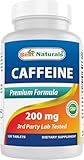
- 3rd Party Lab Tested for Purity & Quality.
- 200 mg of Caffeine per Tablet - 120 Tablets per Bottle.
- Non-GMO & Gluten-Free.
- Proudly Made in USA, GMP Compliant, FDA Registered Facility.
- No Artificial Color, Flavor, or Sweetener, No Preservatives, No Sugar, No Milk, No Corn, No Soy, No Egg, No Lactose, No Gluten, No Wheat, No Yeast, No Fish. Sodium Free.
Pros, cons, and when it matters
- Pro: The familiar taste and aroma can be comforting.
- Con: Caffeine can potentially slow digestion, leading to nausea.
- Pro: A small amount of caffeine might offer a temporary energy boost.
- Con: Increased stomach acid from coffee can irritate an already sensitive stomach.
- Pro: The ritual of a morning cup can be a grounding part of your routine.
- Con: Coffee can sometimes trigger acid reflux, which is already common in pregnancy.
- Pro: Decaf is an option to enjoy the flavor without the full caffeine punch.
- Con: Caffeine’s diuretic effect could contribute to dehydration if fluid intake isn’t managed.
- Pro: It might offer a brief distraction from other pregnancy symptoms.
- Con: If nausea is severe, even the smell of coffee might become unpleasant.
- When it matters: This is crucial when you’re trying to find ways to manage daily discomfort.
- When it matters: It’s important for maintaining a balanced diet and hydration.
- When it matters: Knowing your triggers helps you make informed choices about what you consume.
Common misconceptions
- Myth: All coffee will definitely make pregnancy nausea worse.
- Reality: It varies wildly from person to person. Some sail through with coffee; others can’t stand it.
- Myth: Decaf coffee is completely caffeine-free.
- Reality: Decaf still contains small amounts of caffeine, usually around 2-3%.
- Myth: The only issue with coffee is caffeine.
- Reality: Acidity and aroma can also play a role in how you feel.
- Myth: If you drank coffee before pregnancy without issues, you’ll be fine now.
- Reality: Pregnancy changes your body’s responses dramatically.
- Myth: Coffee causes morning sickness.
- Reality: Morning sickness is complex; coffee might exacerbate it for some, but it’s not usually the sole cause.
- Myth: You must cut out all coffee immediately.
- Reality: Gradual reduction or switching to decaf is often more manageable.
- Myth: Coffee is always bad during pregnancy.
- Reality: Moderate caffeine intake is generally considered safe by many health organizations, but individual reactions to nausea are key.
- Myth: The smell of coffee is the main problem.
- Reality: While aroma can be a trigger, the internal effects of caffeine and acidity are also significant.
FAQ
- Can I drink coffee while pregnant?
Generally, moderate caffeine intake is considered safe during pregnancy. The American College of Obstetricians and Gynecologists suggests up to 200 mg of caffeine per day is usually fine. However, if you’re experiencing nausea, you’ll want to pay close attention to how coffee affects you.
- How much caffeine is in a cup of coffee?
This varies a lot. A typical 8-oz cup of brewed coffee can have anywhere from 95 to 200 mg of caffeine. Espresso shots have more concentrated caffeine but are usually consumed in smaller volumes.
- What if coffee makes my nausea worse?
If you notice a connection between drinking coffee and increased nausea, it’s best to cut back or switch to decaf. You might also try drinking coffee with food or at a different time of day, but if it’s still a problem, abstaining is the simplest solution.
- Is decaf coffee a good alternative?
Yes, decaf is a great option if you enjoy the taste and ritual of coffee but are concerned about caffeine’s effects on your nausea. It significantly reduces caffeine intake while still offering that familiar flavor.
- Are there other drinks that might affect nausea?
Yes, other caffeinated beverages like tea and some sodas can have similar effects. Even very sweet or very acidic drinks might be triggers for some individuals.
- When should I talk to my doctor about my nausea?
You should always talk to your doctor about any concerns you have regarding pregnancy symptoms. If your nausea is severe, persistent, or preventing you from keeping food and fluids down, seek medical advice immediately.
- Can the smell of coffee cause nausea?
For some people, yes. Pregnancy heightens senses for many, and strong smells, including coffee, can be a significant trigger for nausea.
- Does coffee affect digestion during pregnancy?
Caffeine can affect digestive motility and increase stomach acid. For some pregnant individuals, this can slow digestion or cause irritation, potentially worsening nausea or heartburn.
If coffee is impacting your digestion, exploring gentle digestive health supplements, after consulting your doctor, might offer some relief.

- Powerful Digestive Support: MassZymes delivers 320,000 units of protein-digesting enzymes (bromelian, amylase, lipase, protease) per capsule, optimizing digestion, reducing bloating, and maximizing nutrient absorption for better gut health.
- Boost Energy & Clarity: Improve digestion, reduce sluggishness, and unlock sustained energy. Enhanced nutrient absorption supports sharpness and helps you feel lighter and more energized.
- Faster Muscle Recovery: Designed for athletes and high-performers, MassZymes accelerates muscle repair and reduces soreness by maximizing protein breakdown for quicker recovery and peak performance using bromelian, amylase, lipase, and protease.
- Clean, Potent Formula: 100% plant-based and vegan-friendly, with no dairy, soy, or fillers. Each capsule works in any stomach environment, ensuring effective digestion from start to finish.
What this page does NOT cover (and where to go next)
- Specific recommendations on daily caffeine limits for all pregnancies. (Consult your healthcare provider for personalized advice.)
- Detailed scientific studies on caffeine metabolism during gestation. (Explore medical journals or reputable health websites.)
- Brand-specific comparisons of decaffeinated coffee products. (Look for product reviews or consumer guides.)
- Recipes for pregnancy-safe beverages that don’t contain coffee. (Search for general pregnancy nutrition or mocktail resources.)
- Treatment plans for severe hyperemesis gravidarum. (This requires professional medical diagnosis and care.)