
Choosing a Quality Coffee Maker: What to Consider
Quick answer
- Think about how much coffee you drink.
- Consider your budget.
- Decide on your preferred brew method.
- Look at ease of cleaning.
- Space on your counter matters.
- Do you want fancy features or simple operation?
Buying Priorities for Your Coffee Maker
- Brew Method: This is huge. Drip, pour-over, espresso, French press – they all taste different. Pick what you like.
- Capacity: How many cups do you brew at once? Single serve, a small pot, or a big family-sized carafe?
- Ease of Use: Are you a morning zombie? Get something straightforward. If you’re a coffee nerd, maybe a bit more involved is fine.
- Cleaning: Nobody likes scrubbing. Look for dishwasher-safe parts or simple designs. A clean machine makes better coffee.
- Durability: You want it to last, right? Stainless steel is often a good sign. Check reviews for long-term performance.
- Temperature Control: Consistent heat is key for good extraction. Some machines have adjustable temps, others are pretty basic.
- Filter Type: Paper filters offer a cleaner cup. Metal filters let more oils through, giving a richer flavor.
- Budget: Coffee makers range from cheap to ridiculously expensive. Set a realistic price.
- Footprint: Counter space is prime real estate. Measure before you buy.
- Noise Level: Some grinders and brewing cycles can be loud. If you’re sensitive, check this out.
Feature Comparison for Coffee Makers
- Brew Method: Drip, pour-over, espresso, French press, cold brew, single-serve pod systems.
- Capacity: Single cup, 4-cup, 10-cup, 12-cup, 14-cup carafes.
- Temperature Control: Basic (pre-set), adjustable (e.g., 195-205°F), or integrated with specific brew methods.
- Filter Type: Paper (cone or basket), permanent metal (gold-tone or stainless steel), or no filter (French press).
- Cleaning: Removable parts (carafe, brew basket), descaling function, dishwasher-safe components.
- Footprint: Compact (under 10 inches wide), medium (10-14 inches), large (over 14 inches).
- Programmability: Auto-start timer, brew strength adjustment, keep-warm function.
- Grinder: Built-in burr grinder, blade grinder, or no grinder (requires separate grinder).
- Carafe Material: Glass (often with a warming plate), thermal stainless steel (keeps coffee hot longer without scorching).
- Water Reservoir: Removable for easy filling, fixed, or plumbed-in (for high-end machines).
- Milk Frothing: Integrated steam wand, separate frother, or none.
- Smart Features: Wi-Fi connectivity, app control, voice assistant integration.
How to Choose Your Coffee Maker Step-by-Step
1. Define Your Daily Coffee Habit:
- What to do: Think about how many cups you drink on an average day, and if you usually brew for yourself or others.
- What “good” looks like: You can comfortably make enough coffee for your needs without wasting beans or running the machine multiple times unnecessarily. For a single person, a 4-cup might be plenty. A family might need 10-12 cups.
- Common mistake: Buying a huge machine when you only drink one cup. Or getting a tiny one that’s always running on overdrive.
- How to avoid it: Be honest about your consumption. If you sometimes make more, get a slightly larger capacity than your absolute minimum.
2. Set Your Budget:
- What to do: Decide how much you’re willing to spend. Coffee makers can range from $20 to $500+.
- What “good” looks like: You find a machine that meets your core needs within your budget, without breaking the bank. A solid drip machine can be found for under $100.
- Common mistake: Overspending on features you’ll never use, or buying the cheapest option only to have it break quickly.
- How to avoid it: Research the average price for the type of machine you want. Prioritize essential features over bells and whistles if budget is tight.
3. Pick Your Brew Method:
- What to do: Consider the taste profiles you enjoy. Do you like a clean, bright cup or a rich, full-bodied one?
- What “good” looks like: You choose a method that consistently produces coffee you love. Drip for convenience, French press for body, pour-over for control.
- Common mistake: Assuming all coffee makers make the same kind of coffee.
- How to avoid it: Try coffee made with different methods at cafes or friends’ houses before you commit.
If you want a consistently clean cup with minimal sediment, then a drip coffee maker with a paper filter is a great choice.
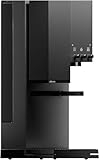
- 1. Three Levels of Automation for Any Skill Level: Choose from Autopilot, Copilot, or Free Solo mode. Autopilot handles the entire brewing process automatically. Copilot provides step-by-step guidance. Free Solo gives you full manual control. This coffee machine works for beginners and professional baristas alike.
- 2. Intuitive User Interface with Tactile Knobs and LED Matrix: The Studio features physical control knobs and a clear LED Matrix display. You can adjust grind size, water temperature, and flow rate in real time without navigating complicated touchscreen menus.
- 3. Full Customization via the xBloom App: Use the xBloom app to create, adjust, save, and share your favorite coffee recipes. Every brewing parameter can be fine-tuned and synced to the machine instantly. Your perfect cup is saved and repeatable.
- 4. Compostable xPod System for Minimal Waste and Maximum Flavor: Each xPod contains carefully selected whole beans and a built-in filter. Tap the recipe card, pour the beans into the grinder, place the pod into the dock, and press start. No capsules, no extra paper filters, no unnecessary waste.
- 5. What Is Included in the Box: The package includes the xBloom Studio, Omni Dripper 2 with Hyperflow Bottom, 10 paper filters, xPod Dock, Magnetic Dosing Cup, default recipe card, quick start guide, cleaning brush, universal power cord, and a 2-Year xbloom brand warranty. Everything you need is included—along with long-term peace of mind.
If you prefer a rich, full-bodied coffee and don’t mind a little extra effort, then a French press is a good choice because it allows coffee oils to pass through for maximum flavor.

- Wash in warm, soapy water before first use and dry thoroughly
- Not for stovetop use
- Turn lid to close spout
- Easy-to-clean glass carafe
4. Evaluate Counter Space:
- What to do: Measure the available space where you plan to put your coffee maker.
- What “good” looks like: The machine fits comfortably, with enough room for easy access to the water reservoir and brew basket, and perhaps a bit of clearance above.
- Common mistake: Buying a machine that’s too tall to fit under cabinets or too wide for your designated spot.
- How to avoid it: Measure your space first. Check the dimensions listed by the manufacturer.
5. Consider Cleaning Effort:
- What to do: Look at the machine’s design and read reviews regarding cleaning.
- What “good” looks like: Key parts like the brew basket and carafe are easy to remove and clean, ideally dishwasher-safe. Simple designs with fewer nooks and crannies are a plus.
- Common mistake: Underestimating how often you’ll need to clean it, leading to stale coffee and potential mold.
- How to avoid it: Prioritize machines with removable, dishwasher-safe components. Look for a descaling function if you have hard water.
6. Decide on Must-Have Features:
- What to do: List any specific functionalities you absolutely need (e.g., programmable timer, temperature control, built-in grinder).
- What “good” looks like: You find a machine that includes your essential features without adding unnecessary complexity or cost.
- Common mistake: Getting seduced by fancy features you don’t need, which can increase the price and complexity.
- How to avoid it: Stick to your core list. You can always upgrade later if you find you truly miss a feature.
7. Check for Durability and Build Quality:
- What to do: Read user reviews focusing on how long machines last and any common issues. Look at materials used.
- What “good” looks like: The machine feels sturdy, uses quality materials (like stainless steel or BPA-free plastics), and has a track record of reliability.
- Common mistake: Buying a flimsy machine that feels cheap and breaks after a year.
- How to avoid it: Invest a little more in a brand known for quality or check reviews specifically mentioning longevity.
8. Think About Filter Preference:
- What to do: Decide if you prefer the clean cup from paper filters or the richer taste from metal filters.
- What “good” looks like: The machine supports your preferred filter type, or you’re happy with the alternative. Paper filters are cheap and easy. Metal filters are reusable.
- Common mistake: Not realizing your chosen machine only uses a specific, expensive filter type.
- How to avoid it: Confirm the filter type and availability. Some machines come with both.
Common Mistakes (and what happens if you ignore them)
| Mistake | What it causes | Fix |
|---|---|---|
| Buying based solely on looks | Poor performance, inconvenient features, or a short lifespan. | Prioritize function and reviews over aesthetics. |
| Not considering brew temperature | Under-extracted (sour) or over-extracted (bitter) coffee. | Look for machines that maintain optimal brewing temps (around 195-205°F). |
| Ignoring cleaning requirements | Stale coffee, mineral buildup, mold, and reduced machine lifespan. | Choose machines with easy-to-clean parts and run a descaling cycle regularly. |
| Using the wrong grind size for the method | Weak, watery coffee (too coarse) or bitter, clogged brew (too fine). | Match your grinder setting to your brew method (e.g., coarse for French press, fine for espresso). |
| Not preheating the carafe | Coffee cools down too quickly, especially in glass carafes. | Rinse the carafe with hot water before brewing, or use a thermal carafe. |
| Overfilling the water reservoir | Spills, potential damage to the machine, or uneven brewing. | Fill to the indicated line and avoid splashing. |
| Using stale coffee beans | Flat, lifeless coffee with no aroma or flavor. | Buy fresh beans and grind them just before brewing. |
| Not checking dimensions for counter space | Machine doesn’t fit, or looks crammed and is hard to use. | Measure your space and check machine dimensions before purchasing. |
| Assuming all “automatic drip” is equal | Inconsistent brew quality, poor temperature control, or weak coffee. | Research specific drip machine models and their brewing technology. |
| Forgetting about filter costs/availability | Running out of filters or paying too much for specialized ones. | Check filter type and cost before buying. Opt for reusable filters if possible. |
Decision Rules (Simple If/Then)
- If you drink coffee alone and want it fast, then consider a single-serve brewer or a small 4-cup drip machine because they heat quickly and brew small batches.
- If you prefer a rich, full-bodied coffee and don’t mind a little extra effort, then a French press is a good choice because it allows coffee oils to pass through for maximum flavor.
- If counter space is extremely limited, then look for a compact pour-over setup or a slim profile drip machine because they take up minimal room.
- If you want a consistently clean cup with minimal sediment, then use a drip coffee maker with a paper filter because it traps most of the coffee oils and fines.
- If you’re often running late in the morning, then a programmable drip coffee maker is essential because you can set it to brew before you wake up.
- If you enjoy the ritual of coffee making and want control over every variable, then a manual pour-over system is ideal because it gives you complete command over water temperature, pour rate, and bloom time.
- If you have hard water, then choose a coffee maker with a descaling function or one that’s easy to manually descale because mineral buildup can ruin your machine and your coffee.
- If budget is your primary concern, then a basic, no-frills drip coffee maker is your best bet because they are the most affordable and straightforward.
- If you want to brew multiple cups for a household or office, then a 10-12 cup drip coffee maker is the way to go because it efficiently handles larger volumes.
- If you’re serious about espresso and willing to invest, then a semi-automatic or manual espresso machine is what you’ll need because they offer the most control over extraction.
- If you want hot coffee without the burnt taste of a warming plate, then opt for a thermal carafe coffee maker because it insulates the coffee naturally.
FAQ
Q: How hot should my coffee maker brew?
A: For optimal extraction, coffee should be brewed between 195°F and 205°F. Many basic machines don’t hit this range, so check specs or reviews if it’s important to you.
Q: Is a built-in grinder worth it?
A: It can be convenient, yes. But separate grinders, especially burr grinders, usually offer more consistent grind sizes, which leads to better coffee.
Q: What’s the difference between a glass and a thermal carafe?
A: Glass carafes sit on a warming plate, which can scorch coffee over time. Thermal carafes use insulation to keep coffee hot for hours without the warming plate.
Q: How often should I clean my coffee maker?
A: Daily cleaning of the brew basket and carafe is recommended. A deeper descaling clean should happen every 1-3 months, depending on your water hardness and usage.
Q: Can I use any coffee filter?
A: Generally, no. Drip machines use either cone or basket filters, and you need to match the shape. Pod machines only use their specific pods.
Q: Is expensive coffee maker coffee really better?
A: Not always. While higher-end machines can offer better temperature control and grind consistency, a good quality bean and a proper brewing technique on a decent machine will yield great results.
Q: What does “bloom” mean in coffee brewing?
A: The bloom is the initial release of CO2 gas when hot water first hits fresh coffee grounds. Letting it bloom for about 30 seconds before continuing to brew can improve flavor.
Q: Are pod coffee makers good?
A: They are convenient and fast, great for single servings. However, they can be more expensive per cup, generate more waste, and offer less control over brew quality compared to other methods.
What this page does NOT cover (and where to go next)
- Specific brand recommendations. (Next: Research top-rated brands for your chosen brew method).
- Detailed guides on advanced brewing techniques like siphon or AeroPress. (Next: Explore specialized brewing guides for enthusiasts).
- The science behind coffee bean roasting and sourcing. (Next: Look into articles on coffee origins and roasting profiles).
- How to repair a malfunctioning coffee maker. (Next: Check manufacturer support or appliance repair forums).
- Comparisons of different types of coffee grinders. (Next: Read up on burr vs. blade grinders and their impact).