
Can You Make Coffee Using Cold Water?
Quick answer
- Yes, you can make coffee with cold water, but it’s a different beast.
- Cold brew coffee is the prime example. It takes time.
- Hot water is standard for most brewing methods because it extracts flavor faster.
- Using cold water in a standard drip machine will likely result in weak, sour coffee.
- You’ll need a specific cold brew setup or a very patient approach.
- Don’t expect a quick cup this way.
Who this is for
- The adventurer who likes to experiment in the kitchen.
- Anyone looking for a less acidic coffee experience.
- Folks who want to prep coffee the night before and wake up to it.
What to check first
- Brewer type and filter type: Are you using a dedicated cold brew maker, a French press, or something else? Most standard drip machines aren’t built for cold water. Paper filters can work, but cloth or metal filters are common for cold brew.
- Water quality and temperature: Even with cold water, good quality water matters. Filtered water is always best. The “cold” in cold brew usually means room temperature or just chilled, not ice-cold.
- Grind size and coffee freshness: For cold brew, you’ll want a coarse grind. Think sea salt. Pre-ground coffee goes stale fast, so fresh beans, ground right before brewing, are key for any method, especially cold.
- Coffee-to-water ratio: Cold brew needs a higher coffee-to-water ratio than hot coffee. You’re essentially making a concentrate. A common starting point is 1:4 to 1:8 (coffee to water by weight).
- Cleanliness/descale status: Even if you’re not heating anything, a clean brewer prevents old coffee oils from ruining your fresh brew. A quick rinse is usually enough.
When considering your brewer and filter type, remember that cloth or metal filters are often preferred for cold brew over paper filters for a cleaner taste and less sediment. You might want to explore reusable coffee filters cloth for an eco-friendly option.
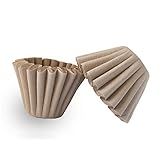
- HIGHT QUILTY - Sturdy sides won't collapse during brewing. This minimizes coffee grounds getting into your coffee.
- SIZE - Made to fit coffee makers from 1 cup up to 4 cup. The dimensions of this filter are: Base Diameter 1.99", Side Height 2.75".
- WIDE COMATIBILITY RANGE-Value pack of 50 counts disposable basket coffee filters.
- EASY CLEAN UP - Disposable filters mean that you can easily throw away without needing to clean out a metal filter.
- APPLICATION - Great for Food Service or office and home use.bring your creativity to DIY beautiful coffee filter flowers.
Step-by-step (brew workflow) – Cold Brew Example
This is for a basic immersion cold brew, like in a jar or a French press.
1. Gather your gear. Get your container, a coarse coffee grind, and filtered water.
- What “good” looks like: Everything is clean and ready to go.
- Common mistake: Using a container that’s too small. You need space for coffee and water to mingle.
2. Measure your coffee. Use a coarse grind. For an 8-cup jar, you might start with 1 cup of coffee grounds.
- What “good” looks like: The grounds are evenly sized, like coarse sand or sea salt.
- Common mistake: Using a fine grind. This will lead to over-extraction and a muddy, bitter brew.
3. Add coffee to the container. Just dump it in.
- What “good” looks like: All the grounds are settled at the bottom.
- Common mistake: Not measuring accurately. Too little coffee means weak brew; too much can be hard to strain.
4. Add water. Pour cold or room-temperature filtered water over the grounds. Start with about 4 cups for that 1 cup of coffee.
- What “good” looks like: The water saturates all the grounds evenly.
- Common mistake: Pouring too fast. This can create dry pockets or uneven saturation.
5. Stir gently. Make sure all the grounds are wet.
- What “good” looks like: No dry clumps of coffee floating on top.
- Common mistake: Over-stirring. You don’t want to agitate it too much.
6. Cover and steep. Put a lid on it. Let it sit at room temperature or in the fridge for 12-24 hours.
- What “good” looks like: It’s just sitting there, doing its thing. Patience is key.
- Common mistake: Forgetting about it. Too short a steep means weak coffee; too long can make it bitter.
7. Strain the coffee. This is the messy part. If using a French press, slowly press the plunger. If using a jar, pour through a fine-mesh sieve lined with a cheesecloth or a coffee filter.
- What “good” looks like: Clear, dark coffee liquid.
- Common mistake: Rushing the straining. This leads to sediment in your cup.
8. Dilute (if needed). The concentrate might be too strong. Add more water or milk to taste.
- What “good” looks like: The perfect strength for your palate.
- Common mistake: Not diluting enough. You’ll end up with a bitter, intense drink.
9. Serve. Over ice is classic.
- What “good” looks like: A smooth, refreshing cup of coffee.
- Common mistake: Drinking it straight from the jar without diluting. Ouch.
Common mistakes (and what happens if you ignore them)
| Mistake | What it causes | Fix |
|---|---|---|
| Using fine grounds for cold brew | Cloudy, over-extracted, bitter, muddy coffee | Switch to a coarse grind (sea salt consistency). |
| Not steeping long enough | Weak, sour, underdeveloped coffee | Extend steeping time (12-24 hours is a good range). |
| Steeping too long | Bitter, astringent, harsh coffee | Reduce steeping time. Aim for 12-24 hours. |
| Using hot water in a cold brew setup | Extracts too quickly, leading to bitterness/acidity | Use cold or room-temperature water. |
| Using cold water in a drip machine | Under-extraction, weak, sour, watery coffee | Use hot water for drip machines. |
| Not stirring grounds initially | Uneven extraction, pockets of weak or strong coffee | Gently stir to ensure all grounds are saturated. |
| Straining too quickly or poorly | Sediment in the final cup, gritty texture | Strain slowly through a fine sieve, cheesecloth, or coffee filter. |
| Not diluting cold brew concentrate | Overpowering, bitter, undrinkable coffee | Dilute with water or milk to your preferred strength. |
| Using stale coffee | Flat, dull flavor, lacks aroma | Use freshly roasted beans and grind them just before brewing. |
| Using poor quality water | Off-flavors that affect the final taste | Use filtered water. |
Decision rules (simple if/then)
- If you want a quick cup of coffee, then don’t use cold water for brewing.
- If you want a smooth, low-acid coffee, then try cold brew using cold water.
- If you’re using a standard drip coffee maker, then always use hot water because that’s how it’s designed to work.
- If your cold brew tastes weak and sour, then steep it longer or use more coffee.
- If your cold brew tastes bitter and harsh, then steep it for a shorter time or use less coffee.
- If you see a lot of sediment in your cold brew, then strain it more carefully or use a finer filter.
- If you’re using a French press for cold brew, then make sure your grind is coarse to avoid clogging the filter.
- If you’re experimenting with cold brew ratios, then start with 1:5 (coffee to water) and adjust from there.
- If you’re in a hurry, then hot coffee methods are your friend. Cold brew is a plan-ahead situation.
- If your coffee tastes off, then check your water quality first.
FAQ
Can I just put cold water in my regular coffee maker?
No, not really. Standard drip machines are designed for hot water to extract flavor. Using cold water will likely result in weak, undrinkable coffee.
What’s the difference between cold brew and iced coffee?
Cold brew is brewed with cold water over many hours, resulting in a smooth, concentrated syrup. Iced coffee is typically hot-brewed coffee that’s then cooled down and served over ice.
How long does cold brew last?
Stored in an airtight container in the fridge, cold brew concentrate can last for about 7-10 days. It might lose some flavor over time, though.
Why is my cold brew so bitter?
It could be from steeping too long, using too fine a grind, or using water that’s too hot initially. Try adjusting your steeping time or grind size.
Is cold brew healthier?
Some people find it easier on their stomach because it’s less acidic. The caffeine content can be higher due to the concentrate, but that depends on how you dilute it.
Can I use any kind of coffee for cold brew?
You can use any coffee, but medium to dark roasts often shine in cold brew. A coarser grind is essential, regardless of the bean.
Do I need a special cold brew maker?
Not necessarily. You can make it in a jar, a pitcher, or a French press. Dedicated makers just offer convenience.
What’s the ideal water temperature for hot coffee brewing?
For most hot brewing methods, the sweet spot is between 195°F and 205°F. This temperature range is crucial for proper extraction.
What this page does NOT cover (and where to go next)
- Specific cold brew maker reviews and comparisons.
- Detailed chemical analysis of extraction differences between hot and cold water.
- Advanced cold brew techniques like Japanese-style flash chilling.
- Troubleshooting specific machine malfunctions.
- Exploring the impact of bean origin on cold brew flavor profiles.