
Can Starbucks Coffee Make You Feel Sleepy?
Quick answer
- Caffeine, the primary stimulant in coffee, typically promotes wakefulness, not sleepiness.
- Starbucks coffee, like any other coffee, contains caffeine.
- Individual sensitivity to caffeine varies significantly.
- Factors like sleep debt, time of day, and personal metabolism influence how you react to caffeine.
- If you feel sleepy after drinking Starbucks coffee, it’s likely due to reasons unrelated to the coffee itself or a paradoxical reaction.
- For some, the ritual of a warm drink can be relaxing, which might be misinterpreted as sleepiness.
Key terms and definitions
- Caffeine: A natural stimulant found in coffee beans, tea leaves, and cocoa beans, known for its ability to increase alertness and reduce fatigue.
- Adenosine: A neurotransmitter in the brain that promotes relaxation and sleepiness. Caffeine blocks adenosine receptors.
- Stimulant: A substance that increases the activity of the central nervous system, leading to increased alertness and energy.
- Paradoxical Reaction: An effect that is the opposite of what is normally expected from a drug or substance. In rare cases, caffeine can cause this.
- Sleep Debt: The cumulative effect of not getting enough sleep over time, which can lead to persistent feelings of fatigue.
- Metabolism: The chemical processes that occur within a living organism in order to maintain life. This includes how quickly your body processes caffeine.
- Tolerance: The body’s reduced response to a drug after repeated use, meaning you need more of it to achieve the same effect.
- Placebo Effect: A beneficial effect produced by a placebo drug or treatment, which cannot be attributed to the properties of the placebo itself, and must therefore be assumed to be the result of the patient’s suggestion alone.
- Circadian Rhythm: The body’s natural 24-hour cycle that regulates sleep and wakefulness.
How it works
- Coffee beans, including those used by Starbucks, naturally contain caffeine.
- When coffee is brewed, caffeine is extracted from the beans into the liquid.
- Upon consumption, caffeine is absorbed into the bloodstream and travels to the brain.
- In the brain, caffeine acts as an adenosine receptor antagonist.
- Adenosine is a chemical that builds up throughout the day and signals the brain that it’s time to sleep.
- By blocking adenosine receptors, caffeine prevents adenosine from binding and signaling sleepiness.
- This blockage leads to increased neural activity and the release of other neurotransmitters like dopamine and norepinephrine, which promote alertness.
- The effects of caffeine can typically be felt within 15-45 minutes of consumption.
- The half-life of caffeine in the body is generally around 5 hours, meaning it takes this long for half of the caffeine to be eliminated.
Starbucks coffee, like any other coffee, contains caffeine. If you’re looking to enjoy a cup, consider their wide variety of roasts and blends.

- Indulge in Café-Inspired Perfection: Our master blenders and roasters have balanced arabica coffee with subtle notes of nuttiness and cocoa for a taste that has both depth and everyday drinkability
- Enjoy It Your Way – pour over ice, enjoy straight from the bottle, or customize with your favorite additions - milk, ice or sweetener for the ultimate pick-me-up anytime.
- Inspired by Starbucks Cafés – Designed to reflect the quality and flavor of the classic cold brews served in Starbucks cafés, this drink brings a smooth, creamy, and delicious café experience to your home.
- Whether you're starting your morning or needing an energizing boost in the afternoon, Starbucks coffee is the ideal refreshing treat.
- Each 48 fl oz bottle provides about four 12 fl oz servings, making it easy to enjoy Starbucks-quality cold brew coffee whenever and wherever you need
What affects the result
- Caffeine Content: Different Starbucks drinks have varying amounts of caffeine. Espresso-based drinks, cold brews, and drip coffees will differ.
- Brewing Method: The way coffee is brewed (e.g., drip, espresso, cold brew) can affect the extraction of caffeine.
- Bean Type and Roast: While less impactful than other factors, the origin and roast level of coffee beans can slightly influence caffeine levels.
- Amount Consumed: Drinking a larger volume of coffee will result in a higher total caffeine intake.
- Individual Sensitivity: Genetic factors and personal tolerance play a significant role in how a person reacts to caffeine.
- Sleep Debt: If you are severely sleep-deprived, even a strong dose of caffeine might only provide temporary relief, and the underlying fatigue can still be felt.
- Time of Day: Consuming caffeine close to bedtime can disrupt sleep patterns, but consuming it when your body naturally experiences dips in energy (like mid-afternoon) might feel more effective.
- Metabolism Rate: How quickly your body metabolizes caffeine affects how long its effects last and how potent they feel.
- Other Ingredients: Additives like sugar or milk are unlikely to cause sleepiness, but the overall experience of a warm, comforting drink might have a calming effect for some.
- Hydration Levels: Dehydration can contribute to feelings of fatigue, and if you’re drinking coffee instead of water, this could be a factor.
- Medications or Health Conditions: Certain medications or underlying health issues can interact with caffeine or affect energy levels independently.
- The Ritual: For some, the act of preparing or enjoying a warm beverage can be a relaxing ritual, irrespective of the caffeine content.
While Starbucks coffee has caffeine, if you’re looking for a more controlled or potent dose, caffeine supplements can be an option to consider for boosting alertness.
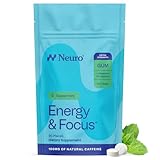
- Fast-Acting Nootropic - Our energy supplements deliver an extra boost of energy and clarity with a blend of natural caffeine, L-theanine, and vitamin b6 & b12. Your go-to chewing gum for work, exercise, and daily focus!
- Clean Energy - Each piece of our sugar free gum delivers 100mg of natural caffeine from green coffee beans for a smooth energy boost without crashes or jitters.
- The Perfect Balance - With 60mg of L-theanine per piece, our energy and focus formula promotes enhanced focus and stress reduction to smooth energy boosts.
- How to Use - Chew one piece of the caffeine gum whenever focus or energy is lacking. Ideal for mornings, pre-workout, or afternoon slumps. Effects typically kick in within minutes thanks to optimal absorption through the mouth.
- Made by Neuro, Backed by Science - At Neuro, we combine neuroscience with clean, science backed ingredients to help you do more, think better, and feel your best every single day.
Pros, cons, and when it matters
- Pro: Increased Alertness: The primary benefit is the temporary boost in wakefulness and focus, making it easier to concentrate on tasks.
- Con: Jitters and Anxiety: For sensitive individuals, caffeine can lead to restlessness, nervousness, or even anxiety.
- Pro: Improved Physical Performance: Caffeine can enhance endurance and reduce perceived exertion during exercise.
- Con: Sleep Disruption: Consuming caffeine too late in the day can interfere with falling asleep and the quality of sleep.
- Pro: Enhanced Mood: Caffeine can temporarily improve mood and reduce the risk of depression for some.
- Con: Digestive Issues: Coffee can trigger acid reflux or stomach upset in some individuals.
- Pro: Cognitive Boost: It can aid in short-term memory and reaction time.
- Con: Dependency and Withdrawal: Regular high consumption can lead to physical dependence, with withdrawal symptoms like headaches and fatigue if intake stops.
- Pro: Social Ritual: Visiting a coffee shop like Starbucks is often a social or personal ritual, providing a break and a sense of comfort.
- Con: Paradoxical Effects: In rare instances, some people report feeling drowsy after caffeine, though the exact mechanisms are not fully understood.
- When it Matters: Caffeine is most beneficial when you need to overcome temporary fatigue for work, study, or driving. It’s less advisable when preparing for restful sleep or if you’re prone to anxiety.
Common misconceptions
- Myth: All coffee makes you sleepy. In reality, caffeine is a stimulant, designed to increase wakefulness.
- Myth: Starbucks coffee has a special ingredient that makes you sleepy. Starbucks coffee is made from standard coffee beans and contains caffeine like any other coffee.
- Myth: If you feel sleepy after coffee, you’re “immune” to caffeine. It’s more likely due to other factors like sleep debt or individual sensitivity, not immunity.
- Myth: Cold brew coffee has less caffeine than hot coffee. Cold brew often has a higher caffeine concentration due to the brewing process and coffee-to-water ratio.
- Myth: Decaf coffee has no caffeine. Decaffeinated coffee still contains a small amount of caffeine, though significantly less than regular coffee.
- Myth: Sugar in coffee makes you sleepy. While a sugar crash can occur after a rapid spike in blood sugar, the sugar itself doesn’t directly induce sleepiness from the coffee.
- Myth: Caffeine always wears off quickly. The effects can last for several hours, with half of the caffeine remaining in your system for about 5 hours.
- Myth: Drinking more coffee will always overcome extreme fatigue. While it can help temporarily, it cannot replace actual sleep.
- Myth: Coffee dehydrates you. While caffeine has a mild diuretic effect, the water in coffee generally offsets this, leading to neutral or even slightly hydrating effects.
- Myth: Your body gets used to caffeine and it stops working. Tolerance develops, meaning you might need more for the same effect, but it doesn’t typically stop working entirely.
FAQ
Q1: Why might I feel sleepy after drinking Starbucks coffee?
A1: This is uncommon, as caffeine is a stimulant. It could be due to extreme sleep debt, a paradoxical reaction, the relaxing ritual of drinking a warm beverage, or other factors unrelated to the coffee itself.
Q2: Does Starbucks coffee have more or less caffeine than other coffees?
A2: Caffeine content varies by drink size and type. Some Starbucks drinks, like cold brews, can be quite high in caffeine, while others might be moderate. It’s best to check specific product information if you’re concerned about intake.
Q3: Can caffeine actually make you more tired in the long run?
A3: Not directly. However, relying on caffeine to mask sleepiness can lead to a cycle of poor sleep and increased dependence on stimulants, which isn’t sustainable for long-term energy.
Q4: How much caffeine is in a typical Starbucks coffee?
A4: A grande (16 oz) Pike Place Roast drip coffee at Starbucks contains about 310 mg of caffeine. An espresso shot has about 75 mg. Cold brew can range from 150-300 mg for a grande.
Q5: Is it possible to have a negative reaction to caffeine that causes sleepiness?
A5: Yes, in rare cases, some individuals experience a paradoxical reaction where they feel drowsy. The reasons are not fully understood but can be related to individual neurochemistry.
Q6: What should I do if I consistently feel sleepy after coffee?
A6: Consider your sleep habits first. Ensure you’re getting adequate sleep. If the issue persists, consult a healthcare professional to rule out underlying medical conditions.
Q7: Does the type of coffee bean or roast affect caffeine levels significantly?
A7: While there can be slight variations, the brewing method and serving size generally have a much larger impact on the total caffeine you consume than the bean type or roast level.
The brewing method generally has a larger impact on caffeine consumption than bean type. For the freshest possible brew at home, a good coffee grinder can make all the difference.

- [ PRECISION ELECTRONIC TIMER & TOUCHSCREEN PANEL ] - Precision Electronic Timer allows users to adjust grind time in 1 second increments up to 40s. A clear and concise LCD Touch screen is easy and intuitive for you to adjust the grind time.
- [ CHOOSE FROM 48 GRIND SETTINGS ] - This coffee bean grinder is designed with a conical burr grinder that operates at a low speed to minimize heat and help release the oils for optimal flavor. With 48 adjustable settings, create your perfect cup – from Espresso finesse to French press coarseness!
- [ UPGRADE ANTI-STATIC CONICAL BURR COFFEE GRINDER ] - The anti-static technology prevents the grounds from sticking to the coffee chamber and creating a mess. It allows a smooth flow of coffee grounds for an improved experience.
- [ LARGE BEAN HOPPER ] - Our espresso grinder comes with a 9.7 oz coffee bean hopper, designed with a locking system that ensures safe operation.
What this page does NOT cover (and where to go next)
- Specific caffeine content for every single Starbucks beverage and size. (Next: Check Starbucks’ official nutritional information.)
- Detailed medical advice for persistent fatigue or sleep disorders. (Next: Consult a healthcare provider.)
- The precise chemical pathways of caffeine metabolism in all individuals. (Next: Research scientific journals on pharmacology.)
- Comparisons of Starbucks coffee to other specific brands or types of beverages in terms of stimulant effects. (Next: Explore resources on beverage nutrition and stimulant content.)