
Will Quitting Coffee Lead to Weight Gain?
Quick Answer
- Quitting coffee can lead to temporary changes in metabolism and appetite, which might affect weight.
- The stimulant effect of caffeine can slightly boost calorie burning; stopping this effect may reduce calorie expenditure.
- Some individuals experience increased cravings for sugary or high-calorie foods when they stop drinking coffee.
- Withdrawal symptoms like fatigue and headaches can sometimes lead to less physical activity, indirectly impacting weight.
- Weight changes are usually minor and temporary for most people, often resolving as the body adjusts.
- Focusing on a balanced diet and regular exercise is key to managing weight regardless of coffee consumption.
Key Terms and Definitions
- Metabolism: The process by which your body converts food and drink into energy.
- Caffeine: A natural stimulant found in coffee, tea, and other plants that affects the central nervous system.
- Appetite: The desire to eat food.
- Calorie Expenditure: The total number of calories your body burns throughout the day.
- Withdrawal Symptoms: Physical and psychological effects experienced when stopping or reducing the intake of a substance, like caffeine.
- Insulin Sensitivity: How effectively your body’s cells respond to insulin, a hormone that regulates blood sugar.
- Thermogenesis: The process by which the body generates heat, which burns calories.
- Cortisol: A stress hormone that can influence appetite and fat storage.
- Ghrelin: A hormone that stimulates appetite.
- Leptin: A hormone that signals fullness and suppresses appetite.
How Quitting Coffee Affects Your Body
- Reduced Stimulant Intake: Caffeine is a stimulant. When you stop drinking coffee, you remove this daily dose of stimulation, which can impact your energy levels and alertness.
- Metabolic Slowdown (Temporary): Caffeine can slightly increase your metabolic rate through a process called thermogenesis. Without it, your body might burn a few more calories at rest.
- Appetite Changes: For some, caffeine can suppress appetite. Removing it might lead to an increase in hunger or cravings for certain foods.
- Hormonal Shifts: Caffeine can influence hormones like cortisol. Stopping can cause temporary fluctuations that might affect how your body stores fat or manages stress.
- Withdrawal Effects: Headaches, fatigue, and irritability are common caffeine withdrawal symptoms. These can indirectly affect your motivation to exercise or your eating habits.
- Blood Sugar Regulation: Caffeine can affect insulin sensitivity. Quitting might lead to temporary changes in how your body processes sugar, potentially influencing cravings.
- Gut Microbiome Adjustments: Some research suggests caffeine can influence the bacteria in your gut. Stopping its intake could lead to subtle shifts in your digestive system.
- Hydration Levels: If coffee was a significant source of fluid intake, stopping might require conscious effort to maintain adequate hydration, which is important for metabolism.
- Sleep Pattern Changes: For some, coffee can disrupt sleep. Quitting might improve sleep quality, which in turn can positively impact weight management hormones.
What Affects Weight When You Stop Drinking Coffee
- Individual Sensitivity to Caffeine: People react differently to caffeine. Those who are more sensitive may experience more pronounced effects when they stop.
- Amount of Coffee Consumed: If you were drinking multiple cups a day, the impact of quitting will likely be greater than if you had only one.
- Additives in Coffee: Sugar, cream, syrups, and other additions significantly increase the calorie count of coffee. Quitting these additives along with the coffee can lead to weight loss.
- Dietary Habits: Your overall diet plays the most crucial role. If you replace coffee with unhealthy snacks or larger meals, weight gain is more likely.
- Exercise Routine: Physical activity burns calories. If fatigue from withdrawal leads to less exercise, calorie expenditure decreases.
- Hydration: Adequate water intake is essential for metabolism. If you don’t replace the fluids from coffee, dehydration could affect your body’s functions.
- Sleep Quality: Poor sleep is linked to hormonal imbalances that can increase appetite and fat storage. Improved sleep after quitting coffee can be beneficial.
- Stress Levels: Caffeine can affect cortisol. If quitting increases stress and you cope by eating more, weight gain can occur.
- Genetics: Your genetic makeup can influence how your body metabolizes caffeine and how it responds to dietary changes.
- Underlying Health Conditions: Pre-existing health issues can interact with the effects of caffeine withdrawal or dietary changes.
- Duration of Coffee Habit: Long-term coffee drinkers might experience different effects compared to those who recently started.
- Nutritional Intake: Ensuring you’re getting balanced nutrition from your food can help mitigate potential appetite changes or energy dips.
Pros, Cons, and When It Matters
- Pro: Reduced Jitters and Anxiety: For those sensitive to caffeine, quitting can lead to a calmer state of mind and less anxiety. This can improve overall well-being.
- Con: Fatigue and Headaches: Caffeine withdrawal is common and can cause significant fatigue, making it hard to concentrate or be productive.
- Pro: Improved Sleep: If coffee interfered with your sleep, quitting can lead to deeper, more restorative rest, which is crucial for health and weight management.
- Con: Potential for Cravings: Some people find they crave sugary or high-calorie foods more intensely after stopping coffee, which can lead to unintended weight gain if not managed.
- Pro: Savings: Eliminating daily coffee purchases can lead to significant financial savings over time.
- Con: Temporary Metabolic Shift: The slight increase in calorie burning from caffeine is lost. For individuals focused on maximizing calorie expenditure, this might be a minor concern.
- Pro: Reduced Acid Reflux: Coffee can trigger acid reflux for some. Quitting can alleviate these uncomfortable symptoms.
- Con: Social Impact: For some, coffee breaks are a social ritual. Quitting might mean missing out on these interactions.
- When it Matters for Weight: If your coffee habit involves many sugary additions, quitting these can lead to weight loss. If withdrawal causes severe fatigue that stops your exercise, it can hinder weight maintenance.
- When it Matters for Health: For individuals with heart conditions or anxiety disorders, quitting coffee might be medically advisable for symptom management.
- When it Matters for Lifestyle: If coffee helps you focus and be productive, quitting might require finding alternative strategies to maintain energy and alertness.
- When it Matters for Digestion: If coffee causes digestive upset, quitting can provide significant relief and improve gut comfort.
Common Misconceptions
- Misconception: Quitting coffee guarantees weight gain.
- Reality: Weight gain is not a certainty. Many people maintain or even lose weight when quitting, especially if they reduce sugar intake.
- Misconception: The weight gain from quitting coffee is always significant and permanent.
- Reality: Any weight changes are typically minor and temporary, resolving as the body adjusts to the absence of caffeine.
- Misconception: Caffeine is a major calorie-burning aid.
- Reality: While caffeine can slightly boost metabolism, the effect is modest and unlikely to cause significant weight loss or gain on its own.
- Misconception: Coffee itself causes weight gain.
- Reality: Black coffee has very few calories. Weight gain is usually due to added sugars, creams, and syrups.
- Misconception: Withdrawal symptoms mean your body is “detoxing” in a harmful way.
- Reality: Withdrawal symptoms are a normal physiological response to the absence of a regularly consumed substance.
- Misconception: You’ll be permanently tired and unmotivated without coffee.
- Reality: While initial fatigue is common, the body usually adapts, and other lifestyle factors (sleep, diet, exercise) become more important for sustained energy.
- Misconception: Replacing coffee with diet soda is a healthy alternative for weight management.
- Reality: Diet sodas may have their own health implications, and they don’t provide the same nutritional benefits or hydration as water.
- Misconception: All coffee drinkers experience negative weight changes when they quit.
- Reality: Individual responses vary greatly based on diet, lifestyle, and personal physiology.
FAQ
- Q: Will I gain weight if I stop drinking coffee?
A: It’s possible, but not guaranteed. Some people experience temporary changes in appetite or metabolism that might affect their weight. However, many people do not gain weight, especially if they manage their diet and cravings.
- Q: How quickly might I notice weight changes after quitting coffee?
A: If weight changes occur, they are usually noticed within the first few weeks as your body adjusts to the absence of caffeine and withdrawal symptoms subside.
- Q: What can I do to prevent weight gain when quitting coffee?
A: Focus on a balanced diet, stay hydrated with water, manage cravings by choosing healthy snacks, and maintain a regular exercise routine to support your metabolism.
To help manage potential energy dips when quitting coffee, some people find caffeine supplements helpful for a controlled boost. Just be mindful of dosage and timing.
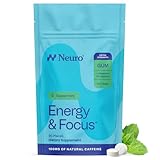
- Fast-Acting Nootropic - Our energy supplements deliver an extra boost of energy and clarity with a blend of natural caffeine, L-theanine, and vitamin b6 & b12. Your go-to chewing gum for work, exercise, and daily focus!
- Clean Energy - Each piece of our sugar free gum delivers 100mg of natural caffeine from green coffee beans for a smooth energy boost without crashes or jitters.
- The Perfect Balance - With 60mg of L-theanine per piece, our energy and focus formula promotes enhanced focus and stress reduction to smooth energy boosts.
- How to Use - Chew one piece of the caffeine gum whenever focus or energy is lacking. Ideal for mornings, pre-workout, or afternoon slumps. Effects typically kick in within minutes thanks to optimal absorption through the mouth.
- Made by Neuro, Backed by Science - At Neuro, we combine neuroscience with clean, science backed ingredients to help you do more, think better, and feel your best every single day.
- Q: Is it normal to crave sweets more after quitting coffee?
A: Yes, it’s quite common. Caffeine can sometimes suppress appetite or influence certain neurotransmitters related to mood and cravings. When you stop, these can temporarily shift.
- Q: How long do caffeine withdrawal symptoms usually last?
A: For most people, the most intense withdrawal symptoms like headaches and fatigue last from a few days to about a week. Some milder effects might linger for a bit longer.
- Q: Does quitting coffee affect my metabolism significantly?
A: Caffeine can have a small, temporary effect on your metabolic rate. Quitting might lead to a slight decrease in calorie expenditure, but this is usually not enough to cause significant weight gain on its own.
- Q: Should I be worried about minor weight fluctuations?
A: Minor weight fluctuations are normal for everyone and can be due to many factors, including diet, hydration, and hormonal changes. Unless they are significant and persistent, they are usually not a cause for concern.
- Q: What are healthier alternatives to coffee if I need an energy boost?
A: Herbal teas, a glass of cold water, a short walk, or a balanced meal can provide energy without caffeine. Prioritizing good sleep is also crucial for sustained energy.
If you’re looking for energy without the caffeine, exploring various coffee alternatives can be a great way to find something you enjoy. Many options offer unique flavors and benefits.

- CLOSE TO COFFEE TASTE: Experience a delightful Turkish-style sip with this coffee substitute; its flavor profile is made from healthy date seeds but resembles traditional coffee; perfect for those seeking a non coffee alternative
- CAFFEINE-FREE DELIGHT: Enjoy the rich aroma crafted from decaffeinated date seeds, you can enjoy the delicious taste of coffee without compromising on taste or experiencing side effects from caffeine
- VEGAN FRIENDLY CHOICE: Our herbal beverage is ideal for vegans or those following a plant-based diet; enjoy the closer-to-coffee taste without any animal products
- EASY TO MAKE: Our coffee alternative is made just like regular Turkish coffee; simply add one to two teaspoons of our ground Eastern Brew to your cezve filled with water for a perfect brew
- ORGANIC & HEALTHY: A healthy coffee alternative, date seeds are a natural source of antioxidants and polyphenols, which may help promote heart health; gluten-free, no artificial ingredients, colors, or flavors
What This Page Does NOT Cover (and Where to Go Next)
- Specific dietary plans for quitting coffee.
- Detailed medical advice for managing caffeine withdrawal.
- Brand-specific recommendations for coffee alternatives.
- In-depth scientific research on caffeine’s long-term metabolic effects.
- Personal testimonials of weight changes after quitting coffee.