
Build A Space-Saving Folding Coffee Table
Quick answer
- Measure your space carefully before you start.
- Choose sturdy, reliable hinges.
- Use quality wood that can handle regular use.
- Plan for leg stability when unfolded.
- Don’t skip the finishing touches – they protect the wood.
- Test the folding mechanism thoroughly before relying on it.
Who this is for
- Apartment dwellers with limited living room space.
- Anyone who needs a coffee table that can disappear when not in use.
- DIYers who enjoy building functional furniture.
What to check first
Your Available Space
Before you even think about wood, grab a tape measure. Seriously. Measure the area where the table will live. Think about how much space you need when it’s open and how much you can afford to lose when it’s folded. A table that’s too big or too small will just be a pain.
Your Skill Level and Tools
Be honest with yourself. Do you have a decent saw? A drill? Sandpaper? If you’re just starting out, maybe opt for a simpler design. There are tons of plans online, from super basic to more complex. Pick one that matches what you can actually build.
The Folding Mechanism Design
How will it fold? Wall-mounted? Legs that tuck under? This is the trickiest part. Look at examples online. See how others have done it. The goal is smooth operation and stability. You don’t want it wobbling or pinching your fingers.
Step-by-step (build workflow)
1. Design and Plan
What to do: Sketch out your design. Decide on dimensions, leg style, and how it will fold. Find a good set of plans if you’re not designing from scratch.
What “good” looks like: A clear drawing or set of plans with all measurements accounted for.
Common mistake: Not having a solid plan. This leads to constant adjustments and frustration. Avoid it: Spend time on the design phase.
2. Gather Your Materials
What to do: Buy your wood, hinges, screws, and any other hardware. Get good quality stuff; it’ll last longer.
What “good” looks like: All your materials are on hand and ready to go.
Common mistake: Using cheap hardware that bends or breaks. Avoid it: Invest in decent hinges and screws.
3. Cut Your Wood
What to do: Carefully cut all the pieces according to your plans. Measure twice, cut once.
What “good” looks like: Clean, straight cuts that fit together well.
Common mistake: Inaccurate cuts that make assembly difficult. Avoid it: Use a straight edge or a miter box for precise cuts.
4. Assemble the Tabletop
What to do: Join the pieces of your tabletop together. Use wood glue and screws or pocket holes for strength.
What “good” looks like: A flat, solid tabletop surface.
Common mistake: Not using enough glue or screws, leading to a weak top. Avoid it: Be generous with the adhesive and fasteners.
When assembling the tabletop, a strong wood glue is essential for creating durable, lasting joints.
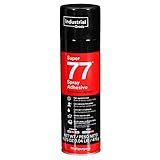
- VERSATILE ADHESIVE: Bonds a wide range of lightweight materials (i.e., paper, cardboard fabric, insulation, plastic, metal, wood, felt, fiberglass, foam, leather, and more)
- INDUSTRIAL GRADE: Provides professional, industrial strength for demanding applications
- AGGRESSIVE TACK: Offers a fast, aggressive tack for a quick bond that reduces set time
- BOND TIME: Allows for a bond time of 15 seconds to 30 minutes
- REPOSITIONABLE: Initially repositionable while providing long lasting strength; Helps to create soft, non dimpling glue lines
5. Build the Legs
What to do: Construct the legs according to your chosen design. Ensure they are strong and stable.
What “good” looks like: Legs that are sturdy and will support the table’s weight.
Common mistake: Legs that are wobbly or not the same length. Avoid it: Double-check measurements and ensure all joints are secure.
If you’re looking for sturdy and reliable supports, consider pre-made DIY table legs to simplify this step and ensure stability.

- [Modern X-Shape Design for Coffee Tables & Benches] The 120 Xavier metal coffee table legs 16 inch height showcase bold geometry and modern balance through their sculptural X-shaped frame. Measuring 14.4" L × 3.2" W × 16.1" H with shipping weight 22 lbs per set, these black steel furniture legs deliver elegance, stability, and versatility for metal coffee table legs, metal bench legs, and modern table legs. Perfect for residential and commercial interiors alike, the Xavier adds a touch of architectural precision to every space.
- [Heavy-Duty Handmade Steel Frame – 500 lbs Load Capacity] Expertly handcrafted from solid steel and coated with a matte black powder finish, this metal coffee table base ensures long-lasting strength and corrosion resistance. With a 500 lbs capacity, the Xavier coffee table legs metal deliver superior balance for patio coffee tables, bench legs heavy duty, or steel table legs. Designed for both modern homes and industrial-inspired spaces, they combine structure, symmetry, and timeless endurance.
- [Handcrafted Quality & Scratch-Resistant Finish] Each Flowyline Design metal furniture leg is hand-welded by skilled artisans for perfect alignment and smooth edges. The powder-coated matte surface prevents scratches, fading, and rust — ensuring a pristine finish through years of use. Ideal for metal furniture legs, coffee table legs, or modern bench legs, these handcrafted pieces embody Flowyline’s hallmark of functional artistry and industrial elegance.
- [Versatile Function Across Multiple Furniture Styles] The Xavier design adapts beautifully for Coffee Tables, Benches, Ottoman Tables, Cocktail Tables, Low Console Tables, Japanese Chabudai Tables, and Floor Tables. These metal coffee table legs work seamlessly with wood, glass, or stone tops, creating balanced proportions and a distinctive modern aesthetic. Whether you’re crafting metal bench legs for a hallway or patio coffee table legs for outdoor relaxation, the 120 Xavier combines artistry with durability for any custom furniture project.
- [Simple Installation & Adjustable Levelers] The pre-drilled mounting plates make assembly fast and secure, while adjustable levelers ensure perfect balance on uneven floors. These coffee table legs metal provide strong, stable support and floor protection for every setup. Ideal for bench legs heavy duty, coffee table legs, or metal legs for bench, the Xavier X-shape exemplifies Flowyline’s craftsmanship — merging engineering precision, handmade quality, and lasting modern style.
6. Attach the Hinges/Folding Mechanism
What to do: This is where the magic happens. Carefully attach your hinges or folding hardware. Follow the hardware’s instructions.
What “good” looks like: The table folds and unfolds smoothly without binding.
Common mistake: Hinges placed incorrectly, causing the table to bind or not fold flat. Avoid it: Mark hinge placement precisely and pre-drill holes.
For the crucial folding mechanism, consider investing in quality folding coffee table hardware to ensure smooth operation and durability.

- Sturdy & Durable: Made of high quality metal, with black coating finish. Not Rust easily, Prevent Corrosion, Smooth Surface. The heavy duty folding shelf bracket adopts the most stable triangular structure to achieve maximum stability, and improve load-bearing strength, Max Load up to 500LBS
- Locked & Folded Devise: This L-shaped shelf bracket features a foldable and humanized design. The hinge can easily lock the table at 90 degrees and fold it up to free up space when not in use. The simple folding function maximizes the use of limited space
- Ideal Space-Saving Design: The heavy duty black foldable shelf bracket can be use anywhere. Provide more extra space for your garage, workshop, backyard, kitchen, bathroom, RV, trailer, etc. Perfect for your various DIY projects
- Easy to Install: No screw accessories included. It is recommended to use a burst screw with strong load-bearing capacity. Installing this 24 inch folding bracket is a breeze. Just make sure the folding table bracket are parallel to each other and perpendicular to the wall. Then the short bracing arm uses long screws and anchors to mount the bracket on the wall, while the longer arm is fixed to the wooden board
- Customization: If encounter any issuses of the heavy duty foldable shelf bracket, please feel free to contact us. We will try our best to solve all your problems. Thank you for shopping LSK!
7. Install the Legs (if applicable)
What to do: If your design has legs that fold or attach, install them now. Make sure they lock securely in the open position.
What “good” looks like: Legs that are stable and don’t move when the table is in use.
Common mistake: Legs that don’t lock securely, making the table unsafe. Avoid it: Use a reliable locking mechanism or a sturdy brace.
8. Sand and Finish
What to do: Sand all surfaces smooth. Apply your chosen finish – stain, paint, or a clear coat.
What “good” looks like: A smooth, protected surface that looks good.
Common mistake: Skipping the sanding or finishing, leaving rough spots and unprotected wood. Avoid it: Take your time with sanding and apply a durable finish.
9. Test the Mechanism
What to do: Fold and unfold the table several times. Check for any sticking points or instability.
What “good” looks like: Effortless operation and a solid feel in both positions.
Common mistake: Not testing thoroughly, only to discover issues later. Avoid it: Cycle the mechanism many times.
Common mistakes (and what happens if you ignore them)
| Mistake | What it causes | Fix |
|---|---|---|
| Inaccurate measurements | Pieces don’t fit, gaps, uneven surfaces | Measure twice, cut once. Use a reliable measuring tape and square. |
| Using cheap hardware | Hinges bend, screws strip, mechanism fails | Invest in quality hinges, screws, and fasteners. |
| Poorly designed leg support | Table wobbles or collapses when in use | Ensure legs are strong, properly braced, and lock securely. |
| Forgetting about weight limits | Tabletop sags or breaks under load | Use strong joinery and appropriate wood for the tabletop surface. |
| Not pre-drilling holes | Wood splits, especially near edges | Always pre-drill pilot holes for screws. |
| Insufficient wood glue | Joints weaken over time, leading to failure | Use ample wood glue on all mating surfaces and clamp tightly. |
| Skipping the finishing coat | Wood gets stained, scratched, and damaged easily | Apply a durable finish (polyurethane, varnish, etc.) for protection. |
| Over-tightening screws | Stripped screw heads or cracked wood | Tighten screws until snug, but don’t force them. |
| Not checking for squareness | Table looks crooked, legs don’t align properly | Use a carpenter’s square during assembly to ensure 90-degree angles. |
| Ignoring safety precautions | Cuts, splinters, or more serious injuries | Wear safety glasses, gloves, and use tools properly. |
Decision rules (simple if/then)
- If your space is very small, then consider a wall-mounted folding table because it frees up the most floor space.
- If you have kids or pets, then choose a design with rounded edges and a very stable leg system because safety is paramount.
- If you’re new to woodworking, then start with a simpler design using butt joints and readily available hardware because it’s less forgiving of mistakes.
- If you want a very modern look, then consider using plywood with a clean edge treatment or metal components because they offer a sleeker aesthetic.
- If you plan to use the table for heavy items, then reinforce the tabletop and leg joints because extra support is crucial.
- If you’re unsure about wood types, then opt for pine or poplar because they are relatively inexpensive and easy to work with.
- If you want a natural wood look, then choose a hardwood like oak or maple, but be prepared for a higher cost and more challenging workability.
- If your folding mechanism feels stiff, then lubricate the hinges with a bit of wax or silicone spray because friction is the enemy.
- If the table feels wobbly when open, then add reinforcing braces to the legs or check that all joints are tight because stability is key.
- If you want a quick and easy finish, then use a pre-catalyzed lacquer spray because it dries fast and provides good protection.
- If you’re building a large table, then consider using a central support or a more robust folding mechanism because a larger surface area means more stress.
FAQ
How do I make sure the table is stable when it’s open?
Focus on the leg design. Legs should be sturdy, well-braced, and ideally lock into place securely. Adding a crossbar between legs can greatly improve stability.
What kind of wood is best for a folding coffee table?
For ease of use and cost, pine or poplar are good choices. If you want something more durable and attractive, hardwoods like oak or maple are excellent but heavier and more expensive.
How can I make the folding mechanism smooth?
Use good quality hinges. Ensure they are installed perfectly straight and aligned. Lubricating them with a bit of paraffin wax or silicone spray can also help.
What if my table isn’t level when it’s open?
This usually means your cuts weren’t perfectly square or your leg lengths are slightly off. You might be able to shim the shorter legs or carefully sand down the longer ones to compensate.
How do I protect the wood finish?
Apply at least two coats of a durable finish like polyurethane, varnish, or a hard wax oil. This will protect against spills, scratches, and general wear and tear.
Can I make a folding table that mounts to the wall?
Absolutely. These are great for super tight spaces. You’ll need strong wall anchors and a robust hinge system designed for wall mounting.
What are common mistakes to avoid when building?
Using cheap hardware, inaccurate cuts, and not properly bracing the legs are big ones. Always pre-drill holes to prevent splitting.
How do I ensure the table folds flat?
Proper hinge alignment is critical. Make sure the hinges allow the table to sit flush against the wall or fold completely flat without any gaps.
What this page does NOT cover (and where to go next)
- Specific lumber dimensions or exact measurements for every possible table size. (Look for detailed plans online.)
- Advanced joinery techniques like mortise and tenon. (Explore woodworking forums for tutorials.)
- Electrical components or integrated lighting for the table. (Search for smart furniture projects.)
- Complex finishing techniques like ebonizing or intricate inlays. (Look into specialized finishing guides.)
- Building for outdoor use or with specialized weather-resistant materials. (Research outdoor furniture construction.)