
Step-by-Step Guide to Building Your Own Coffee Table
Quick answer
- Measure your space. Know the dimensions you need.
- Pick a design. Simple is best for beginners.
- Gather your materials. Wood, screws, glue.
- Cut your pieces. Accuracy matters here.
- Assemble the frame. Make it sturdy.
- Attach the tabletop. This is the main event.
- Sand and finish. Protect the wood and make it look good.
Who this is for
- The DIYer looking for a rewarding weekend project.
- Anyone wanting a custom piece that fits their living room perfectly.
- Folks who like to save a buck and build something with their own two hands.
What to check first
Your Space and Needs
Before you even think about wood, grab a tape measure. How big is the spot where this table will live? You don’t want a monster taking over or a tiny thing lost in the room. Think about height too. It should be comfy with your couch. A good rule of thumb is that it should be about the same height as your couch cushions, or maybe an inch or two lower.
Your Design Idea
Got a vision? Sketch it out. Even a rough drawing helps. Are you thinking modern, rustic, or something else? For your first build, simple is the way to go. A basic rectangular table with four legs is totally achievable. Avoid complex curves or fancy joinery until you’ve got some experience under your belt.
Tools and Materials
What do you have? What do you need? You’ll need a saw (circular or miter saw are good), a drill, screws, wood glue, sandpaper, and a finish (like stain or polyurethane). As for wood, pine is affordable and easy to work with for beginners. Hardwoods like oak or maple are more durable but tougher to cut and more expensive.
Step-by-step (brew workflow)
1. Plan and Measure
What to do: Finalize your design and take precise measurements of your space. Decide on the exact dimensions for your tabletop, legs, and any support pieces.
What “good” looks like: You have a clear, written plan with all dimensions accounted for. No guesswork.
Common mistake: Rushing this step. Measure twice, cut once. Seriously.
2. Gather Your Materials
What to do: Purchase your lumber, screws, wood glue, sandpaper, and chosen finish. Make sure you have enough for all your pieces.
What “good” looks like: You have all the necessary supplies and then a little extra, just in case.
Common mistake: Underestimating how much wood you’ll need. It’s better to have a bit left over than to run out mid-project.
When gathering your materials, don’t forget to pick up a reliable set of wood screws to ensure strong, lasting joints.

- 【VARIOUS SIZES】FIXLINK wood screws assortment kit provides you with 8 common sizes from short to long. Contains #6 X 1/2", 5/8" and #8 x 3/4", 1", 1-1/4", 1-1/2", 2", 2-1/2". The wood screws set and M7 screw anchors meet your daily needs
- 【PREMIUM QUALITY】FIXLINK wood screws assortment kit use high-precision cutting technology, the deep and clear threads and sharp tips can easily penetrate wood and plastic and ensure firm fixation, and are not easy to deform and slide when used
- 【STORAGE PORTABLE】 Our self-tapping screw set packed according to the size, so it is efficient to find screw size required. Screws and anchors are packed in a durable environmental protection plastic box, very convenient to manage and store different size screws and easy to transport and carry
- 【WIDE APPLICATION】Self-tapping wood screw set comes with screw anchors, so it can be used on plastic or wood products, such as drywall, wooden boards, ceilings, partitions, etc. Widely used in furniture, DIY crafts, electrical products, communication equipment, ship assembly, machinery, and other maintenance work
- 【WORRY-FREE SERVICE】FIXLINK focuses on customer satisfaction, if you have any questions or are not satisfied, you can contact us by email, we will solve all your problems as soon as possible
3. Cut Your Wood Pieces
What to do: Carefully cut all your lumber according to your plan. Use a straight edge or guide for your saw to ensure clean, accurate cuts.
What “good” looks like: All your pieces are the exact lengths and angles specified in your plan. Square cuts are key.
Common mistake: Making inaccurate cuts. This will lead to wobbly legs and a crooked top.
4. Assemble the Leg Frames (if applicable)
What to do: If your design has separate leg frames (like for a farmhouse style), assemble these first. Apply wood glue to the joints and secure with screws.
What “good” looks like: The leg frames are square, strong, and stable. They stand up on their own without wobbling.
Common mistake: Not using enough glue or screws. These joints need to be solid.
For maximum durability, always apply a strong wood glue to your joints before securing them with screws.
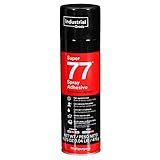
- VERSATILE ADHESIVE: Bonds a wide range of lightweight materials (i.e., paper, cardboard fabric, insulation, plastic, metal, wood, felt, fiberglass, foam, leather, and more)
- INDUSTRIAL GRADE: Provides professional, industrial strength for demanding applications
- AGGRESSIVE TACK: Offers a fast, aggressive tack for a quick bond that reduces set time
- BOND TIME: Allows for a bond time of 15 seconds to 30 minutes
- REPOSITIONABLE: Initially repositionable while providing long lasting strength; Helps to create soft, non dimpling glue lines
5. Attach the Legs to the Table Base/Apron
What to do: Connect your legs to the apron (the frame that supports the tabletop). Again, use glue and screws for a strong bond.
What “good” looks like: The legs are securely attached and perfectly perpendicular to the apron.
Common mistake: Attaching legs at an angle. This makes the table look off and can cause instability.
6. Prepare the Tabletop
What to do: If your tabletop is made of multiple boards, join them together. You can use pocket hole screws or dowels for a clean look.
What “good” looks like: The tabletop is flat, smooth, and all the boards are flush with each other.
Common mistake: Not clamping the boards tightly while the glue dries. This can result in gaps.
7. Attach the Tabletop
What to do: Center the tabletop on the assembled base and secure it from underneath using screws or specialized tabletop fasteners.
What “good” looks like: The tabletop is centered and firmly attached to the base. No movement.
Common mistake: Screwing directly down through the tabletop. This looks bad and can cause the wood to split.
8. Sand Everything Smooth
What to do: Start with a coarser grit sandpaper (like 80 or 100 grit) to remove any rough spots or imperfections. Gradually move to finer grits (150, 220) for a silky smooth finish.
What “good” looks like: The entire table feels smooth to the touch, with no splinters or rough patches.
Common mistake: Skipping the finer grits. This leaves a less polished look and feel.
9. Apply Your Finish
What to do: Apply your chosen stain or sealant according to the product’s instructions. This usually involves multiple thin coats with drying time in between.
What “good” looks like: The finish is evenly applied, protects the wood, and enhances its natural beauty.
Common mistake: Applying the finish too thick. This can lead to drips and an uneven appearance.
To bring out the natural beauty of your wood and protect it, consider applying a high-quality wood stain as your final step.

- EFFECTIVE ON ALL WOOD SURFACES and QUICK DRYING: Furniture Clinic Wood Stain is a fast drying and highly concentrated wood stain making it effective on all indoor and outdoor wood surfaces. Our wood stain provides excellent coverage and ensures even color penetration. It's water based, environmentally friendly, and dries to a natural matte finish in only 10 minutes.
- COMES IN 12 COLORS - VISIBLE WITH ONE COAT: Our wood stain comes in 12 colors ranging from dark to light and can be purchased in multiple sizes. It evenly covers and stains wood in one coat, restoring old and tired wood with a new finish.
- COVERAGE: Available in three sizes to suit your needs, our 250ml bottle covers 3m², our 500ml bottle covers 6m², and our 2500ml (or 1 gallon) bottle covers 30m², making it easy to choose the right amount for your project.
- WATER BASED and SAFE TO USE: The water based formula of our stain is safer for your wood and the environment than other wood stains. It's low odor, non-toxic, easy to use, and easy to clean up! Ideal for use on all interior wood projects: furniture, cabinets, doors, trim, floors and more.
- USE IN COMBINATION WITH: After staining wood, you should finish the job by sealing the stain in with one of our Furniture Clinic Wood Waxes, Wood Varnishes or Wood Oils. These will bring out the color of the stain further, provide additional protection and can be used to alter the finish to either satin or gloss.
10. Final Touches
What to do: Once the finish is completely dry, you can add any final touches like felt pads on the bottom of the legs to protect your floors.
What “good” looks like: The table is ready to be used and looks fantastic.
Common mistake: Moving the table before the finish is fully cured. This can damage the finish.
Common mistakes (and what happens if you ignore them)
| Mistake | What it causes | Fix |
|---|---|---|
| Inaccurate measurements | Crooked table, legs don’t fit, tabletop uneven. | Double-check all measurements before cutting. Use a reliable tape measure. |
| Using dull saw blades | Rough cuts, splintered wood, difficulty cutting straight. | Sharpen or replace your saw blades regularly. |
| Not pre-drilling screw holes | Wood splitting, especially near edges. | Always pre-drill pilot holes for screws, especially in hardwoods. |
| Skipping wood glue | Weak joints, wobbly table, potential for pieces to separate. | Use wood glue on every joint before screwing. It’s the backbone of furniture. |
| Uneven sanding | Patchy finish, visible rough spots, shiny vs. dull areas. | Sand with progressively finer grits and ensure uniform pressure. |
| Rushing drying times | Finish cracking, peeling, or smudging. | Be patient. Allow adequate drying and curing time between coats and before use. |
| Using the wrong type of screws | Screws too long (piercing through) or too short (not holding). | Use screws appropriate for the thickness of your wood and the joint’s stress. |
| Not checking for squareness | A table that leans or has an uneven top. | Use a carpenter’s square frequently during assembly to ensure 90-degree angles. |
Decision rules (simple if/then)
- If your space is small, then choose a smaller, more compact design because a large table will overwhelm the room.
- If you’re new to woodworking, then start with pine or poplar because these woods are soft, easy to cut, and forgiving.
- If you want a very durable table, then consider hardwoods like oak or maple, but be prepared for more challenging cuts and higher costs.
- If you’re using a miter saw, then ensure you have a sharp blade for clean, precise cuts because a dull blade will splinter the wood.
- If you’re joining multiple boards for the tabletop, then use a good quality wood glue and clamps to create a strong, seamless surface because gaps will be hard to fix later.
- If you’re concerned about wood movement (expansion/contraction), then use tabletop fasteners that allow for this rather than directly screwing the top down because this prevents splitting.
- If you’re applying stain, then test it on a scrap piece of the same wood first because colors can vary.
- If you want a very smooth finish, then don’t skip the fine-grit sandpaper (220 grit and higher) because this is what gives that silky feel.
- If you are painting, then use a primer first because it ensures better adhesion and a more even color.
- If you notice a wobble, then check your leg attachments and the floor because one or both might be uneven.
FAQ
How much does it cost to build a coffee table?
Costs vary wildly depending on the wood and materials you choose. A simple pine table might cost under $100 in materials, while a large table from premium hardwood could easily run $300+.
What’s the easiest coffee table design for a beginner?
A simple box-style table with four legs attached directly to the underside of a solid tabletop is about as basic as it gets.
Do I need a lot of fancy tools?
Not necessarily for a basic table. A good saw (circular or miter), a drill, a tape measure, and some clamps are the essentials. You can rent specialized tools if needed.
How do I make sure my table is sturdy?
Use plenty of wood glue on all joints, secure them with screws, and ensure everything is square. Don’t skimp on the assembly process.
What kind of wood is best for a coffee table?
For beginners, pine is easy to work with. For durability, oak, maple, or walnut are excellent choices, but they are harder and more expensive.
How do I get a smooth finish on my table?
Thorough sanding with progressively finer grits of sandpaper is crucial. Don’t rush this step.
Can I make a coffee table with just hand tools?
Yes, it’s possible, but it will be much more labor-intensive and time-consuming. Power tools make the process significantly faster and easier.
What if my table wobbles?
Check that all legs are the same length and that they are attached at perfect 90-degree angles. Sometimes, a slight adjustment to the floor contact, like adding a small shim, can fix it.
What this page does NOT cover (and where to go next)
- Advanced joinery techniques (like mortise and tenon). Look for guides on specific joints.
- Building complex tables with drawers or shelves. Search for “DIY drawer construction” or “shelf building basics.”
- Specialized finishing techniques like epoxy resin pouring or intricate painting. Explore dedicated tutorials for these.
- Designing and building furniture for very specific needs (e.g., lift-top tables, built-in storage). Look for specialized project plans.