
Brewing Perfect Drip Coffee
Quick answer
- Use fresh, quality coffee beans, ideally ground just before brewing.
- Ensure your water is filtered and at the correct temperature (195-205°F).
- Maintain a consistent coffee-to-water ratio, typically around 1:16 to 1:18.
- Keep your drip coffee maker sparkling clean to prevent off-flavors.
- Select the right grind size for your brewer type to optimize extraction.
- Don’t let your brewed coffee sit on a hot plate for too long; it degrades quickly.
Who this is for
- Anyone new to home coffee brewing looking for consistent, delicious results.
- Coffee drinkers frustrated by bitter, weak, or otherwise unsatisfying drip coffee.
- Home baristas wanting to refine their technique and understand the science behind a great cup.
What to check first
Brewer type and filter type
The type of drip coffee maker you have dictates several variables. Is it a classic automatic drip machine, a pour-over cone, or a French press (though technically immersion, it’s often grouped with “drip” by home users)? For automatic drip machines, check if it uses cone-shaped or basket-shaped filters. Cone filters (like Melitta or Chemex) often lead to a slightly cleaner cup, while basket filters (common in many automatic brewers) can produce a fuller body. Always use the correct size and shape of filter for your brewer. Paper filters are common; some machines also use permanent mesh filters. Paper filters absorb oils, leading to a cleaner cup, while mesh filters allow more oils through, contributing to a richer body.
Understanding your brewer type is the first step to great coffee. If you’re in the market for a reliable machine, consider a quality drip coffee maker that consistently hits the right temperature.
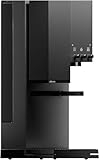
- 1. Three Levels of Automation for Any Skill Level: Choose from Autopilot, Copilot, or Free Solo mode. Autopilot handles the entire brewing process automatically. Copilot provides step-by-step guidance. Free Solo gives you full manual control. This coffee machine works for beginners and professional baristas alike.
- 2. Intuitive User Interface with Tactile Knobs and LED Matrix: The Studio features physical control knobs and a clear LED Matrix display. You can adjust grind size, water temperature, and flow rate in real time without navigating complicated touchscreen menus.
- 3. Full Customization via the xBloom App: Use the xBloom app to create, adjust, save, and share your favorite coffee recipes. Every brewing parameter can be fine-tuned and synced to the machine instantly. Your perfect cup is saved and repeatable.
- 4. Compostable xPod System for Minimal Waste and Maximum Flavor: Each xPod contains carefully selected whole beans and a built-in filter. Tap the recipe card, pour the beans into the grinder, place the pod into the dock, and press start. No capsules, no extra paper filters, no unnecessary waste.
- 5. What Is Included in the Box: The package includes the xBloom Studio, Omni Dripper 2 with Hyperflow Bottom, 10 paper filters, xPod Dock, Magnetic Dosing Cup, default recipe card, quick start guide, cleaning brush, universal power cord, and a 2-Year xbloom brand warranty. Everything you need is included—along with long-term peace of mind.
Water quality and temperature
Coffee is over 98% water, so its quality profoundly impacts taste. Use filtered water to avoid chlorine, minerals, and other impurities that can impart off-flavors. Avoid distilled water, as it lacks minerals necessary for good extraction. The ideal brewing temperature for drip coffee is between 195°F and 205°F. Water that’s too cool will under-extract, leading to a sour, weak taste. Water that’s too hot can over-extract, resulting in bitterness. Most automatic drip machines aim for this range, but some budget models may struggle.
Grind size and coffee freshness
The grind size is crucial for proper extraction. For most automatic drip coffee makers and pour-over methods, a medium grind, resembling coarse sand, is ideal. If the grind is too fine, water will have difficulty passing through, leading to over-extraction and bitterness. If it’s too coarse, water will pass too quickly, resulting in under-extraction and a weak, sour taste. Always use freshly roasted coffee, ideally within a few weeks of its roast date. Grind your beans just before brewing; pre-ground coffee loses much of its flavor and aroma rapidly.
Coffee-to-water ratio
This is perhaps the most critical factor for consistent flavor. A common starting point is the “golden ratio” of 1:16 to 1:18 coffee to water by weight. For example, if you’re using 60 grams of coffee, you’d use approximately 960 to 1080 grams of water (about 32 to 36 fluid ounces). Using too little coffee will result in a weak, watery brew, while too much can lead to an overly strong or bitter cup. Invest in a kitchen scale for accuracy.
Cleanliness/descale status
A dirty coffee maker is a common culprit for bad-tasting coffee. Coffee oils and mineral deposits (limescale) build up over time, imparting stale, bitter, or metallic flavors. Regularly clean all removable parts with warm, soapy water. Descale your machine every 1-3 months, depending on your water hardness, using a descaling solution or a vinegar-and-water mixture. Check your machine’s manual for specific descaling instructions.
Step-by-step how do you make drip coffee (brew workflow)
1. Prepare your water.
- What to do: Fill your coffee maker’s reservoir with fresh, filtered water. Measure the water according to how many cups you want to brew.
- What “good” looks like: Clear, odor-free water, measured precisely.
- Common mistake and how to avoid it: Using tap water directly or guessing the water amount. Avoid this by using a filter and measuring with a marked carafe.
2. Measure and grind your coffee beans.
- What to do: Weigh your whole beans using a kitchen scale. For example, 30 grams for a 16-ounce mug. Grind them to a medium consistency, like coarse sand.
- What “good” looks like: Freshly ground beans, consistent medium grind size, measured precisely by weight.
- Common mistake and how to avoid it: Using pre-ground coffee or grinding too fine/coarse. Avoid by buying whole beans and using a burr grinder set to medium.
3. Place the filter in the brew basket.
- What to do: Insert the correct size and type of paper filter into the brew basket. If using a permanent filter, ensure it’s clean.
- What “good” looks like: Filter fits snugly, no folds blocking water flow.
- Common mistake and how to avoid it: Using the wrong filter size or not seating it properly. Avoid by checking your brewer’s specifications and unfolding filters correctly.
4. Add ground coffee to the filter.
- What to do: Pour the freshly ground coffee into the filter, gently shaking the basket to level the grounds.
- What “good” looks like: Even bed of coffee grounds, no high spots.
- Common mistake and how to avoid it: Tapping the basket too hard, which can compact the grounds. Avoid by gently shaking instead of tapping.
5. Initiate the brewing cycle.
- What to do: Close the brew basket lid and press the “brew” or “on” button on your drip coffee maker.
- What “good” looks like: Water begins to heat and dispense over the coffee grounds.
- Common mistake and how to avoid it: Forgetting to turn the machine on or ensuring the carafe is in place. Avoid by double-checking before walking away.
6. Observe the bloom (if possible).
- What to do: For some pour-over or higher-end drip machines, you might see the grounds expand and bubble slightly as hot water first hits them. This is the “bloom,” releasing CO2.
- What “good” looks like: Grounds expand evenly.
- Common mistake and how to avoid it: Skipping the bloom phase in pour-over. For automatic drip, just observe, it’s often integrated.
7. Monitor the brew process.
- What to do: Watch the coffee drip into the carafe. The total brew time should typically be between 4-6 minutes for a full carafe.
- What “good” looks like: Steady drip, coffee color gradually darkens, no overflowing.
- Common mistake and how to avoid it: Distracting yourself and not noticing issues like a clogged filter. Avoid by staying nearby for the first few minutes.
8. Remove the carafe and serve.
- What to do: Once brewing is complete, remove the carafe from the hot plate. Pour immediately into your favorite mug.
- What “good” looks like: Freshly brewed coffee, hot and aromatic.
- Common mistake and how to avoid it: Leaving coffee on the hot plate for extended periods. Avoid by serving promptly or transferring to an insulated carafe.
9. Clean up immediately.
- What to do: Discard the used coffee grounds and filter. Rinse the brew basket and carafe with warm water.
- What “good” looks like: All coffee residue removed from components.
- Common mistake and how to avoid it: Letting coffee grounds sit and dry in the basket. Avoid by cleaning promptly to prevent stubborn stains and odors.
Common mistakes how do you make drip coffee (and what happens if you ignore them)
| Mistake | What it causes | Fix |
|---|---|---|
| Using stale beans | Flat, lifeless, and cardboard-like flavor. | Buy freshly roasted beans (check roast date), store in an airtight container, use within 2-3 weeks. |
| Incorrect grind size | Too fine: bitter, over-extracted. Too coarse: weak, sour, under-extracted. | Adjust your burr grinder setting; aim for medium (like coarse sand) for most drip brewers. |
| Inaccurate coffee-to-water ratio | Too little coffee: watery, weak. Too much coffee: overly strong, sometimes bitter. | Use a kitchen scale to measure coffee and water by weight (e.g., 1:16 to 1:18 ratio). |
| Using un-filtered tap water | Off-flavors (chlorine, mineral taste), potential limescale buildup. | Use filtered water (Brita, refrigerator filter) for brewing. |
| Insufficient cleaning/descaling | Bitter, oily residue taste; slow brewing; machine breakdown. | Clean brew basket daily, descale every 1-3 months with vinegar or descaling solution. |
| Water temperature too low/high | Too low: sour, under-extracted. Too high: bitter, burnt taste. | Ensure your machine heats water to 195-205°F; consider a SCA-certified brewer. |
| Leaving coffee on a hot plate | Burnt, acrid, stewed flavor; rapid degradation of quality. | Serve immediately or transfer to an insulated thermal carafe. |
| Compacting coffee grounds | Uneven extraction, channeling, leading to bitterness or weakness. | Gently shake the brew basket to level grounds, don’t press them down. |
| Overfilling the water reservoir | Water overflowing, potential electrical hazard, diluted coffee. | Always measure water according to your desired number of cups and machine capacity. |
| Reusing paper filters | Stale coffee oils contaminate new brew; weakened filter can break. | Always use a fresh paper filter for each brew. |
Decision rules for how do you make drip coffee (simple if/then)
- If your coffee tastes sour or weak, then your grind might be too coarse or your water temperature too low because water isn’t extracting enough flavor.
- If your coffee tastes bitter or astringent, then your grind might be too fine or your water temperature too high because it’s over-extracting.
- If your coffee tastes flat or bland, then your beans might be stale or your water quality poor because essential aromas have dissipated or impurities are interfering.
- If your coffee is too strong, then reduce the amount of coffee you’re using because the coffee-to-water ratio is too high.
- If your coffee is too watery, then increase the amount of coffee you’re using because the coffee-to-water ratio is too low.
- If your machine is brewing slowly or making strange noises, then it likely needs to be descaled because mineral buildup is impeding water flow.
- If you notice oily residue or an off-taste, then your machine needs thorough cleaning because old coffee oils are contaminating the brew.
- If you’re using a new bag of beans, then start with your usual grind and ratio and adjust from there because different roasts and beans can behave differently.
- If your brewed coffee cools quickly and tastes bad, then transfer it to an insulated carafe immediately after brewing because hot plates degrade coffee quality.
- If you want a cleaner cup with fewer fines, then use a paper filter because it traps more sediment and oils.
FAQ
Q: How much coffee should I use for a 12-cup drip coffee maker?
A: For a standard 12-cup (60 fl oz) drip coffee maker, a good starting point is about 10-12 tablespoons (or approximately 60-70 grams) of whole bean coffee, ground to a medium consistency. Adjust to your taste, but always measure for consistency.
Q: Can I use regular tap water for my drip coffee?
A: While you can, it’s not recommended. Tap water often contains chlorine and minerals that can negatively impact the taste of your coffee and lead to limescale buildup in your machine. Filtered water is always preferred for a cleaner, better-tasting cup.
Q: Why does my coffee taste burnt after sitting on the hot plate?
A: The hot plate continues to cook the coffee, leading to a burnt, acrid taste as the coffee compounds degrade. For the best flavor, serve coffee immediately after brewing or transfer it to a pre-heated, insulated thermal carafe to keep it warm without further cooking.
Q: How often should I descale my drip coffee maker?
A: The frequency depends on your water hardness and how often you brew. As a general rule, descale every 1 to 3 months. If you notice slower brewing, incomplete cycles, or a change in taste, it’s probably time to descale.
Q: What’s the difference between a burr grinder and a blade grinder?
A: A burr grinder grinds coffee beans to a consistent, even particle size, which is crucial for proper extraction. A blade grinder, on the other hand, chops the beans inconsistently, creating a mix of fine dust and large chunks, leading to uneven extraction and a less desirable taste.
Q: My coffee is too weak, even with enough coffee grounds. What’s wrong?
A: If your coffee is weak despite a good coffee-to-water ratio, your grind might be too coarse, causing water to pass through too quickly. Alternatively, your water temperature might be too low, preventing proper extraction of flavors from the grounds.
What this page does NOT cover (and where to go next)
- Specific reviews or comparisons of individual drip coffee maker brands or models.
- Advanced coffee tasting notes or flavor profiles.
- Detailed chemistry of coffee extraction.
- In-depth guide to different coffee bean origins or roast levels.
- Manual brewing methods like pour-over, Aeropress, or French press.
- Espresso machine operation and techniques.