
DIY Coffee Table With Secret Storage Compartment
Quick answer
- Plan your design carefully, considering dimensions, materials, and the type of hidden compartment mechanism.
- Choose durable wood suitable for furniture construction, such as pine, oak, or plywood.
- Accurately cut all pieces and pre-drill holes to prevent wood splitting.
- Use strong joinery methods like pocket holes, dowels, or mortise and tenon for a sturdy build.
- Ensure the hidden compartment operates smoothly and securely, whether it’s a lift-top, slide-out, or drawer.
- Finish with sanding, staining, or painting for protection and aesthetic appeal.
- Always prioritize safety by using appropriate tools and protective gear.
Who this is for
- Anyone looking to build a custom coffee table that perfectly fits their living space.
- DIY enthusiasts who want to add a functional and unique piece of furniture to their home.
- Individuals seeking clever storage solutions to declutter their living room.
What to check first
Design and compartment type
Before you start, solidify your design. Are you aiming for a modern, rustic, or traditional look?
The type of hidden compartment is a critical decision. Common options include a lift-top mechanism, a sliding panel, or a discreet drawer. Each has different construction requirements and aesthetic impacts. Consider what you plan to store inside to determine the necessary dimensions and access method.
Materials and tools
Your choice of wood will affect the table’s durability, appearance, and cost. Plywood, solid pine, oak, or maple are popular choices.
Gather all necessary tools before beginning. This typically includes a miter saw, circular saw, drill, sander, measuring tape, and safety gear. Having everything on hand will streamline the building process.
Skill level and time commitment
Assess your woodworking skills honestly. Some compartment mechanisms are more complex than others.
Building a coffee table, especially one with a hidden compartment, can be a multi-day project. Factor in time for cutting, assembly, finishing, and drying. Rushing can lead to mistakes and a less refined final product.
Step-by-step to make a coffee table with hidden compartment
1. Plan and measure:
- What to do: Sketch your coffee table design, including precise dimensions for all components: top, sides, bottom, legs, and the hidden compartment.
- What “good” looks like: A detailed drawing with all measurements clearly labeled, ensuring all parts will fit together perfectly.
- Common mistake and how to avoid it: Not accounting for wood thickness. Avoid by measuring your actual lumber thickness and incorporating it into your plans.
2. Cut your wood pieces:
- What to do: Using a miter saw or circular saw, cut all wood pieces according to your plan.
- What “good” looks like: Clean, straight cuts with accurate dimensions. Use a stop block for repetitive cuts.
- Common mistake and how to avoid it: Inaccurate cuts leading to gaps. Avoid by double-checking measurements before each cut and using a reliable straight edge.
3. Assemble the base frame:
- What to do: Construct the main frame of the coffee table, which will support the top and house the compartment. Use wood glue and pocket hole screws or dowels for strong joints.
- What “good” looks like: A sturdy, square frame with tight-fitting joints.
- Common mistake and how to avoid it: Not squaring the frame, leading to a wobbly table. Avoid by using a speed square or framing square during assembly and clamping pieces while glue dries.
For strong joints that will last, make sure to use a good quality wood glue like this one.
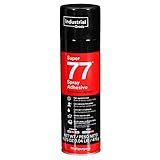
- VERSATILE ADHESIVE: Bonds a wide range of lightweight materials (i.e., paper, cardboard fabric, insulation, plastic, metal, wood, felt, fiberglass, foam, leather, and more)
- INDUSTRIAL GRADE: Provides professional, industrial strength for demanding applications
- AGGRESSIVE TACK: Offers a fast, aggressive tack for a quick bond that reduces set time
- BOND TIME: Allows for a bond time of 15 seconds to 30 minutes
- REPOSITIONABLE: Initially repositionable while providing long lasting strength; Helps to create soft, non dimpling glue lines
4. Add the legs:
- What to do: Attach the legs to the corners of your assembled base frame.
- What “good” looks like: Legs securely attached and flush with the frame, providing stable support.
- Common mistake and how to avoid it: Legs not evenly attached, causing the table to rock. Avoid by marking leg placement precisely and using appropriate fasteners for the leg type.
5. Build the hidden compartment box:
- What to do: Construct the inner box or mechanism that will form the hidden compartment. This might be a simple box, a sliding drawer, or a frame for a lift mechanism.
- What “good” looks like: A compartment that fits snugly within the main table frame, with smooth operation for opening and closing.
- Common mistake and how to avoid it: Compartment too tight or too loose. Avoid by dry-fitting components before final assembly and ensuring proper clearances for moving parts.
6. Integrate the compartment mechanism:
- What to do: Install the chosen mechanism for your hidden compartment (e.g., hinges for a lift-top, drawer slides for a pull-out, or a custom sliding track).
- What “good” looks like: The compartment opens and closes smoothly and securely, without binding or excessive play.
- Common mistake and how to avoid it: Misaligned hardware causing the compartment to stick. Avoid by carefully marking hinge/slide placement and using a level.
7. Attach the table top:
- What to do: Secure the main table top to the assembled base. If using a lift-top, this will be part of the lift mechanism.
- What “good” looks like: The top is flush with the base (unless designed otherwise) and securely fastened, providing a stable surface.
- Common mistake and how to avoid it: Fastening the top too rigidly, leading to wood movement issues. Avoid by using Z-clips, tabletop fasteners, or elongated screw holes to allow for seasonal expansion/contraction.
8. Sand and prepare for finishing:
- What to do: Sand all surfaces thoroughly, starting with a coarser grit (e.g., 80-120) and progressing to finer grits (e.g., 180-220) for a smooth finish.
- What “good” looks like: All surfaces are smooth to the touch, free of splinters, tool marks, and rough spots.
- Common mistake and how to avoid it: Not sanding enough, leading to a rough finish. Avoid by taking your time and checking all surfaces carefully before moving to a finer grit.
Achieving a smooth finish is crucial, so have a variety of sanding paper grits on hand for a professional look.

- FAST CUT: Delivers a 30% faster cut compared to other premium abrasives
- LASTS LONGER: Cubitron II abrasives last at least 30% longer than other premium abrasives
- LESS PRESSURE REQUIRED: Sharp cutting Precision Shaped Grains produce excellent results with less disc pressure
- EXCELLENT DUST EXTRACTION: Multi-hole pattern helps dust extraction sanders keep the work surface cleaner
- FAST DISC CHANGE-OUTS: 3M Hookit hook-and-loop attachment makes changing discs easy
9. Apply finish:
- What to do: Apply your chosen finish – stain, paint, polyurethane, or a combination – according to the product’s instructions.
- What “good” looks like: An even, durable finish that enhances the wood’s appearance and protects it.
- Common mistake and how to avoid it: Uneven application or inadequate drying time between coats. Avoid by applying thin, even coats and allowing full drying time as per manufacturer instructions.
Once everything is sanded smooth, apply your chosen wood stain to bring out the beauty of the grain.

- EFFECTIVE ON ALL WOOD SURFACES and QUICK DRYING: Furniture Clinic Wood Stain is a fast drying and highly concentrated wood stain making it effective on all indoor and outdoor wood surfaces. Our wood stain provides excellent coverage and ensures even color penetration. It's water based, environmentally friendly, and dries to a natural matte finish in only 10 minutes.
- COMES IN 12 COLORS - VISIBLE WITH ONE COAT: Our wood stain comes in 12 colors ranging from dark to light and can be purchased in multiple sizes. It evenly covers and stains wood in one coat, restoring old and tired wood with a new finish.
- COVERAGE: Available in three sizes to suit your needs, our 250ml bottle covers 3m², our 500ml bottle covers 6m², and our 2500ml (or 1 gallon) bottle covers 30m², making it easy to choose the right amount for your project.
- WATER BASED and SAFE TO USE: The water based formula of our stain is safer for your wood and the environment than other wood stains. It's low odor, non-toxic, easy to use, and easy to clean up! Ideal for use on all interior wood projects: furniture, cabinets, doors, trim, floors and more.
- USE IN COMBINATION WITH: After staining wood, you should finish the job by sealing the stain in with one of our Furniture Clinic Wood Waxes, Wood Varnishes or Wood Oils. These will bring out the color of the stain further, provide additional protection and can be used to alter the finish to either satin or gloss.
Common mistakes (and what happens if you ignore them)
| Mistake | What it causes | Fix |
|---|---|---|
| Inaccurate measurements | Gaps, ill-fitting parts, wobbly table, wasted material. | Measure twice, cut once. Use a reliable tape measure and square. |
| Not pre-drilling pilot holes | Wood splitting, especially near edges or with hardwoods. | Always pre-drill pilot holes slightly smaller than the screw shank. |
| Using weak joinery methods | Table becomes unstable, joints fail over time. | Employ strong joints like pocket holes, dowels, mortise and tenon, or robust fasteners. |
| Forgetting to square the frame | Table will be crooked, uneven, and potentially unstable. | Use a framing square or speed square during assembly and clamping. |
| Ignoring wood grain direction | Tear-out during cutting, weaker joints, unsightly finish. | Pay attention to grain when cutting and orient pieces for strength and aesthetics. |
| Not accounting for wood movement | Cracks, warping, or joints separating as humidity changes. | Use appropriate joinery (e.g., Z-clips for tabletops) that allows for expansion/contraction. |
| Skipping sanding steps | Rough, uneven finish; stain/paint won’t adhere properly. | Progress through grits (e.g., 80, 120, 180, 220) for a smooth surface. |
| Rushing the finishing process | Uneven color, drips, poor adhesion, lack of durability. | Apply thin, even coats and allow full drying time between applications. |
| Not testing compartment mechanism | Compartment sticks, binds, or doesn’t close securely. | Dry-fit and test the mechanism thoroughly before final assembly and finishing. |
| Using inadequate hardware | Compartment sags, breaks, or operates poorly. | Choose heavy-duty hinges, slides, or lift mechanisms appropriate for the weight. |
Decision rules for your coffee table with hidden compartment
- If you want easy access to the entire compartment, then consider a lift-top mechanism because it raises the top entirely.
- If you need a simple, discreet storage space, then a sliding panel on the side or top is a good choice because it blends seamlessly with the table’s design.
- If you plan to store heavier items, then use solid hardwood for the table and compartment base because it offers superior strength and durability.
- If you are a beginner woodworker, then start with a simpler box-style compartment because it involves fewer complex moving parts.
- If you want a clean, modern look, then use pocket hole joinery because the fasteners are hidden from view.
- If you are concerned about dust or spills, then include a sealed bottom for your hidden compartment because it protects contents from debris.
- If you want to protect the wood and enhance its appearance, then apply multiple coats of polyurethane because it provides a durable, protective finish.
- If your table will be in a high-traffic area, then opt for sturdy, thick legs because they will provide greater stability and resistance to bumps.
- If you need to hide power cords or charging cables, then consider adding a small grommet hole inside the compartment because it allows for discreet cable management.
- If you’re unsure about wood dimensions, then cut pieces slightly oversized and trim them down because it’s easier to remove wood than to add it.
FAQ
What kind of wood is best for building a coffee table with hidden compartment?
Durable hardwoods like oak, maple, or walnut are excellent for their strength and beauty. For a more budget-friendly option, pine or high-quality plywood can also work well, especially if you plan to paint the table. Consider the overall weight and intended use.
How do I make sure the hidden compartment is truly “hidden”?
Achieving a truly hidden compartment involves careful design and execution. Ensure tight tolerances, minimal gaps, and a consistent finish across all surfaces. Using flush-mount hardware and camouflaging seams with clever joinery or trim can also help the compartment blend in seamlessly.
What are common types of hidden compartment mechanisms?
Popular mechanisms include lift-tops, which often use gas struts or spring hinges; sliding tops or panels that reveal a compartment underneath; and pull-out drawers that are cleverly disguised as part of the table’s apron or side. Each offers different access and storage capabilities.
How do I prevent my DIY coffee table from wobbling?
Wobbling usually stems from uneven legs, loose joints, or an unsquared frame. Ensure all cuts are precise, use strong joinery methods, and check the frame for squareness during assembly. Leveling feet can also be added to adjust for uneven floors.
Can I add power outlets inside the hidden compartment?
Yes, it’s possible to add power outlets or USB charging ports inside. However, this requires electrical work and should only be done by someone familiar with electrical safety. Ensure proper ventilation if you plan to store electronics that generate heat.
How long does it take to build a coffee table with hidden compartment?
The time commitment varies greatly depending on your skill level, the complexity of the design, and the tools available. A simple design might take a weekend, while a more intricate table with a complex compartment could take several weekends or longer, including finishing time.
What this page does NOT cover (and where to go next)
- Specific plans or blueprints for a DIY coffee table with hidden compartment (consider woodworking magazines or online plans).
- Detailed electrical wiring instructions for adding outlets (consult a licensed electrician).
- Advanced woodworking joinery techniques (research specific joint types like dovetails or mortise and tenon).
- Detailed instructions for specific hardware brands or types (refer to manufacturer’s instructions).
- Furniture upholstery or padding for comfort (explore furniture making resources).
- Painting or staining techniques for specific wood types (look into wood finishing guides).