
Brewing Black Coffee To Stay Awake And Alert
Quick answer
- Choose a medium-dark roast for a robust flavor that signals alertness.
- Grind beans fresh, just before brewing, for maximum aroma and caffeine retention.
- Use clean, filtered water heated to 195-205°F for optimal extraction.
- Aim for a 1:15 to 1:17 coffee-to-water ratio for a balanced, strong cup.
- Keep your brewing equipment spotless to prevent off-flavors and maintain consistency.
- Brew a slightly stronger batch if you need an extra kick, but avoid over-extraction.
- Drink your black coffee within 20-30 minutes of brewing for peak freshness and effect.
Who this is for
- Busy professionals or students needing a reliable morning or afternoon energy boost.
- Individuals who prefer the pure taste of coffee without milk, sugar, or other additives.
- Home brewers looking to refine their technique for a consistently strong, clean cup of black coffee.
What to check first
Brewer type and filter type
The type of brewer you use affects the final taste and strength. A drip coffee maker is common for convenience, while a French press or AeroPress can offer more control over extraction and a richer body.
- Drip coffee maker: Often uses paper filters, which produce a cleaner cup with less sediment. Some have permanent mesh filters, which allow more oils through for a fuller body.
- French press: Uses a mesh filter, resulting in a full-bodied coffee with more sediment and oils. This method can yield a very strong cup if brewed correctly.
- Pour-over: Uses paper filters, offering a clean, nuanced cup. Requires more technique but allows for precise control over extraction.
If you prefer a richer, full-bodied coffee with more control over the brewing process, a French press is an excellent alternative. This classic French press is a great way to achieve that.

- Wash in warm, soapy water before first use and dry thoroughly
- Not for stovetop use
- Turn lid to close spout
- Easy-to-clean glass carafe
For a convenient and consistent cup, a drip coffee maker is a popular choice. If you’re looking for a reliable option, consider this model.
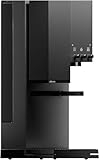
- 1. Three Levels of Automation for Any Skill Level: Choose from Autopilot, Copilot, or Free Solo mode. Autopilot handles the entire brewing process automatically. Copilot provides step-by-step guidance. Free Solo gives you full manual control. This coffee machine works for beginners and professional baristas alike.
- 2. Intuitive User Interface with Tactile Knobs and LED Matrix: The Studio features physical control knobs and a clear LED Matrix display. You can adjust grind size, water temperature, and flow rate in real time without navigating complicated touchscreen menus.
- 3. Full Customization via the xBloom App: Use the xBloom app to create, adjust, save, and share your favorite coffee recipes. Every brewing parameter can be fine-tuned and synced to the machine instantly. Your perfect cup is saved and repeatable.
- 4. Compostable xPod System for Minimal Waste and Maximum Flavor: Each xPod contains carefully selected whole beans and a built-in filter. Tap the recipe card, pour the beans into the grinder, place the pod into the dock, and press start. No capsules, no extra paper filters, no unnecessary waste.
- 5. What Is Included in the Box: The package includes the xBloom Studio, Omni Dripper 2 with Hyperflow Bottom, 10 paper filters, xPod Dock, Magnetic Dosing Cup, default recipe card, quick start guide, cleaning brush, and universal power cord. Everything you need is included.
Water quality and temperature
Water makes up over 98% of your coffee, so its quality is paramount. Tap water can contain minerals or chlorine that negatively impact taste.
- Filtered water: Use filtered water (e.g., from a Brita or refrigerator filter) for the best taste. Avoid distilled water, which lacks minerals necessary for good extraction.
- Temperature: Water temperature is crucial for extracting the right compounds from the coffee. Aim for water between 195°F and 205°F. Too cold, and your coffee will be weak and sour; too hot, and it will be bitter and over-extracted.
Grind size and coffee freshness
The grind size directly impacts extraction. For black coffee, a consistent grind is key to avoiding uneven extraction.
- Grind size: For drip coffee makers and pour-overs, a medium grind (like coarse sand) is usually ideal. For French press, a coarser, more uniform grind is best. For AeroPress, a fine to medium-fine grind works well.
- Freshness: Coffee beans begin to lose their flavor and aroma shortly after roasting. Always buy freshly roasted beans (check the roast date) and grind them just before brewing. Pre-ground coffee stales quickly, leading to a flat, less potent cup.
Coffee-to-water ratio
This ratio determines the strength of your coffee. For a strong cup of black coffee, you’ll want to be on the higher end of the recommended range.
- Standard ratio: A common starting point is a 1:16 ratio (1 gram of coffee to 16 grams of water). For a stronger cup, you might go as high as 1:15 or even 1:14.
- Measurement: Use a kitchen scale to measure both your coffee beans and water for consistent results. Volume measurements (scoops) can be inaccurate.
Cleanliness/descale status
Residual coffee oils and mineral deposits can build up in your brewer, leading to off-flavors and reduced performance.
- Daily cleaning: Rinse all removable parts (carafe, filter basket) with hot water after each use.
- Regular descaling: Descale your brewer every 1-3 months, depending on your water hardness and usage. Follow your manufacturer’s instructions, often involving a vinegar solution or a commercial descaling agent. This removes mineral buildup and ensures your heating element works efficiently.
Step-by-step how to make black coffee to stay awake
1. Heat your water:
- What to do: Fill your kettle with filtered water and heat it to 195-205°F. If you don’t have a temperature-controlled kettle, bring water to a boil and let it sit for 30-60 seconds.
- What “good” looks like: Water is visibly steaming but not at a rolling boil, indicating it’s in the optimal extraction range.
- Common mistake and how to avoid it: Using water that’s too hot (boiling) can scorch the coffee, leading to a bitter taste. Using water that’s too cool results in under-extracted, sour coffee. Avoid by using a thermometer or letting boiled water cool slightly.
2. Measure your coffee beans:
- What to do: Use a digital scale to weigh your whole coffee beans. For a strong cup, aim for a 1:15 or 1:16 coffee-to-water ratio (e.g., 25 grams of coffee for 375-400 grams of water, roughly 12-13.5 fl oz).
- What “good” looks like: Precise measurement ensures consistent strength cup after cup.
- Common mistake and how to avoid it: Using scoops, which can vary wildly in how much coffee they hold. Avoid by always using a digital scale.
3. Grind your coffee:
- What to do: Grind your measured whole beans just before brewing. Adjust grind size based on your brewing method (medium for drip/pour-over, coarse for French press, fine-medium for AeroPress).
- What “good” looks like: A consistent grind with minimal fines or boulders, resembling coarse sand for drip, or sea salt for French press.
- Common mistake and how to avoid it: Using pre-ground coffee or an inconsistent blade grinder. Avoid by investing in a burr grinder and grinding fresh.
4. Prepare your brewer:
- What to do: Place your filter in the filter basket. For paper filters, rinse them thoroughly with hot water to remove any paper taste and pre-heat the brewing vessel. Discard the rinse water.
- What “good” looks like: The filter is saturated, and the brewing vessel is warm to the touch.
- Common mistake and how to avoid it: Skipping the rinse, which can impart a papery taste to your coffee. Avoid by always rinsing paper filters.
5. Add ground coffee:
- What to do: Transfer the freshly ground coffee into the prepared filter basket, ensuring it’s evenly distributed. Gently tap the basket to level the bed of coffee.
- What “good” looks like: An even, flat bed of coffee grounds, ready for saturation.
- Common mistake and how to avoid it: Uneven coffee bed, which can lead to channeling and uneven extraction. Avoid by gently shaking or tapping the basket.
6. Bloom (for manual methods like pour-over/French press):
- What to do: Slowly pour a small amount of hot water (about twice the weight of your coffee grounds) over the grounds, just enough to saturate them. Let it sit for 30-45 seconds.
- What “good” looks like: The coffee grounds “bloom” or expand, releasing trapped CO2.
- Common mistake and how to avoid it: Skipping the bloom, which can lead to sour coffee due to inadequate gas release. Avoid by always blooming your coffee. (Note: Drip machines handle this automatically.)
7. Brew your coffee:
- What to do: For drip machines, start the brew cycle. For manual methods, continue pouring the remaining hot water slowly and evenly over the grounds in a circular motion, aiming for a total brew time of 3-4 minutes (drip/pour-over) or 4 minutes of steeping (French press).
- What “good” looks like: A steady, even stream of coffee flowing into the carafe, or a consistent steeping time in a French press.
- Common mistake and how to avoid it: Pouring too fast or too slow, or unevenly, leading to over- or under-extraction. Avoid by maintaining a consistent pour rate and even saturation.
8. Serve immediately:
- What to do: Once brewing is complete, remove the filter basket (if applicable) and pour your black coffee into a pre-warmed mug.
- What “good” looks like: A hot, aromatic cup of black coffee, ready to be enjoyed.
- Common mistake and how to avoid it: Letting coffee sit on a hot plate for too long, which “cooks” it and develops a burnt taste. Avoid by serving and consuming promptly, or transferring to a thermal carafe.
Common mistakes (and what happens if you ignore them)
| Mistake | What it causes | Fix |
|---|---|---|
| Using stale beans | Flat, weak flavor, less caffeine effect | Buy freshly roasted beans, check roast date, store in airtight container away from light/heat. |
| Incorrect grind size | Under-extracted (sour) or over-extracted (bitter) coffee | Adjust grind size for your brewing method; use a burr grinder for consistency. |
| Wrong water temperature | Sour (too cold) or bitter (too hot) coffee | Use a thermometer or let boiled water cool to 195-205°F. |
| Inaccurate coffee-to-water ratio | Too weak or too strong (unpleasantly so) coffee | Use a digital scale to measure both coffee and water precisely. |
| Dirty brewing equipment | Off-flavors, residue buildup, reduced machine lifespan | Clean all parts daily, descale regularly per manufacturer instructions. |
| Not rinsing paper filters | Papery taste in your coffee | Always rinse paper filters with hot water before adding coffee grounds. |
| Letting coffee sit on a hot plate | Burnt, acrid taste | Serve immediately or transfer to a thermal carafe; avoid reheating. |
| Not blooming (for manual methods) | Sour, underdeveloped flavor | Pour a small amount of hot water to saturate grounds and let sit for 30-45 seconds. |
| Using hard or chlorinated tap water | Unpleasant taste, mineral buildup | Use filtered water for brewing. |
| Uneven pouring/saturation (manual methods) | Uneven extraction, weak or bitter spots | Pour slowly and evenly in concentric circles to fully saturate all grounds. |
Decision rules for how to make black coffee to stay awake
- If your black coffee tastes sour or weak, then your grind is likely too coarse or your water temperature is too low because the coffee isn’t extracting enough.
- If your black coffee tastes bitter or acrid, then your grind is likely too fine or your water temperature is too high because the coffee is over-extracting.
- If your coffee lacks a strong aroma, then your beans are probably stale or you’re not grinding fresh because aroma compounds dissipate quickly.
- If you’re using a drip machine and the coffee is always weak, then increase your coffee-to-water ratio (more coffee) because the machine’s brew time is fixed.
- If you notice a metallic or plastic taste, then your brewing equipment needs a thorough cleaning or descaling because mineral buildup or old oils are tainting the flavor.
- If your coffee cools too quickly, then pre-warm your mug before pouring because a cold mug rapidly draws heat from the coffee.
- If your black coffee isn’t giving you the desired alertness, then try a darker roast or slightly increase your coffee-to-water ratio because darker roasts can have a more pronounced flavor and higher ratios increase caffeine.
- If your pour-over or French press brew time is too short, then your grind is too coarse because water is flowing through too quickly.
- If your pour-over or French press brew time is too long, then your grind is too fine because water is getting bogged down.
- If you’re consistently getting inconsistent results, then invest in a digital scale and a burr grinder because precision and consistency are key to quality brewing.
FAQ
Does black coffee have more caffeine than coffee with milk or sugar?
No, adding milk or sugar does not change the amount of caffeine in your coffee. The caffeine content is determined by the coffee beans and the brewing method. However, drinking it black means you’re consuming pure coffee without any diluting agents or added calories.
What kind of coffee beans are best for staying awake?
Darker roasts often have a more intense flavor profile that can feel more “waking,” though caffeine content varies less by roast level than by bean type (Robusta has more caffeine than Arabica). Choose a medium-dark to dark roast for a robust, stimulating flavor.
How much black coffee is too much?
For most healthy adults, up to 400 milligrams of caffeine per day is considered safe, which is roughly four 8-ounce cups of brewed coffee. However, individual tolerance varies, so listen to your body and adjust consumption if you experience jitters or anxiety.
Can I reheat black coffee?
It’s generally not recommended to reheat black coffee. Reheating can “cook” the coffee further, leading to a burnt, bitter, and stale taste. It’s best to brew only what you plan to drink immediately or store leftovers in an insulated carafe.
Why does my black coffee taste burnt even when I brew it correctly?
A burnt taste can often be attributed to stale beans, water that’s too hot, or over-extraction from too fine a grind. It can also occur if coffee sits on a hot plate for too long after brewing. Check your water temperature and bean freshness first.
Is it better to drink black coffee hot or cold for alertness?
The temperature of your coffee does not affect its caffeine content or ability to keep you awake. Both hot and cold brew black coffee will provide the stimulating effects of caffeine. Choose whichever you prefer for enjoyment.
What this page does NOT cover (and where to go next)
- Specific brand recommendations for coffee beans or brewing equipment.
- Detailed instructions for advanced brewing methods like espresso or cold brew.
- The science behind caffeine’s effects on the body.
- Recipes for flavored black coffee or coffee cocktails.
- How to grow or roast your own coffee beans.
- Nutritional information or health benefits beyond alertness.