
Decaf Iced Coffee: Available Options and Brands
Quick answer
- Yes, decaf iced coffee is widely available from many brands and in various forms.
- You can find pre-made decaf iced coffee in bottles or cans at most grocery stores.
- Many coffee shops offer decaf iced coffee as a standard menu item.
- Brewing your own decaf iced coffee at home is also a simple and common option.
- The availability of specific decaf iced coffee brands can vary by region and retailer.
If you’re looking for convenience, pre-made decaf iced coffee is widely available. You can easily find options like decaf iced coffee in bottles or cans at most grocery stores.
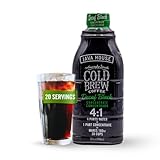
- CONCENTRATED COLD BREW: A convenient unsweetened, concentrated 4:1 strength for instant cold brew.
- JUST ADD WATER: Prepare batches of any size. mix 1 part concentrate with 4 parts water.
- BOLD FLAVOR: Molasses, walnut and cocoa hints with a touch of fruitiness and none of the bitterness.
- SMALL BATCH: Cold water steeped in small batches for 12 hours or more.
- SERVE HOT OR ICED: Premium 100% arabica coffee beans, steeped to perfection. Serve over ice or hot.
Key terms and definitions
- Decaffeination: The process of removing caffeine from coffee beans, typically using chemical solvents or water-based methods.
- Iced Coffee: Coffee that has been brewed hot and then cooled, usually served over ice, often with milk and sweetener.
- Cold Brew: Coffee brewed by steeping coffee grounds in cold water for an extended period (12-24 hours), resulting in a smoother, less acidic concentrate.
- Concentrate: A strong, pre-brewed coffee liquid, often used as a base for iced coffee or other coffee drinks.
- Ready-to-Drink (RTD): Beverages that are pre-packaged and ready to be consumed without further preparation.
- Single-Origin: Coffee beans that come from a single geographical location, offering a distinct flavor profile.
- Blend: A mix of coffee beans from different origins, created to achieve a specific flavor balance.
- Roast Level: The degree to which coffee beans have been roasted, affecting their flavor, aroma, and color (e.g., light, medium, dark).
- Acidity: A desirable bright, tangy flavor in coffee, often perceived as a pleasant sharpness.
- Body: The perceived weight or richness of coffee in the mouth.
How it works
- Decaffeination Process: Coffee beans are treated to remove caffeine. Common methods include using solvents like ethyl acetate or methylene chloride, or water-based processes like the Swiss Water Process, which avoid chemicals.
- Brewing Hot Coffee for Iced Coffee: Standard hot coffee is brewed using methods like drip, pour-over, or French press. It’s then chilled rapidly, often by pouring over ice, to prevent dilution from melting ice.
- Cold Brew Method: Coarsely ground decaf coffee beans are steeped in cold water for 12 to 24 hours. This slow extraction process yields a smooth, low-acid coffee concentrate.
- Concentrate Dilution: The resulting decaf cold brew concentrate is typically diluted with water, milk, or a milk alternative before serving over ice.
- Ready-to-Drink (RTD) Production: Manufacturers brew decaf coffee, often using large-scale commercial equipment. They then package it into bottles or cans, sometimes adding milk, sweeteners, and flavorings.
- Flash Chilling: Some iced coffee is rapidly chilled immediately after brewing to preserve its fresh flavor and aroma.
- Flavor Infusion: Decaf iced coffee can be flavored during the brewing process or by adding syrups, spices, or extracts.
- Serving Temperature: Whether hot-brewed and chilled or cold-brewed, the final beverage is served very cold, typically over ice.
For those who prefer to brew at home, the cold brew method is a popular choice for smooth, low-acid coffee. Consider investing in a dedicated iced coffee maker to simplify the process.

- BREW BY THE CUP OR CARAFE: Brews both K-Cup pods and coffee grounds.
- MULTISTREAM TECHNOLOGY: Saturates the grounds evenly to extract full flavor and aroma in every cup, hot or cold.
- BREW OVER ICE: Adjusts temperature for maximum flavor and less ice melt for single-cup iced coffees and teas.
- STRONG BREW & EXTRA HOT FUNCTIONALITY: Brews a stronger, more intense-flavored cup and the extra hot feature brews a hotter single cup.
- MULTIPLE BREW SIZES: Brew 6, 8, 10, or 12oz single cups or 6, 8, 10, or 12-cup carafes. 12-cup glass carafe specially designed to limit dripping.
What affects the result
- Decaffeination Method: Different decaffeination processes can subtly alter the coffee bean’s flavor profile, impacting the final taste of your decaf iced coffee.
- Coffee Bean Origin and Variety: Just like regular coffee, the inherent characteristics of the decaf beans (e.g., origin, varietal) will influence the flavor notes.
- Roast Level: A lighter roast might offer brighter, fruitier notes in decaf iced coffee, while a darker roast can yield bolder, chocolatey or nutty flavors.
- Grind Size: The fineness or coarseness of the coffee grounds is crucial. Too fine a grind can lead to over-extraction and bitterness, especially in cold brew.
- Water Quality: Filtered water is recommended for brewing any coffee, as impurities can affect the taste of your decaf iced coffee.
- Water-to-Coffee Ratio: The proportion of water to coffee grounds directly impacts the strength of the brew. Too little coffee results in a weak drink; too much can lead to bitterness if not properly extracted.
- Brewing Method: Drip, pour-over, French press, and cold brew all extract coffee differently, leading to distinct flavor profiles in your decaf iced coffee.
- Brewing Time: For cold brew, the steeping time is critical. Too short, and it will be weak; too long, and it can become overly bitter.
- Freshness of Beans: Even decaf beans lose their optimal flavor over time. Fresher beans will generally produce a more vibrant tasting decaf iced coffee.
- Chilling Method: Rapidly chilling hot-brewed coffee helps lock in flavor, whereas slow cooling might allow for some flavor degradation.
- Additives: Milk, cream, sweeteners, and flavorings will significantly alter the final taste of your decaf iced coffee.
- Ice Quality: Large, dense ice cubes melt slower, diluting your drink less than smaller, faster-melting ice.
Pros, cons, and when it matters
- Pro: Caffeine-Free Enjoyment: The primary benefit is enjoying the taste of coffee without the stimulating effects of caffeine, ideal for late-day consumption or for those sensitive to caffeine.
- Con: Potential Flavor Differences: Some decaffeination processes can subtly alter the original flavor profile of the coffee bean, though many modern methods are very effective at preserving taste.
- Pro: Wide Availability: Decaf iced coffee is readily available in many forms, from pre-packaged drinks to being offered at most coffee shops and for home brewing.
- Con: Less “Kick”: For those who enjoy the energizing effect of caffeine, decaf iced coffee will not provide that boost.
- Pro: Sleep-Friendly: Perfect for individuals who want to enjoy a coffee beverage in the evening without disrupting their sleep patterns.
- Con: Can Still Be Acidic: While caffeine contributes to acidity, the coffee beans themselves and the brewing method can still result in a beverage with noticeable acidity.
- Pro: Versatile for Home Brewing: Easily made at home using your preferred brewing method and decaf beans, offering control over ingredients and strength.
- Con: May Require Different Brewing Techniques: Cold brewing decaf beans can sometimes require adjustments in grind size or steep time compared to regular coffee for optimal results.
- Pro: Great for Sensitive Individuals: A good option for people who experience jitters, anxiety, or digestive issues from caffeine.
- Con: Not Always “Pure” Coffee: Pre-made RTD decaf iced coffees often contain added sugars, milk, and artificial flavors, which may not appeal to purists.
- Pro: Satisfies Cravings: Allows coffee lovers to indulge in the ritual and flavor of coffee without the caffeine.
- Con: Decaf Quality Varies: The quality and taste of decaf beans can differ significantly between brands, so experimentation may be needed to find a favorite.
Common misconceptions
- Myth: Decaf coffee has no caffeine at all.
- Reality: Decaffeination processes remove most, but not all, of the caffeine. A typical 8 oz cup of decaf coffee contains about 2-15 mg of caffeine, compared to 95 mg or more in regular coffee.
- Myth: Decaf coffee tastes significantly worse than regular coffee.
- Reality: Modern decaffeination methods are highly effective at preserving the original flavor of the coffee bean. The difference is often subtle, especially when brewed well.
- Myth: All decaffeination processes use harsh chemicals.
- Reality: While some methods use chemical solvents, others, like the Swiss Water Process or CO2 process, are chemical-free.
- Myth: Decaf coffee is just regular coffee with water added.
- Reality: Decaf coffee is made from beans that have undergone a decaffeination process before roasting and brewing.
- Myth: Brewing decaf coffee at home is difficult.
- Reality: Brewing decaf iced coffee at home is as simple as brewing regular coffee. You can use drip machines, pour-over, or cold brew methods with decaf beans.
- Myth: Decaf coffee is always bitter.
- Reality: Bitterness in coffee is usually due to over-extraction, a poor grind, or the type of bean and roast, not necessarily the absence of caffeine.
- Myth: Decaf coffee is only for people who don’t like coffee.
- Reality: Many people enjoy the flavor of coffee but choose decaf for health, sleep, or personal preference reasons.
- Myth: You can’t make good decaf cold brew.
- Reality: Decaf cold brew can be excellent, often resulting in a smooth, low-acid beverage. Experimentation with grind and steep time is key.
FAQ
Q1: Where can I buy decaf iced coffee?
You can find decaf iced coffee at most major grocery stores, convenience stores, and specialty coffee shops. Many brands offer ready-to-drink (RTD) options in bottles or cans.
Q2: Can I make decaf iced coffee at home easily?
Yes, making decaf iced coffee at home is straightforward. You can brew decaf coffee hot and chill it, or use the cold brew method with decaf beans.
Q3: What are the best brands for decaf iced coffee?
“Best” is subjective and depends on your taste preferences. Popular brands offering decaf iced coffee include Starbucks, Dunkin’, Peet’s Coffee, and various grocery store private labels. It’s recommended to try a few to find your favorite.
Q4: Does decaf iced coffee taste different from regular iced coffee?
The taste difference can be subtle. Modern decaffeination methods preserve flavor well, but some people may notice slight variations. The brewing method and added ingredients also play a significant role.
Q5: Is decaf iced coffee healthier than regular iced coffee?
Decaf iced coffee eliminates the stimulant effects of caffeine, which can be beneficial for those sensitive to it or wanting to avoid it before bed. If comparing to sweetened RTD versions, the sugar content is a more significant health factor than the decaf aspect.
Q6: How long does decaf iced coffee last once brewed?
Homemade decaf iced coffee, if stored properly in an airtight container in the refrigerator, typically lasts 3-4 days. Pre-packaged RTD versions have longer shelf lives indicated by their packaging.
Q7: What is the difference between decaf iced coffee and decaf cold brew?
Decaf iced coffee is usually hot-brewed decaf coffee that’s been chilled. Decaf cold brew is made by steeping decaf coffee grounds in cold water for an extended period, resulting in a smoother, less acidic concentrate.
What this page does NOT cover (and where to go next)
- Specific brand taste profiles and detailed reviews of every decaf iced coffee product. (Next: Explore coffee blogs and review sites for in-depth product comparisons.)
- The precise chemical processes used in decaffeination. (Next: Research scientific journals or dedicated coffee resources on decaffeination technologies.)
- Nutritional information for every single decaf iced coffee product on the market. (Next: Check product packaging or manufacturer websites for specific nutritional data.)
- Advanced home brewing techniques for maximizing decaf flavor. (Next: Look for guides on optimizing grind size, water temperature, and brew ratios for decaf coffee.)