
Avoiding the Afternoon Slump: Coffee’s Role
Quick answer
- Coffee’s caffeine can boost alertness, but it’s not a magic bullet for the afternoon slump.
- The timing of your coffee, sleep quality, and diet play bigger roles than the coffee itself.
- Too much caffeine late in the day can mess with your sleep, making slumps worse.
- Consider your individual tolerance; some folks handle caffeine better than others.
- Hydration and a balanced meal are often better first steps for that 3 PM feeling.
- It’s more about managing your energy than just drinking coffee.
Key terms and definitions
- Caffeine: The natural stimulant found in coffee beans that affects your central nervous system.
- Adenosine: A neurotransmitter that builds up in your brain throughout the day, making you feel tired. Caffeine blocks its receptors.
- Circadian Rhythm: Your body’s internal 24-hour clock that regulates sleep-wake cycles and other biological processes.
- Half-life: The time it takes for half of a substance (like caffeine) to be eliminated from your body. For caffeine, it’s typically 3-5 hours.
- Sleep Debt: The cumulative effect of not getting enough sleep over time.
- Blood Sugar Spike: A rapid increase in blood glucose levels, often after eating sugary or refined foods.
- Cortisol: A hormone produced by your adrenal glands, often called the “stress hormone,” which also plays a role in alertness.
- Tolerance: When your body gets used to a substance, like caffeine, requiring more of it to achieve the same effect.
- Dehydration: Lack of sufficient water in the body, which can lead to fatigue and reduced cognitive function.
- Nutrient Timing: The idea that consuming certain nutrients at specific times can impact performance or recovery, though its impact on coffee-induced slumps is debated.
How it works
- Coffee contains caffeine, a stimulant.
- Caffeine blocks adenosine receptors in your brain.
- This prevents adenosine from signaling tiredness.
- It also triggers the release of adrenaline.
- Adrenaline increases heart rate and blood flow.
- This leads to a temporary boost in alertness and focus.
- Your body metabolizes caffeine over time.
- As caffeine leaves your system, adenosine can bind again.
- This can lead to a feeling of tiredness, sometimes called a “crash.”
- The speed of this process varies per person.
What affects the result
- Caffeine Content: Different roasts and brewing methods yield varying caffeine levels. Darker roasts can have slightly less caffeine by volume, but it’s often minimal.
- Brewing Method: Espresso shots pack a punch, while a large drip coffee might have more total caffeine.
- Amount Consumed: Drinking one cup is different from chugging a whole pot. Obviously.
- Timing: Drinking coffee too late in the afternoon can interfere with nighttime sleep.
- Sleep Quality: If you’re already sleep-deprived, any caffeine boost will be temporary and the slump more pronounced.
- Hydration: Dehydration itself causes fatigue, which can be mistaken for a caffeine crash.
- Diet: A heavy, carb-laden lunch can cause a blood sugar spike and subsequent crash, independent of coffee.
- Individual Metabolism: How quickly your body processes caffeine varies significantly. Genetics play a role.
- Tolerance: Regular coffee drinkers might feel less of a jolt and, therefore, less of a crash.
- Stress Levels: High stress can impact how your body reacts to caffeine and perceived energy levels.
- Medications: Some medications can interact with caffeine metabolism. Always check with your doc.
- Food Intake: Drinking coffee on an empty stomach can lead to a faster absorption and potentially a more noticeable effect.
Pros, cons, and when it matters
- Pro: Increased Alertness: Caffeine is great for that mid-morning or early afternoon pick-me-up.
- Con: Jitters and Anxiety: Too much caffeine can make you feel restless or on edge.
- Pro: Improved Focus: Many find coffee helps them concentrate on tasks.
- Con: Sleep Disruption: Consuming caffeine too late can make falling asleep harder.
- Pro: Mood Enhancement: For some, coffee provides a pleasant mood lift.
- Con: Digestive Issues: Coffee can cause stomach upset or heartburn for sensitive individuals.
- Pro: Antioxidants: Coffee beans contain beneficial antioxidants.
- Con: Dependency: Regular use can lead to caffeine dependence and withdrawal symptoms.
- Pro: Social Ritual: Grabbing coffee with friends or colleagues is a nice break.
- Con: Dehydration Risk: While not a diuretic for regular users, it’s still wise to drink water too.
- When it matters: Crucial for tasks requiring sustained attention, like long drives or important meetings.
- When it matters less: Probably not needed if you’re already well-rested and feeling good.
Common misconceptions
- Myth: Coffee always causes an afternoon crash. Not necessarily. It depends on many factors, including your tolerance and sleep.
- Myth: Dark roast coffee has more caffeine. Usually, it’s the opposite or very similar by weight. The roast just affects flavor.
- Myth: You need coffee to be productive. Many people thrive without it, or with other energy sources.
- Myth: Coffee makes you dehydrated. For regular drinkers, it has a mild diuretic effect, but it’s usually not significant enough to cause dehydration on its own.
- Myth: The crash is only from caffeine wearing off. It’s often a combination of caffeine leaving, adenosine returning, and natural circadian dips.
- Myth: You can “power through” a slump with more coffee. This can lead to jitters and disrupt sleep, making the problem worse long-term.
- Myth: Espresso is stronger than drip coffee. An espresso shot has more caffeine per ounce, but a standard mug of drip coffee often contains more total caffeine.
- Myth: Coffee is inherently bad for you. In moderation, for most people, it has health benefits.
- Myth: Adding sugar doesn’t matter. Sugar causes its own spike and crash, compounding any caffeine effect.
- Myth: Caffeine is the only thing in coffee that affects energy. Other compounds contribute to the overall experience.
FAQ
Does coffee make you crash in the afternoon?
Sometimes. It depends on how much you drink, when you drink it, your sleep quality, and your personal tolerance to caffeine. The “crash” is often a combination of caffeine wearing off and your body’s natural energy dip.
How much caffeine is too much for an afternoon pick-me-up?
For most adults, up to 400 milligrams of caffeine per day is considered safe. However, consuming caffeine within 6-8 hours of bedtime can disrupt sleep. Pay attention to how your body feels.
What’s the best time to drink coffee to avoid a slump?
Many experts suggest waiting an hour or two after waking up. Your natural cortisol levels are highest then. For an afternoon boost, aim for before 2 PM to avoid interfering with sleep.
Can I drink coffee if I didn’t sleep well?
Yes, but be cautious. You might feel the effects more strongly, and it could lead to more pronounced jitters or a harder crash. It’s not a substitute for good sleep.
Is there a way to drink coffee without crashing?
Focus on moderation, timing, and pairing it with good sleep and a balanced diet. Stay hydrated with water, and avoid sugary additions. Listen to your body.
If coffee isn’t your thing or you’re looking for a more controlled dose, caffeine supplements can offer a similar pick-me-up. Just be mindful of the dosage to avoid jitters.
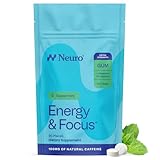
- Fast-Acting Nootropic - Our energy supplements deliver an extra boost of energy and clarity with a blend of natural caffeine, L-theanine, and vitamin b6 & b12. Your go-to chewing gum for work, exercise, and daily focus!
- Clean Energy - Each piece of our sugar free gum delivers 100mg of natural caffeine from green coffee beans for a smooth energy boost without crashes or jitters.
- The Perfect Balance - With 60mg of L-theanine per piece, our energy and focus formula promotes enhanced focus and stress reduction to smooth energy boosts.
- How to Use - Chew one piece of the caffeine gum whenever focus or energy is lacking. Ideal for mornings, pre-workout, or afternoon slumps. Effects typically kick in within minutes thanks to optimal absorption through the mouth.
- Made by Neuro, Backed by Science - At Neuro, we combine neuroscience with clean, science backed ingredients to help you do more, think better, and feel your best every single day.
What if I get the jitters from coffee?
Try a smaller amount, a less caffeinated brew (like decaf or a lighter roast), or switch to tea. Some people are just more sensitive to caffeine.
Does food affect how coffee hits me?
Yes. Drinking coffee on an empty stomach can lead to faster absorption and a more intense effect. Having it with or after a meal can mellow it out.
What are healthier alternatives to coffee for an afternoon energy boost?
Consider a short walk, some stretching, drinking cold water, or eating a balanced snack with protein and fiber. Herbal teas can also be refreshing.
What this page does NOT cover (and where to go next)
- Specific recommendations for coffee beans or brands.
- Detailed instructions on brewing methods like pour-over or espresso.
- Health claims about coffee’s long-term benefits or risks.
- How to troubleshoot specific coffee maker issues.
- Advanced techniques for latte art or complex coffee drinks.