
Avocado Coffee: A Unique and Creamy Drink
Quick Answer
- Blend ripe avocado with coffee for a creamy texture.
- Use cold brew for a smoother flavor profile.
- Sweeten to taste with honey, maple syrup, or agave.
- Add a splash of milk or plant-based alternative for extra richness.
- Don’t over-blend, or it can get too frothy.
- Experiment with spices like cinnamon or cardamom.
Who This Is For
- Adventurous coffee drinkers looking for something new.
- Those who enjoy creamy, smoothie-like beverages.
- People wanting to add healthy fats to their morning routine.
What to Check First
Brewer Type and Filter Type
What kind of coffee maker are you using? Drip, pour-over, French press, espresso? Each has its own way of handling grounds and water. Filter paper can affect the body and clarity of your coffee. Metal filters let more oils through, giving a richer cup.
Water Quality and Temperature
Good coffee starts with good water. Tap water can have off-flavors that mess with your brew. Filtered water is usually best. For avocado coffee, you’ll likely want cold coffee, so water temperature for brewing isn’t as critical as for hot coffee, but it still matters for the initial extraction.
Grind Size and Coffee Freshness
This is huge. For most brewers, a medium grind works. Too fine, and it’s bitter. Too coarse, and it’s weak. Freshly roasted beans, ground just before brewing, make a world of difference. Stale coffee tastes like sadness.
Coffee-to-Water Ratio
This is your strength control. A common starting point is 1:15 to 1:18 (coffee to water by weight). For avocado coffee, you might adjust this based on how strong you want the coffee flavor to cut through the avocado.
Cleanliness/Descale Status
Is your brewer clean? Old coffee oils can turn rancid and ruin a perfectly good cup. If you haven’t descaled your machine in a while, do it. It’s a simple step that pays off big.
Step-by-Step: How to Make Avocado Coffee
1. Brew Your Coffee: Make a batch of coffee. For avocado coffee, cold brew is a fantastic choice because it’s naturally less acidic and smoother. You can also use leftover chilled drip coffee.
- What “good” looks like: A smooth, flavorful coffee that’s cooled down.
- Common mistake: Using hot coffee. This can make the avocado texture weird and potentially cook it slightly, which isn’t the goal. Let it cool completely.
2. Prepare the Avocado: Cut a ripe avocado in half, remove the pit, and scoop out the flesh. You’ll want about a quarter to half of an avocado per serving, depending on how creamy you like it.
- What “good” looks like: Creamy, green avocado flesh. Avoid brown spots or overly hard avocados.
- Common mistake: Using an underripe avocado. It will be hard and won’t blend well, leading to a chunky drink.
3. Combine Ingredients in Blender: Add your chilled coffee, avocado, and your chosen sweetener (honey, maple syrup, agave) to a blender.
- What “good” looks like: All the main flavor components are in the blender, ready to go.
- Common mistake: Not measuring. Start with a baseline and adjust later. Too much avocado can make it taste like guacamole.
When combining your ingredients in the blender, don’t forget to add your chosen sweetener. A good quality sweetener can really bring out the best flavors in your avocado coffee.
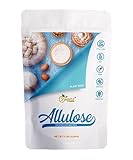
- 【AMAZING TASTE AND CALORIE-FREE】 Allulose is a monosaccharide or simple sugar that naturally exists in some fruits. It closely resembles the flavor of regular sugar but without any unpleasant aftertaste. Allulose is about 70% as sweet as sugar, but contains less than 10% of the calories found in sucrose, making it virtually calorie-free while still providing the natural sweetness of sugar.
- 【GREAT TEXTURE, VOLUME, AND CARAMELIZATION】 Allulose virtually replicates the texture and volume of sugar, while also demonstrating similar caramelization and thickening properties when used in baking and cooking. These exceptional characteristics set allulose apart as an excellent ingredient for achieving desired outcomes in a wide range of culinary applications that align with your healthy lifestyle.
- 【MORE ALLULOSE BLENDS】 Going beyond Allulose, G-Sweetz Allulose sweeteners broaden your options by blending with a variety of intensive sweeteners such as Monk Fruit extract, Stevia Extract, a combination of both, or the classic sucralose. Each sweetener series, derived from Allulose blends, provides a range of sweetness levels from 1X to 20X, ensuring both your sweet tooth and budget are perfectly catered to!
- 【HEALTHY CHOICES】 Upgrade your sweet experience with a sugary-tasting sweetener that's Keto-friendly, containing 0 net carbs. Our allulose is derived from natural ingredients and is free of GMOs, additives, artificial flavors, soy, and gluten. This sweetener is also vegan-friendly, tooth-friendly, and has zero sugar. Enjoy its delicious taste without worrying about any negative side effects.
- 【US QUALITY】 Our products are made and tested in accordance with approved product standards. Our facilities are registered with the FDA and comply with the regulations and licensing requirements of the New Jersey Department of Health and Earth Kosher. For any product inquiries, our US-based live support team is available to assist you.
4. Add Liquid (Optional): If you want it thinner or creamier, add a splash of milk, almond milk, oat milk, or even a bit of water.
- What “good” looks like: Just enough liquid to help the blending process without diluting the flavor too much.
- Common mistake: Adding too much liquid upfront. You can always add more, but you can’t take it out.
5. Blend Until Smooth: Pulse the blender a few times to break down the avocado, then blend until everything is smooth and creamy. Don’t over-blend, or it might get too foamy.
- What “good” looks like: A uniform, creamy, slightly thickened beverage with no avocado chunks.
- Common mistake: Blending on high for too long. This can incorporate too much air and change the texture.
6. Taste and Adjust Sweetness: Give it a taste. Does it need more sweetness? More coffee flavor? Adjust as needed.
- What “good” looks like: A balanced flavor that suits your palate.
- Common mistake: Not tasting. You might end up with something too sweet or not sweet enough.
7. Add Spices (Optional): If you’re feeling fancy, now’s the time to add a pinch of cinnamon, cardamom, or even a tiny bit of cayenne for a kick.
- What “good” looks like: A subtle aroma and flavor enhancement.
- Common mistake: Going overboard with spices. They should complement, not dominate.
8. Serve Immediately: Pour your avocado coffee into a glass. Add ice if you didn’t use chilled coffee or want it colder.
- What “good” looks like: A refreshing, creamy drink ready to enjoy.
- Common mistake: Letting it sit too long. Avocado can oxidize and change color and texture.
Common Mistakes (and What Happens If You Ignore Them)
| Mistake | What it Causes | Fix |
|---|---|---|
| Using hot coffee | Unpleasant texture, potential “cooked” avocado taste | Always use chilled coffee or cold brew. |
| Underripe avocado | Chunky texture, bitter flavor | Use a ripe avocado; it should yield to gentle pressure. |
| Over-blending | Too frothy, airy texture | Blend just until smooth; avoid prolonged high-speed blending. |
| Using stale coffee | Flat, dull, or off-flavors | Use freshly roasted beans, ground just before brewing. |
| Wrong grind size | Bitter (too fine) or weak (too coarse) coffee | Use a grind appropriate for your brewer (medium is often safe). |
| Poor water quality | Off-flavors in the coffee base | Use filtered water for brewing. |
| Not cleaning equipment | Rancid coffee oils, off-flavors | Clean your brewer regularly; descale as needed. |
| Incorrect coffee-to-water ratio | Coffee too strong or too weak | Start with a standard ratio (e.g., 1:17) and adjust to taste. |
| Adding too much liquid | Diluted flavor, watery consistency | Add liquid gradually; you can always add more. |
| Not tasting/adjusting | Unbalanced sweetness or flavor | Taste and adjust sweetener and other ingredients before serving. |
Decision Rules
- If your avocado is hard, then wait for it to ripen before making avocado coffee because underripe avocado won’t blend smoothly.
- If your coffee tastes bitter, then check your grind size and brewing temperature because too fine a grind or water that’s too hot can cause bitterness.
- If your avocado coffee tastes bland, then try a richer coffee or a slightly higher coffee-to-water ratio because the coffee flavor needs to stand up to the avocado.
- If you want a less acidic drink, then use cold brew coffee because cold brew is naturally smoother and less acidic than hot-brewed coffee.
- If you don’t have milk, then a splash of water or a plant-based alternative works fine because the goal is just to get the right consistency.
- If your blender is struggling, then add a tiny bit more liquid because the avocado might be too thick to blend properly.
- If you prefer a sweeter drink, then add a bit more sweetener gradually because you can always add more, but you can’t take it out.
- If you want to avoid oxidation, then drink your avocado coffee soon after making it because the avocado can start to brown if left sitting for too long.
- If you want a richer mouthfeel, then use a full-fat dairy or a creamy plant-based milk because they add extra creaminess.
- If you’re sensitive to caffeine, then use decaf coffee because the avocado itself doesn’t contain caffeine.
FAQ
Can I use any kind of coffee?
Yes, but cold brew or chilled strong coffee works best for texture and flavor. Avoid using hot coffee, as it can affect the avocado’s consistency.
How much avocado should I use?
Start with about a quarter to half of a ripe avocado per serving. Adjust based on how creamy you want the drink and how strong you want the avocado flavor.
Is avocado coffee healthy?
Avocado is packed with healthy fats and nutrients. Combined with coffee, it can be a satisfying and nutrient-dense beverage, but watch out for added sugars.
Can I make it ahead of time?
It’s best enjoyed fresh. Avocado can start to brown and change texture if left sitting for too long, even in the fridge.
What if I don’t have a blender?
You could try mashing the avocado very thoroughly with a fork and whisking it vigorously into cold coffee. It won’t be as smooth, but it might work in a pinch.
Can I add other fruits?
Sure, why not? A small amount of banana or berries could add a different flavor dimension, but be mindful of how it affects the overall taste and texture.
Does it taste like guacamole?
Not if you use enough coffee and sweetener. The coffee flavor should be prominent, with the avocado providing creaminess and a subtle, earthy undertone.
What This Page Does Not Cover (and Where to Go Next)
- Specific avocado varieties and their impact on flavor.
- Detailed cold brew techniques.
- Advanced latte art for avocado-based drinks.
- Nutritional breakdowns of avocado coffee recipes.
- Exploring different plant-based milk alternatives in depth.