
Authentic Vietnamese Iced Coffee: A Simple Recipe
Quick Answer
- Use a Vietnamese coffee filter (phin).
- Dark roast, coarsely ground coffee is key.
- Sweeten with sweetened condensed milk.
- Brew hot, then pour over ice.
- Don’t rush the drip. Patience yields flavor.
- Freshly ground beans make a difference.
Who This Is For
- Coffee lovers looking for something different.
- Anyone who enjoys bold, sweet, and refreshing drinks.
- Campers who want a potent morning brew. (Seriously, this stuff wakes you up.)
What to Check First
Brewer Type and Filter Type
You’re making Vietnamese iced coffee. That means a phin filter is pretty much non-negotiable for authenticity. It’s a small metal dripper that sits on top of your glass. No phin? You’re making a sweet, iced coffee, but not Vietnamese iced coffee.
To truly capture the authentic experience, consider investing in a quality Vietnamese coffee filter (phin). This small, simple device is essential for the traditional brewing process.

- This Vietnamese Coffee Filter is made in Vietnam out of HIGH QUALITY stainless steel
- The Ca Phe Phin is 8 oz. Enjoy with traditional ground coffee such as by Trung Nguyen
- The GRAVITY INSERT on this Vietnamese Coffee Filter is easier than the screw down type
- This Viet filter comes with a LIFETIME WARRANTY and is DISHWASHER SAFE. Satisfaction guaranteed!
- Slow dripper brews a perfect hot or iced coffee (cafe sua da) with this Vietnamese Coffee Filter
Water Quality and Temperature
Good water makes good coffee. If your tap water tastes funky, your coffee will too. Use filtered water. For brewing, aim for water just off the boil, around 195-205°F. Too hot, and you’ll scorch the grounds. Too cool, and you won’t extract enough flavor.
Grind Size and Coffee Freshness
This is a big one. You need a coarse grind, similar to what you’d use for a French press. Too fine, and the water won’t drip through the phin properly. Too coarse, and it’ll be weak. And always, always use fresh beans. Pre-ground coffee loses its punch fast. Grind right before you brew.
For the best results, you’ll need a specific type of coffee: a dark roast with a coarse grind. This coarse ground coffee ensures proper extraction through the phin.
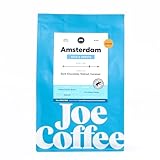
- Rich, sweet, and comforting, Amsterdam is the perfect drip coffee option for those who seek a deeper roast profile.
- We select the components for this coffee for their ability to stand up to a more developed roast, without ever tasting over-roasted or smoky. Instead, we pull out classic notes of chocolate, nut, and toffee.
- One 12 ounce bag
Coffee-to-Water Ratio
This is where personal preference kicks in, but there’s a good starting point. A common ratio is about 2 tablespoons of coffee grounds to 4-6 ounces of water. You want it strong because you’re adding milk and ice. It’s a balancing act.
Cleanliness/Descale Status
Your phin and your kettle need to be clean. Old coffee oils can make your brew bitter. If you use a kettle, make sure it’s free of mineral buildup. A quick rinse of the phin before brewing is a good habit.
Step-by-Step: How Do You Make Vietnamese Iced Coffee?
1. Prepare your phin. Place the phin filter on top of your heat-proof glass. (I like a clear glass so I can see the magic happen.)
- Good looks like: The phin sits securely without wobbling.
- Common mistake: Using a warped or dirty phin. Avoid this by checking it’s clean and stable.
2. Add coffee grounds. Spoon about 2 tablespoons of coarse, dark roast coffee into the phin.
- Good looks like: A level bed of grounds.
- Common mistake: Overfilling or underfilling. Too much clogs it, too little makes weak coffee.
3. Insert the tamper. Place the tamper (the disc that comes with the phin) on top of the coffee grounds. Gently press down.
- Good looks like: Even pressure, not crushing the grounds.
- Common mistake: Pressing too hard. This will lead to a slow, or no, drip.
4. Add a bit of hot water. Pour about 1 ounce of hot water (195-205°F) over the tamper. Let it bloom for 20-30 seconds.
- Good looks like: The grounds expand and release their aroma.
- Common mistake: Skipping the bloom. This step is crucial for releasing CO2 and getting a better flavor.
5. Fill the phin. Gently pour the remaining hot water (4-5 ounces) into the phin.
- Good looks like: The phin is filled to just below the rim.
- Common mistake: Pouring too fast. This can agitate the grounds and lead to uneven extraction.
6. Let it drip. Place the lid on the phin and wait. The coffee should drip slowly, about one drip every second or two.
- Good looks like: A steady, slow drip forming a dark, rich stream.
- Common mistake: Rushing the process. Patience is a virtue here. If it’s dripping too fast, your grind might be too coarse. If it’s not dripping, it’s too fine.
7. Add sweetened condensed milk. While the coffee brews, add 1-2 tablespoons of sweetened condensed milk to your serving glass. Adjust to your sweetness preference.
- Good looks like: A creamy swirl at the bottom of the glass.
- Common mistake: Using regular milk or sugar. Sweetened condensed milk is the traditional choice for that signature flavor and texture.
8. Stir the brewed coffee. Once dripping is complete, remove the phin. Stir the hot, concentrated coffee into the condensed milk until fully combined.
- Good looks like: A uniform, caramel-colored mixture.
- Common mistake: Not stirring enough. You want that sweetness distributed evenly.
9. Add ice. Fill a separate, larger glass with ice. Pour the coffee mixture over the ice.
- Good looks like: A tall, frosty glass ready to go.
- Common mistake: Not using enough ice. You want it really cold, fast.
10. Stir and enjoy. Give it a final stir and sip.
- Good looks like: A bold, sweet, and refreshing iced coffee.
- Common mistake: Drinking it too fast. Savor it.
Common Mistakes (and What Happens If You Ignore Them)
| Mistake | What it Causes | Fix |
|---|---|---|
| Using pre-ground coffee | Stale flavor, lack of aroma, weak brew. | Grind fresh beans just before brewing. |
| Grind is too fine | Slow drip, water backs up, bitter, over-extracted. | Use a coarser grind. Check your grinder settings. |
| Grind is too coarse | Water drips through too fast, weak, under-extracted. | Use a finer grind. |
| Not blooming the coffee | Uneven extraction, less flavor, potentially bitter. | Let the grounds sit with a small amount of hot water for 20-30 seconds before adding the rest. |
| Using regular sugar or milk | Lacks the authentic taste and texture. | Use sweetened condensed milk. It’s crucial for the classic flavor. |
| Rushing the drip process | Weak or unevenly extracted coffee. | Be patient. The phin is designed for a slow, controlled drip. |
| Using dirty equipment | Off-flavors, bitterness, rancid taste. | Clean your phin and kettle thoroughly after each use. |
| Water temperature is too high | Scorches the grounds, results in a bitter taste. | Let your water cool for 30-60 seconds after boiling, or use a thermometer (195-205°F). |
| Water temperature is too low | Under-extraction, weak, sour coffee. | Ensure your water is hot enough, but not boiling. |
| Not stirring condensed milk thoroughly | Pockets of sweetness, uneven flavor. | Stir until the coffee and condensed milk are completely blended into a uniform color. |
| Using too little coffee | Weak, watery, unsatisfying drink. | Use at least 2 tablespoons of grounds for a standard brew. |
| Using too much coffee | Clogs the filter, bitter, difficult to brew. | Stick to the recommended amount, or slightly more if you prefer it very strong. |
Decision Rules
- If your coffee drips too fast, then you need a finer grind because a coarser grind lets water pass through too quickly.
- If your coffee doesn’t drip at all, then you need a coarser grind because a fine grind will clog the filter.
- If your coffee tastes bitter, then check your water temperature; it might be too hot, scorching the grounds.
- If your coffee tastes weak or sour, then check your water temperature; it might be too cool, leading to under-extraction.
- If your coffee lacks depth and aroma, then use freshly roasted beans and grind them right before brewing because freshness is key.
- If your drink isn’t sweet enough, then add more sweetened condensed milk because that’s the signature sweetness source.
- If your drink is too sweet, then next time use less sweetened condensed milk because you can always add more, but you can’t take it away.
- If your phin is sitting unevenly, then check for damage or debris because a stable phin is essential for a good brew.
- If your coffee tastes “off” or stale, then clean your phin thoroughly because old coffee oils can build up and taint the flavor.
- If you want a stronger coffee flavor, then use slightly more coffee grounds or a slightly finer grind (but be careful not to clog it).
- If you want a less intense coffee flavor, then use slightly less coffee grounds or a slightly coarser grind.
FAQ
What kind of coffee beans should I use?
Dark roast beans are traditional for Vietnamese iced coffee. Look for beans with chocolatey or nutty notes. Robusta beans are often used for their strong flavor and crema, but a dark roast Arabica works well too.
Can I use a different type of filter?
While you can make a sweet, iced coffee with other methods, a phin filter is what makes it authentic Vietnamese iced coffee. It controls the drip rate and concentrates the brew perfectly.
How much condensed milk is enough?
This is totally personal. Start with 1-2 tablespoons and taste. You can always add more until it hits that perfect sweet spot for you.
What if I don’t have a phin?
You can try a very strong drip coffee or a Moka pot brew, then chill it and mix with sweetened condensed milk and ice. It won’t be the same, but it’ll be a tasty iced coffee.
How do I clean my phin?
After brewing, rinse the phin with hot water. Disassemble it and wash with a soft brush and mild soap. Let it air dry completely before storing.
Is it supposed to be this strong?
Yes, authentic Vietnamese iced coffee is intentionally strong and concentrated. That’s why it’s so satisfying, especially when served over ice.
Can I make it ahead of time?
You can brew the strong coffee and mix it with the condensed milk, then store it in the fridge. When ready to serve, pour it over ice. It’s best consumed within a day or two.
What’s the difference between Vietnamese coffee and regular iced coffee?
The key differences are the brewing method (phin filter), the coffee type (dark roast), and the sweetener (sweetened condensed milk). This combination creates a unique, bold, and creamy flavor profile.
What This Page Does Not Cover (and Where to Go Next)
- Specific brand recommendations for phin filters or coffee beans. (Check online reviews for popular choices.)
- Advanced brewing techniques for phin filters, like adjusting bloom time for different beans. (Experimentation is key here.)
- Detailed history of Vietnamese coffee culture. (There are many great books and articles on this topic.)
- Recipes for other Vietnamese drinks. (Look for pho or banh mi recipes while you’re at it!)