
What Makes Vietnamese Coffee Unique And Delicious?
Quick answer
- Vietnamese coffee uses a special metal filter called a phin.
- It’s brewed with a dark roast, often chicory-infused coffee.
- Sweetened condensed milk is the classic addition.
- The slow drip brewing process extracts a strong, rich flavor.
- It’s served hot or cold, often over ice.
- The result is a bold, sweet, and creamy beverage.
Key terms and definitions
- Phin: A small metal filter device used to brew Vietnamese coffee.
- Chicory: A plant root often roasted and ground with coffee, adding a bitter, chocolatey note.
- Sweetened Condensed Milk: Milk with most of the water removed and sugar added, creating a thick, sweet syrup.
- Robusta Coffee: A species of coffee bean known for its strong, bold flavor and higher caffeine content, often used in Vietnamese blends.
- Arabica Coffee: A more common coffee species, known for its nuanced and aromatic qualities.
- Cà phê sữa đá: The classic iced Vietnamese coffee with condensed milk.
- Cà phê đen đá: Iced Vietnamese coffee without milk, just black.
- Drip Brewing: A method where hot water passes through coffee grounds, extracting flavor.
- Roast Level: How long coffee beans are roasted, affecting flavor; Vietnamese coffee is typically dark roasted.
- Grind Size: The coarseness of the coffee grounds, impacting extraction speed.
Robusta coffee beans are a key component, known for their strong, bold flavor and higher caffeine content, which is essential for that signature Vietnamese kick.
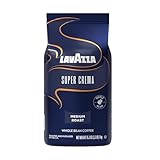
- SUPER CREMA: A 2.2 lb whole bean coffee bag ideal for espresso preparation
- INTENSITY AND ROAST: This full-bodied medium roast offers a bold and creamy finish
- BLEND: Made from Arabica and Robusta beans, this naturally caffeinated blend is sourced from 15 coffee-growing countries around the world
- PREPARATION: Ideal for espresso preparation.
- BREWING GUIDE FOR SINGLE ESPRESSO: 0.28 oz of ground espresso delivers a 1 oz espresso shot
How it works
- The phin filter sits directly on top of your mug.
- You add coarsely ground coffee into the filter chamber.
- A small press (the tamper) is placed on top of the grounds.
- Hot water is poured over the tamper, saturating the grounds.
- The water slowly drips through the coffee and the filter.
- This slow process allows for a concentrated extraction.
- The brewed coffee then drips into the cup below.
- For the classic drink, sweetened condensed milk is added first.
- Stirring mixes the coffee and milk.
- Ice is often added for a refreshing chill.
What affects the result
- Coffee Bean Type: Robusta brings a bolder, more bitter kick. Arabica offers more subtle notes. Many Vietnamese blends use a mix.
- Roast Profile: Dark roasts are standard. This brings out those deep, chocolatey, sometimes smoky flavors.
- Chicory Addition: If chicory is in the mix, it adds a distinct earthy bitterness and a hint of cocoa. It’s a game-changer for some.
- Grind Consistency: You need a coarser grind for the phin. Too fine, and it’ll clog. Too coarse, and it’ll be weak.
- Water Temperature: Aim for hot, but not boiling, water. Around 195-205°F (90-96°C) is a good ballpark.
- Brewing Time: The slow drip is key. It should take a few minutes for the coffee to fully brew. Patience is rewarded here.
- Amount of Coffee: More grounds mean a stronger brew. Less grounds mean a milder cup.
- Amount of Condensed Milk: This is where the sweetness comes in. Adjust to your liking. A little goes a long way.
- Ice Ratio: When making cà phê sữa đá, the amount of ice dilutes the drink. More ice means a lighter, colder coffee.
- Water Quality: Like any coffee, good water makes good coffee. Filtered water is usually best.
- The Phin Itself: The quality and design of your phin can influence the drip rate and overall extraction.
- Freshness of Grounds: Freshly ground beans always taste better. Grind right before you brew if you can.
Pros, cons, and when it matters
- Pro: Intense Flavor: The dark roast and Robusta beans create a seriously strong cup. It’s not for the faint of heart.
- Con: Sweetness: The condensed milk makes it very sweet. If you prefer your coffee black and unsweetened, this isn’t it.
- Pro: Unique Ritual: Brewing with a phin is a deliberate, almost meditative process. It’s an experience.
- Con: Slow Brew Time: It’s not a “pour and go” situation. You’ll wait a few minutes for your coffee.
- Pro: Versatile Serving: Delicious hot or cold. Cà phê sữa đá is perfect for a hot day.
- Con: Specific Equipment: You need a phin filter. It’s not something you’ll find in every kitchen drawer.
- Pro: Bold Caffeine Kick: Robusta beans pack a punch. Expect a good energy boost.
- Con: Can Be Bitter: The dark roast and Robusta can lean towards bitter if not balanced with milk and sugar.
- Pro: Distinctive Taste: The chicory adds a flavor profile you won’t find in typical drip coffee. It’s memorable.
- Con: Not for Everyone: The intense sweetness and boldness might not appeal to all palates.
- Pro: Affordable Luxury: It’s a relatively inexpensive way to enjoy a rich, flavorful coffee drink.
- Con: Sugar Overload: For those watching sugar intake, the condensed milk is a significant source.
Common misconceptions
- Myth: Vietnamese coffee is just dark roast coffee. Nope, the Robusta beans and often chicory are key players.
- Myth: You can use any coffee maker for Vietnamese coffee. Absolutely not. The phin is essential for the method.
- Myth: It’s always served sweet. While common, you can order it black (cà phê đen đá).
- Myth: The phin is hard to use. It’s actually pretty straightforward once you get the hang of it. Coarse grind, tamp, pour, wait.
- Myth: All Vietnamese coffee is the same. Bean origin, roast level, and chicory content can vary, leading to different flavors.
- Myth: Condensed milk is the same as evaporated milk. Not even close. Condensed milk is thick and sweet; evaporated milk is just milk with water removed.
- Myth: It’s just a strong black coffee. The slow drip extraction and the specific beans create a unique body and flavor profile.
- Myth: You need special training to make it. It’s a simple process, really. Just follow the steps.
- Myth: Chicory is a type of coffee bean. It’s a root, roasted and ground, often blended with coffee for flavor.
- Myth: It’s a modern invention. This brewing style has deep roots in Vietnamese culture.
FAQ
What is a phin?
A phin is a small, metal coffee filter, typically made of stainless steel or aluminum. It has a chamber for coffee grounds and a screw-on or press-down tamper. It sits directly on top of your cup.
Why is Vietnamese coffee so strong?
It’s usually brewed with dark roasted Robusta beans, which have a bolder, more intense flavor and higher caffeine content than Arabica. The slow drip method also creates a concentrated brew.
What’s the deal with condensed milk?
Sweetened condensed milk is the classic sweetener and creamer for Vietnamese coffee. Its thick, syrupy texture and intense sweetness perfectly balance the strong, often bitter coffee.
Can I make Vietnamese coffee at home?
Definitely. You’ll need a phin filter and some dark roasted coffee, preferably with Robusta beans. Dark roast coffee beans, often labeled as “Vietnamese coffee blend,” work well.
Is it always served iced?
No, it can be served hot, but the iced version, cà phê sữa đá, is incredibly popular, especially in warmer climates. The ice helps to mellow the intensity slightly.
What if I don’t like sweet coffee?
You can ask for it without condensed milk, known as cà phê đen đá (iced black coffee). Or, you can add the milk yourself and control the amount.
How do I clean my phin?
After brewing, unscrew or lift the tamper, discard the grounds, and rinse the parts with warm water. A gentle scrub with soap occasionally is fine, but rinse thoroughly.
What kind of coffee grounds should I use?
A medium-coarse to coarse grind is best. If the grind is too fine, the water won’t drip through properly. If it’s too coarse, the coffee might be too weak.
What this page does NOT cover (and where to go next)
- Specific brand recommendations for coffee beans or phin filters. (Look for reviews online.)
- Detailed history of Vietnamese coffee culture. (Explore culinary history resources.)
- Advanced brewing techniques for phin filters. (Search for “advanced phin brewing” guides.)
- Nutritional information for Vietnamese coffee. (Consult health and nutrition sites.)
- Comparison with other Southeast Asian coffee traditions. (Research regional coffee blogs.)