
Are Coffee Grounds Good Fertilizer For Vegetable Plants?
Quick answer
- Coffee grounds can be a beneficial addition to your vegetable garden, acting as a mild fertilizer and soil amendment.
- They are particularly good for acid-loving plants and can help improve soil structure.
- Use them in moderation; too much can negatively impact soil pH and drainage.
- Always compost coffee grounds before adding them to the soil to avoid potential issues.
- They are a good source of nitrogen, potassium, and phosphorus, essential nutrients for plant growth.
- Coffee grounds can also attract beneficial earthworms to your soil.
Coffee grounds can act as a mild fertilizer, but for a more robust and balanced approach to feeding your vegetables, consider using a dedicated organic fertilizer. This ensures your plants receive a full spectrum of nutrients for optimal growth.

- Contains ALL Primary Nutrients: N-P-K
- Contains ALL Secondary Nutrients: Ca-Mg-S
- For ALL Plants; Fruits, Veggies, Roses, Potted, & More!
- Makes 20+ Gallons / Contains Azomite
- Versatile: Apply To Soil, Foliar Feed, and/ or Compost Tea
Who this is for
- Home gardeners looking for natural and sustainable ways to fertilize their vegetable plants.
- Individuals interested in reducing waste by repurposing used coffee grounds.
- Gardeners who want to improve their soil’s health and fertility organically.
What to check first
- Brewer type and filter type
- The method you use to brew coffee can affect the grounds. Drip coffee grounds, especially those filtered with paper, are generally fine for garden use after composting. If you use a French press or espresso machine, the grounds might be more concentrated or contain residual oils.
- What to check: Note your brewing method. If using paper filters, ensure they are compostable and removed before adding grounds to your compost pile.
- Water quality and temperature
- While not directly related to the grounds themselves, the water used to brew coffee can contain minerals. High mineral content in your brewing water could potentially transfer to the grounds.
- What to check: If you have very hard water, consider using filtered water for brewing your coffee if you plan to use the grounds in your garden.
- Grind size and coffee freshness
- The fineness of the coffee grind can influence how quickly it breaks down in the soil. Finer grinds will decompose faster.
- What to check: Freshness isn’t a major concern for fertilizer use; the composting process will break down the organic matter regardless. However, very old, stale grounds might be more prone to mold if not composted properly.
- Coffee-to-water ratio
- The concentration of coffee grounds relative to water can affect the acidity of the spent grounds. A stronger brew will result in more acidic grounds.
- What to check: A typical ratio is about 1-2 tablespoons of coffee grounds per cup of water. If you use a lot of coffee, you’ll have more grounds, so manage their application accordingly.
- Cleanliness/descale status
- Ensure your coffee maker is clean. Residual coffee oils or mineral buildup in the machine could be transferred to the grounds.
- What to check: Regularly clean and descale your coffee maker according to the manufacturer’s instructions. This ensures the grounds are as pure as possible when you collect them for garden use.
Step-by-step (brew workflow)
1. Collect used coffee grounds: Gather your coffee grounds after brewing.
- What “good” looks like: You have a collection of damp, dark brown grounds.
- Common mistake: Discarding them immediately without considering their garden potential.
- How to avoid: Set aside a container specifically for collecting used coffee grounds.
2. Rinse grounds (optional but recommended): Briefly rinse the grounds with plain water.
- What “good” looks like: The grounds are less oily and free of any residual coffee liquid.
- Common mistake: Not rinsing, which can leave excess oils that might hinder decomposition or attract pests.
- How to avoid: Place grounds in a fine-mesh sieve and rinse under cool running water.
3. Dry the grounds (optional but recommended): Spread the rinsed grounds on a tray or newspaper to dry.
- What “good” looks like: The grounds are no longer wet and are easier to handle.
- Common mistake: Adding wet grounds directly to compost, which can lead to a soggy, anaerobic pile.
- How to avoid: Allow them to air dry for a day or two, stirring occasionally.
4. Add to compost pile: Incorporate the dried or damp coffee grounds into your compost bin.
- What “good” looks like: The grounds are mixed with other compost materials like leaves, grass clippings, and kitchen scraps.
- Common mistake: Adding large, unmixed clumps of grounds, which can become matted and prevent airflow.
- How to avoid: Aim for a balanced mix of “greens” (like coffee grounds) and “browns” (like dried leaves) in your compost.
5. Allow grounds to compost: Let the coffee grounds break down in the compost pile for at least a few weeks.
- What “good” looks like: The grounds are no longer recognizable as coffee grounds and have become part of the rich, dark compost.
- Common mistake: Using uncomposted grounds directly in the garden.
- How to avoid: Be patient; proper composting neutralizes acidity and breaks down the material into a beneficial soil amendment.
6. Test compost for readiness: Check your compost for a dark, earthy smell and crumbly texture.
- What “good” looks like: The compost smells earthy and pleasant, not sour or ammonia-like.
- Common mistake: Using compost that is still too “hot” or contains recognizable, uncomposted materials.
- How to avoid: Ensure the compost has gone through a full decomposition cycle.
7. Apply composted grounds to garden: Spread a thin layer of your finished compost around the base of your vegetable plants.
- What “good” looks like: A light, even layer of compost mixed into the top inch or two of soil.
- Common mistake: Applying a thick layer that can smother plants or create a barrier to water penetration.
- How to avoid: Use a light hand, especially for seedlings.
8. Incorporate into soil: Gently work the composted grounds into the top layer of soil.
- What “good” looks like: The compost is integrated into the soil, improving its texture and aeration.
- Common mistake: Leaving composted grounds as a thick layer on top of the soil, which can dry out and become less effective.
- How to avoid: Use a trowel or cultivator to gently mix it in.
9. Water the plants: Water your vegetable plants thoroughly after applying the compost.
- What “good” looks like: The soil is adequately moist, allowing the nutrients from the compost to become available to the plant roots.
- Common mistake: Not watering, which can leave the compost dry and less beneficial.
- How to avoid: Water as you normally would, perhaps a little more if the soil was very dry.
10. Observe plant growth: Monitor your vegetable plants for signs of improved health and vigor.
- What “good” looks like: Plants appear greener, healthier, and show better growth rates.
- Common mistake: Expecting drastic overnight changes; soil improvement is a gradual process.
- How to avoid: Be patient and consistent with your soil amendment practices.
Common mistakes (and what happens if you ignore them)
| Mistake | What it causes | Fix |
|---|---|---|
| Using uncomposted grounds directly | Can temporarily tie up nitrogen, making it unavailable to plants; may alter soil pH unfavorably; can mat down. | Always compost coffee grounds before applying them to the garden. |
| Applying too thick a layer | Can create a water-repellent barrier; may lead to fungal growth or attract unwanted pests; can smother plants. | Apply composted grounds as a thin layer (1/2 to 1 inch) and gently incorporate into the soil. |
| Adding large, unmixed clumps | Prevents proper aeration in compost piles; can lead to anaerobic decomposition and foul odors. | Mix grounds evenly with other compost materials, aiming for a balanced ratio of greens and browns. |
| Not rinsing grounds (if oily) | Excess oils can inhibit decomposition or attract pests; can create a surface film on soil. | Rinse grounds with water to remove excess oils before composting or direct application. |
| Using grounds from flavored coffee | Artificial flavors or sweeteners can be detrimental to soil health and plant growth. | Stick to grounds from plain, unflavored coffee. |
| Relying solely on coffee grounds | Coffee grounds are a supplement, not a complete fertilizer; plants need a balanced nutrient profile. | Use coffee grounds as part of a comprehensive fertilization and soil improvement plan, including balanced compost and other amendments. |
| Applying to acid-sensitive plants | Can lower soil pH too much, stressing plants that prefer neutral or alkaline conditions. | Research plant pH preferences; coffee grounds are best for acid-loving plants or when used in moderation in general soil. |
| Over-application in small spaces | Can lead to nutrient imbalances or soil structure issues in confined areas like containers. | Use sparingly in containers and ensure good drainage. |
| Ignoring potential mold development | Mold can spread and potentially harm plants or compost health if not managed. | Ensure grounds are properly composted or dried to prevent mold growth before application. |
| Using grounds from espresso machines | Espresso grounds can be very fine and compact, potentially hindering drainage if not composted well. | Ensure espresso grounds are thoroughly composted and mixed with lighter materials to maintain soil aeration. |
Decision rules (simple if/then)
- If your vegetable plants are known to prefer acidic soil (like blueberries, though not typically a vegetable), then coffee grounds can be a beneficial addition, because they can help lower soil pH slightly.
- If you have a standard drip coffee maker, then your grounds are likely suitable for composting, because they are typically well-filtered and less concentrated in oils.
- If you are using grounds from a French press, then rinsing them before composting is a good idea, because French press grounds can retain more oils which might affect decomposition.
- If your garden soil is already quite alkaline, then use coffee grounds cautiously, because they can help to balance the pH towards a more acidic range.
- If you notice your compost pile becoming too wet or smelling sour, then reduce the amount of coffee grounds you add, because they are a nitrogen-rich material that can contribute to a wet compost if not balanced with carbon-rich “browns.”
- If you are planting seedlings, then apply composted grounds sparingly, because young plants can be sensitive to changes in soil composition.
- If you are adding grounds to potted plants, then ensure excellent drainage, because compacted grounds can hinder water and air movement in containers.
- If you have a worm bin (vermicomposting), then coffee grounds are an excellent food source for earthworms, because they are a good source of nitrogen and organic matter that worms readily consume.
- If you are unsure about your soil’s pH, then test it before making significant changes, because coffee grounds can impact pH, and knowing your starting point is crucial.
- If you are using grounds from flavored coffees, then do not use them in your garden, because artificial flavorings and sweeteners can be harmful to soil microbes and plant health.
- If you are experiencing issues with pests like slugs or snails, then a thin layer of dry, uncomposted coffee grounds around plants may act as a deterrent, because the abrasive texture can be unpleasant for them. However, this is a temporary and less reliable method than proper composting.
If you’re specifically growing vegetables that prefer acidic soil, you might find coffee grounds helpful. For a more targeted boost, an acid-loving plant fertilizer can provide the precise nutrients these plants need to thrive.
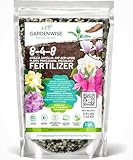
- 🌺 VIBRANT BLOOMS & ROBUST GROWTH: Enriched with essential nutrients like magnesium, iron, and manganese, GARDENWISE 8-4-8 is ideal for preventing chlorosis in acid-loving plants. It's perfect for azaleas, camellias (camelia), rhododendrons, hydrangeas, and all acid-loving plants including magnolia trees, evergreens, and blueberries.
- 🌿 SOIL ACIDIFICATION FOR OPTIMAL GROWTH: This fertilizer acts as an effective soil acidifier. It's crucial for azaleas, hydrangeas, and gardenias, often struggling in neutral or alkaline soils.
- 🌱 ENHANCES SOIL HEALTH WITH BENEFICIAL MICROBES: Unleash the transformative power of our eco-conscious bio-solid fertilizer, born from the heart of advanced wastewater treatment technology. Rich in live bacterial microbes, this meticulously refined bio-solid emerges through a rigorous process of heating, drying, and prilling, stripping away all toxins and heavy metals to guarantee unmatched safety for your garden. Dive into the essence of nature's best-kept secret and watch as it naturally enriches your soil, igniting a burst of microbial life that promises unparalleled growth and vitality for your plants.
- 🤲 SIMPLE & STRAIGHTFORWARD APPLICATION: GARDENWISE 8-4-8 Fertilizer makes plant care easy for everyone. Just sprinkle the granules around the base of your plants, gently mix into the soil, and water. This no-fuss, clear method ensures that whether you're a first-time gardener or a seasoned green thumb, nourishing your plants is effortless and effective.
- 💵 ECONOMICAL LONG-LASTING FORMULA: GARDENWISE 8-4-8 is not only cost-effective but also incredibly efficient, requiring just three feedings per year. Its slow-release granules ensure sustained nutrition and long-lasting benefits, making it an ideal choice for gardeners seeking an economical solution for maintaining their plants' health and vibrancy throughout the year.
FAQ
Are coffee grounds acidic?
Freshly used coffee grounds have a pH close to neutral (around 6.5-6.8), but the brewing process can extract some acids, making them slightly acidic. Once composted, their pH becomes even more neutral, making them safe for most plants.
Can I put coffee grounds directly on my vegetable plants?
It’s generally best to compost coffee grounds first. Applying them directly can temporarily tie up nitrogen, potentially stunt growth, and create a mat that hinders water and air penetration. Composting neutralizes their acidity and breaks them down into beneficial nutrients.
How much coffee grounds should I use?
As a general guideline, apply a thin layer of composted coffee grounds, about 1/2 to 1 inch thick, around the base of your plants and gently work it into the top inch of soil. Avoid thick layers.
What vegetables benefit most from coffee grounds?
Plants that thrive in slightly acidic soil, such as tomatoes, peppers, carrots, and root vegetables, can benefit. However, most vegetables will appreciate the improved soil structure and nutrients from composted grounds.
Will coffee grounds attract pests to my garden?
While uncomposted grounds can sometimes attract certain insects, properly composted grounds are less likely to cause pest problems. In fact, the abrasive texture of dry, uncomposted grounds can deter slugs and snails.
Can I use grounds from flavored coffee?
It’s best to avoid grounds from flavored coffees. The artificial flavorings, oils, and sweeteners can be detrimental to soil health and may negatively impact your plants. Stick to plain coffee grounds.
How do coffee grounds help improve soil?
Coffee grounds add organic matter to the soil, which improves its structure, aeration, and water retention. They also provide essential nutrients like nitrogen, potassium, and phosphorus, which are vital for plant growth.
Can I use coffee grounds in a hydroponic system?
No, coffee grounds are not suitable for hydroponic systems. Hydroponics relies on precise nutrient solutions in water, and solid grounds would clog the system and disrupt the nutrient balance.
What this page does NOT cover (and where to go next)
- Specific nutrient analysis of coffee grounds beyond general NPK content. For detailed breakdowns, consult agricultural extension resources.
- The impact of specific brewing methods on the chemical composition of spent grounds. Explore brewing science literature for more in-depth information.
- Detailed instructions for building and maintaining a large-scale commercial composting operation. Refer to professional composting guides.
- The use of coffee grounds in non-gardening applications, such as crafts or cleaning. Search for DIY or household tips for these uses.