
Are Coffee Enemas Making You Tired? Exploring Reasons
Quick answer
- While not a primary or scientifically recognized side effect, fatigue can be associated with coffee enemas due to dehydration.
- Electrolyte imbalance is another potential cause of tiredness following coffee enemas.
- The stress on your body from the procedure itself can lead to feelings of exhaustion.
- Pre-existing health conditions might be exacerbated by coffee enemas, contributing to fatigue.
- If you experience persistent tiredness, it’s crucial to consult a healthcare professional.
Key terms and definitions
- Coffee Enema: A procedure involving the introduction of brewed coffee into the colon via the rectum.
- Detoxification: The process of removing toxic substances from the body; often cited as a benefit by proponents of coffee enemas, though not scientifically validated.
- Gerson Therapy: An alternative cancer treatment that includes coffee enemas as part of its regimen.
- Autonomic Nervous System: The part of the nervous system that controls involuntary bodily functions like heart rate, digestion, and respiration.
- Bile Ducts: Channels that carry bile from the liver and gallbladder to the small intestine.
- Glutathione: A powerful antioxidant naturally produced by the body, involved in detoxification processes.
- Electrolytes: Minerals in your body that have an electric charge, such as sodium, potassium, and chloride, essential for nerve and muscle function.
- Dehydration: A condition where the body loses more fluid than it takes in, impairing bodily functions.
- Rectal Administration: The method of delivering substances into the rectum.
- Colon: The large intestine, the final section of the digestive system.
How it works
- Coffee enemas are believed by proponents to stimulate the liver and gallbladder.
- The coffee is introduced into the colon, intended to reach the portal vein.
- This is thought to trigger the release of bile from the liver and gallbladder.
- Bile contains toxins and waste products that are then meant to be expelled from the body.
- The process is also thought to stimulate bowel movements.
- Some proponents suggest it can increase levels of glutathione, an antioxidant.
- The procedure involves using a specific type of coffee, often organic and roasted for enemas.
- A cleansing solution is typically prepared and warmed to body temperature.
- The solution is then slowly introduced into the colon using an enema bag and nozzle.
- After a retention period, the solution and waste are expelled.
The procedure involves using a specific type of coffee, often organic and roasted for enemas. If you’re looking for a suitable option, consider this organic coffee specifically prepared for enema use.
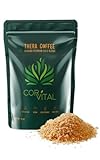
- SMELLS & LOOKS GREAT - Our green coffee enema is 100% non-carcinogenic, no fungus and no mold, making it the safest and cleanest choice compared to other coffee enemas out there.
- VERY FAST RESULTS - Get fast results with the Cor-Vital coffee detox cleanse that gets to work straight away to increase its detoxification of the blood and decrease the toxic load on the liver. Add to cart.
- DEEP HEALING & NOTICEABLE EFFECTS - Our therapy roast coffee enema organic is the best way to take control of your health and will help you to have a better mood and better sleep.
- NEW LEASE ON LIFE - The Cor-Vital organic enema coffee increases your energy levels and gets rid of bad toxins in your body, Unlike other coffee enemas you will not feel bloated and has no side effects.
- SUPER EFFECTIVE & RECOMMENDED BY GERSON - Our coffee enema organic gerson is 100% USDA certified organic to ensure no toxic chemical pesticides or fertilizers have been used. Get yours now.
What affects the result
- Coffee Quality and Type: The specific roast and preparation of the coffee can influence its perceived effects.
- Water Temperature: Using water that is too hot or too cold can cause discomfort and potentially affect the body’s response.
- Retention Time: The duration the coffee is held in the colon before expulsion is a variable factor.
- Frequency of Use: Performing coffee enemas too frequently might disrupt the body’s natural balance.
- Individual Physiology: Each person’s body will react differently to the procedure.
- Purity of Ingredients: Using non-organic or contaminated coffee could introduce unwanted substances.
- Hydration Levels: Being already dehydrated before the enema can worsen fatigue.
- Electrolyte Balance: Pre-existing or induced electrolyte imbalances can significantly impact energy levels.
- Underlying Health Conditions: Existing medical issues can be aggravated by the stress of the procedure.
- Stress Response: The physical act of the enema can induce a stress response in the body.
- Nutritional Status: Poor nutrition can make the body more susceptible to fatigue from such procedures.
- Amount of Fluid Used: The volume of coffee introduced into the colon can play a role.
Pros, cons, and when it matters
- Pro: Supporters claim it can boost energy levels and reduce fatigue. (Note: This is anecdotal and not scientifically proven.)
- Con: Fatigue can be a side effect, potentially due to dehydration or electrolyte imbalance.
- Pro: Some believe it aids in detoxification by stimulating the liver. (Note: The body has its own effective detoxification systems.)
- Con: Risk of electrolyte imbalances, which can cause weakness and fatigue.
- Pro: May provide temporary relief from constipation for some individuals.
- Con: Can disrupt the natural gut flora and beneficial bacteria in the colon.
- Pro: Some proponents report improved mental clarity. (Note: Subjective and not scientifically validated.)
- Con: Potential for rectal irritation, cramping, and discomfort.
- Pro: Can be part of specific alternative healing protocols.
- Con: Risk of infection if equipment is not properly sterilized.
- Pro: May offer a sense of cleansing or internal reset for some users.
- Con: The procedure requires time, preparation, and can be inconvenient.
- When it matters: If you are experiencing unexplained fatigue, it’s important to seek medical advice rather than self-treating with unproven methods.
- When it matters: Individuals with pre-existing digestive issues, heart conditions, or kidney problems should avoid coffee enemas.
- When it matters: If you are considering any alternative therapies, discuss them with your doctor first.
Common misconceptions
- Myth: Coffee enemas are a scientifically proven method for detoxification.
- Reality: The body’s liver and kidneys are highly efficient at detoxification; scientific evidence for coffee enemas’ detoxifying benefits is lacking.
- Myth: They are a safe and effective way to treat chronic fatigue.
- Reality: Fatigue can have many underlying causes that require medical diagnosis and treatment. Coffee enemas can potentially worsen fatigue.
- Myth: The caffeine in coffee enemas is absorbed into the bloodstream in a way that provides an energy boost.
- Reality: While some absorption may occur, the primary intended action is on the liver and colon, not a systemic stimulant effect like drinking coffee.
- Myth: Coffee enemas are a necessary part of alternative cancer therapies.
- Reality: While some alternative protocols include them, they are not universally accepted or scientifically validated as cancer treatments.
- Myth: The procedure is always comfortable and poses no significant risks.
- Reality: Coffee enemas can cause discomfort, cramping, and carry risks like dehydration, electrolyte imbalance, and infection.
- Myth: They can cure all digestive problems.
- Reality: They may offer temporary relief for some, but they do not address the root causes of most chronic digestive issues.
- Myth: Any type of coffee can be used for enemas.
- Reality: Proponents often specify particular types of organic, specially roasted coffee for this purpose, suggesting that not all coffee is suitable.
- Myth: The effects are solely due to the caffeine content.
- Reality: Proponents attribute benefits to other compounds in coffee, such as palmitates, and the stimulation of bile flow.
FAQ
Q: Can coffee enemas cause dehydration?
A: Yes, it’s possible. The process can lead to fluid loss, and if not adequately compensated for with fluid intake, it can result in dehydration, which in turn can cause fatigue.
Q: Are electrolyte imbalances a common issue with coffee enemas?
A: They can be. The introduction and expulsion of fluids can disrupt the body’s electrolyte balance, leading to symptoms like fatigue, weakness, and muscle cramps.
Q: Could the stress of the procedure itself lead to tiredness?
A: It’s plausible. Any invasive or unusual procedure can put stress on the body, activating the stress response, which can leave you feeling fatigued afterward.
Q: If I feel tired after a coffee enema, what should I do?
A: First, ensure you are rehydrating adequately with water and electrolytes. If fatigue persists or is severe, it is important to consult a healthcare professional to rule out other causes.
Q: Are there any medical conditions that make coffee enemas particularly risky?
A: Yes. Individuals with heart conditions, kidney disease, inflammatory bowel disease, or recent colon surgery should avoid coffee enemas due to increased risk of complications.
Q: Is there scientific evidence that coffee enemas improve energy levels?
A: No, there is no robust scientific evidence to support claims that coffee enemas directly improve energy levels or combat fatigue. Anecdotal reports are common but not a substitute for scientific validation.
Q: How can I avoid feeling tired after a coffee enema?
A: Proper hydration before and after, ensuring the coffee is at the correct temperature, and not performing them too frequently may help mitigate some discomfort and potential for fatigue. However, it’s not a guarantee.
Q: What are the potential benefits claimed by proponents of coffee enemas?
A: Proponents often claim benefits such as increased energy, improved mental clarity, and detoxification. However, these claims are largely anecdotal and lack scientific backing.
What this page does NOT cover (and where to go next)
- Specific medical protocols or therapeutic claims for coffee enemas. Consult a qualified healthcare provider for any health concerns.
- Detailed instructions on how to perform a coffee enema. Seek guidance from reliable sources if you choose to explore this practice, and always prioritize safety.
- Scientific research studies on the efficacy or safety of coffee enemas. Extensive peer-reviewed research in this area is limited.
- The use of coffee enemas in specific alternative medicine frameworks. Research these frameworks independently if interested.