
Understanding Why Coffee Makes You Sweat
Quick answer
- Coffee can cause sweating due to caffeine’s stimulant effects, which increase heart rate and metabolism.
- Caffeine can also trigger the release of adrenaline, further contributing to a “fight or flight” response that includes sweating.
- Some individuals are more sensitive to caffeine and may experience sweating even with small amounts.
- Dehydration from coffee’s diuretic effect can sometimes lead to compensatory sweating.
- The temperature of the coffee itself can temporarily raise body temperature, leading to sweating.
- For some, the act of brewing or the aroma of coffee can trigger a psychosomatic response.
Key terms and definitions
- Caffeine: A natural stimulant found in coffee beans, known for its effects on the central nervous system.
- Stimulant: A substance that increases the activity of the nervous system and body.
- Metabolism: The chemical processes that occur within a living organism in order to maintain life.
- Adrenaline (Epinephrine): A hormone and neurotransmitter that prepares the body for intense physical activity.
- Diuretic: A substance that promotes the production of urine, which can lead to increased fluid loss.
- Thermoregulation: The body’s process of maintaining a stable internal temperature.
- Vasodilation: The widening of blood vessels, which can increase blood flow to the skin’s surface.
- Autonomic Nervous System: The part of the nervous system that controls involuntary bodily functions like heart rate and sweating.
- Psychosomatic: Relating to physical symptoms that are caused or made worse by mental factors.
- Dehydration: A condition in which the body loses more fluid than it takes in.
How it works
- Caffeine stimulates the central nervous system, increasing alertness and physiological activity.
- This increased activity can lead to a higher heart rate and a temporary boost in metabolism.
- The body’s response to this heightened state can include activating the sweat glands to help regulate temperature.
- Caffeine can trigger the release of adrenaline, which prepares the body for a stress response, including sweating.
- Increased blood flow to the skin, possibly due to vasodilation influenced by caffeine, can make sweating more noticeable.
- The diuretic effect of coffee can lead to fluid loss, which, if not compensated, might prompt the body to conserve or manage remaining fluids.
- For some, the anticipation or enjoyment of coffee can activate the autonomic nervous system’s responses.
- The warmth of the beverage itself can directly contribute to a slight increase in body temperature.
- This temperature change signals the body to initiate sweating as a cooling mechanism.
- The overall effect is a complex interplay between caffeine’s chemical actions and the body’s natural regulatory systems.
If you’re looking to understand the stimulant effects of caffeine more deeply, consider exploring caffeine supplements. They can offer a concentrated way to experience these effects and learn more about your body’s response.
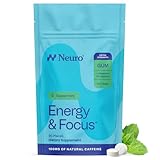
- Fast-Acting Nootropic - Our energy supplements deliver an extra boost of energy and clarity with a blend of natural caffeine, L-theanine, and vitamin b6 & b12. Your go-to chewing gum for work, exercise, and daily focus!
- Clean Energy - Each piece of our sugar free gum delivers 100mg of natural caffeine from green coffee beans for a smooth energy boost without crashes or jitters.
- The Perfect Balance - With 60mg of L-theanine per piece, our energy and focus formula promotes enhanced focus and stress reduction to smooth energy boosts.
- How to Use - Chew one piece of the caffeine gum whenever focus or energy is lacking. Ideal for mornings, pre-workout, or afternoon slumps. Effects typically kick in within minutes thanks to optimal absorption through the mouth.
- Made by Neuro, Backed by Science - At Neuro, we combine neuroscience with clean, science backed ingredients to help you do more, think better, and feel your best every single day.
What affects the result
- Caffeine Content: The amount of caffeine in your coffee varies by bean type, roast level, and brewing method. Higher caffeine means a stronger stimulant effect.
- Individual Sensitivity: People have different genetic predispositions and tolerances to caffeine. Some are naturally more prone to its physiological effects.
- Amount Consumed: Drinking multiple cups of coffee will introduce more caffeine into your system, increasing the likelihood of experiencing side effects like sweating.
- Hydration Levels: If you’re already dehydrated, the diuretic effect of coffee can exacerbate fluid loss and potentially lead to compensatory sweating.
- Diet and Other Stimulants: Consuming coffee alongside other stimulants (like certain foods or medications) can amplify its effects.
- Ambient Temperature: Brewing and drinking hot coffee in a warm environment will naturally lead to more sweating than in a cool environment.
- Physical Activity: If you drink coffee before or during exercise, the combination of caffeine and exertion will significantly increase sweating.
- Brewing Method: Different brewing methods extract varying amounts of caffeine and other compounds. For example, espresso generally has a higher caffeine concentration per ounce.
- Roast Level: Lighter roasts tend to retain more caffeine than darker roasts, although this can vary.
- Additives: Adding sugar or cream might slightly alter how your body processes the coffee, though caffeine remains the primary driver.
- Underlying Health Conditions: Certain medical conditions or medications can affect how your body responds to caffeine and temperature regulation.
- Stress and Anxiety: If you’re already feeling stressed or anxious, caffeine can amplify these feelings, leading to a stronger stress response that includes sweating.
Maintaining proper hydration is key, especially when consuming coffee. If you’re concerned about fluid loss, hydration supplements can be a helpful way to ensure your body stays balanced.

- FAST & EFFECTIVE HYDRATION: Combat dehydration with our science-based electrolyte powder formula that hydrates faster than water alone. Perfect for sports, outdoor activities, and hot days.
- 3X ELECTROLYTES & ½ THE SUGAR: Our precise formula activates a hydration shortcut, delivering essential electrolytes with less sugar than leading sports drinks. A great-tasting hydration powder that's easy to drink and mix.
- HEALTH-CONSCIOUS FORMULA: Non-GMO, Gluten-Free, Vegan, Soy-Free, Dairy-Free and Kosher. Our hydration packets include essential nutrients like potassium, magnesium, zinc, and vitamin C for added immune support. Natural colors derived from sources including fruit and vegetable juices, turmeric, spirulina extract, and beta carotene. No FD&C colors ever (no Red 40).
- CONVENIENT SINGLE-SERVE PACKETS: 16 portable electrolytes powder packets perfect to rehydrate on-the-go. Ideal for travel, sports activities, and daily use. Mix 1 packet into 8 oz of water for effective hydration.
- TRUSTED BRAND WITH A MISSION: Created by a doctor, DripDrop is a groundbreaking innovation that earned a Mayo Clinic Humanitarian Award. As a Public Benefit Company, every purchase supports our mission to defeat dehydration with global donations of our product.
Pros, cons, and when it matters
- Pro: Alertness Boost: Caffeine’s stimulant effect is a primary reason many drink coffee, helping combat fatigue and improve focus.
- Con: Increased Heart Rate: For some, the rise in heart rate can be uncomfortable and contribute to feelings of jitters or anxiety, which can manifest as sweating.
- Pro: Enhanced Physical Performance: Caffeine can improve endurance and performance, which might be desirable for athletes, though sweating is a side effect.
- Con: Potential for Dehydration: Coffee’s diuretic properties mean you might need to drink more water to stay hydrated, especially if sweating is significant.
- Pro: Antioxidant Benefits: Coffee contains antioxidants that are linked to various health benefits, independent of its stimulant effects.
- Con: Digestive Upset: For sensitive individuals, coffee can cause stomach issues, which can sometimes be accompanied by sweating as part of a discomfort response.
- Pro: Social Ritual: The act of brewing and sharing coffee is a significant social and cultural practice for many.
- Con: Sleep Disruption: Consuming coffee too late in the day can interfere with sleep patterns, indirectly affecting your body’s recovery and regulation.
- Pro: Mood Enhancement: Caffeine can temporarily improve mood and reduce the risk of depression for some.
- Con: Sweatiness and Discomfort: For those sensitive to caffeine or in warm environments, the resulting sweatiness can be a source of discomfort or embarrassment.
- When it Matters: This is particularly relevant for individuals who are sensitive to caffeine, those preparing for physical exertion, or people working in environments where temperature regulation is crucial. It also matters if you’re trying to manage your overall fluid intake or avoid unwanted physical symptoms.
Common misconceptions
- Myth: Only hot coffee makes you sweat. Cold coffee can also cause sweating due to caffeine’s stimulant effects, regardless of temperature.
- Myth: Coffee directly causes dehydration. While coffee is a mild diuretic, moderate consumption is unlikely to cause significant dehydration if you’re otherwise drinking fluids.
- Myth: All coffee drinkers sweat. Sensitivity to caffeine varies greatly; many people can drink coffee without experiencing noticeable sweating.
- Myth: Sweating from coffee is a sign of a serious health problem. For most people, it’s a normal physiological response to caffeine’s stimulant properties.
- Myth: Dark roast coffee causes more sweating. Lighter roasts often contain slightly more caffeine, which is the primary driver of stimulant effects.
- Myth: You must drink a lot of coffee to sweat. Even a small amount of caffeine can trigger sweating in highly sensitive individuals.
- Myth: Sweating from coffee means your body is “detoxing.” Sweating is primarily a thermoregulation process, not a detoxification mechanism for coffee.
- Myth: Adding milk or sugar negates the sweating effect. While additives can affect absorption slightly, caffeine remains the main factor influencing stimulant responses.
- Myth: Coffee’s smell alone causes sweating. While the aroma can trigger a psychosomatic response in some, the physiological sweating is mainly due to ingested caffeine.
- Myth: Sweating from coffee is always a bad thing. It’s a natural bodily response and can be an indicator of caffeine’s stimulating effects.
FAQ
Q: Why do I sweat more when I drink coffee?
A: Caffeine is a stimulant that can increase your heart rate and metabolism. This heightened physiological state can trigger your body’s natural cooling mechanism, which is sweating.
Q: Is it normal to sweat after drinking coffee?
A: Yes, for many people, it is a normal and common reaction. Individual sensitivity to caffeine plays a large role in how pronounced this effect is.
Q: Can cold coffee make me sweat?
A: Absolutely. The temperature of the coffee is less of a factor than the caffeine content. Cold coffee will still contain caffeine, which can lead to sweating.
Q: How can I reduce sweating after drinking coffee?
A: You can try reducing your caffeine intake, ensuring you are well-hydrated by drinking water alongside your coffee, or opting for decaffeinated versions.
Q: Does the type of coffee matter for sweating?
A: Yes, different coffee types and brewing methods can have varying caffeine levels. For example, espresso might have more caffeine per ounce than drip coffee, potentially leading to more sweating.
Q: What if I sweat excessively after just one cup?
A: This might indicate a higher sensitivity to caffeine. Consider trying decaf or reducing your overall coffee consumption. If it’s a severe or concerning reaction, consult a healthcare professional.
Q: Can coffee make me sweat even if I’m not hot?
A: Yes, caffeine’s stimulant effects can increase your internal body temperature and metabolic rate, prompting sweating even in cool environments.
Q: Does drinking coffee before exercise make me sweat more?
A: Yes, the combination of caffeine’s stimulant effect and the physical exertion of exercise will likely lead to increased sweating.
What this page does NOT cover (and where to go next)
- Specific medical conditions that might mimic caffeine-induced sweating. If you have concerns about excessive sweating or other symptoms, consult a healthcare provider.
- Detailed comparisons of caffeine content across every single coffee bean and brewing method. For precise details, refer to reputable coffee resources or experiment with different types.
- Recommendations for specific brands or products. Your personal experience will be the best guide to what works for you.
- Advanced techniques for managing caffeine sensitivity beyond basic adjustments. Explore resources on managing stimulant intake or understanding your body’s responses.