
Excessive Coffee Intake and Dizziness: What to Know
Quick answer
- Yes, drinking too much coffee can absolutely make you dizzy.
- Caffeine is a stimulant that affects your nervous system and blood pressure.
- Too much can lead to jitters, rapid heart rate, and a feeling of lightheadedness.
- Dehydration can worsen dizziness from coffee.
- Underlying health conditions might be a factor too.
- Listen to your body; if you feel dizzy, cut back.
Key terms and definitions
- Caffeine: A natural stimulant found in coffee beans, tea leaves, and cocoa. It’s what gives coffee its kick.
- Stimulant: A substance that increases the activity of the central nervous system and the body.
- Vasoconstriction: The narrowing of blood vessels. Caffeine can cause this, affecting blood flow.
- Vasodilation: The widening of blood vessels. Sometimes, the body’s reaction to caffeine can lead to this.
- Dehydration: When your body loses more fluid than it takes in. This can make you feel woozy.
- Blood Pressure: The force of blood pushing against the walls of your arteries. Caffeine can temporarily raise it.
- Heart Rate: The speed at which your heart beats. Caffeine can increase this.
- Central Nervous System: The brain and spinal cord. Caffeine directly impacts this.
- Electrolytes: Minerals like sodium and potassium that help maintain fluid balance in your body.
- Anxiety: A feeling of worry, nervousness, or unease. High caffeine intake can trigger or worsen this.
How it works: Caffeine and Your Body
- Coffee’s main active ingredient is caffeine. It’s a psychoactive substance.
- Caffeine blocks adenosine, a neurotransmitter that makes you feel tired. This boosts alertness.
- It also triggers the release of adrenaline, the “fight or flight” hormone.
- Adrenaline can increase your heart rate and blood pressure.
- In some people, caffeine causes blood vessels to constrict. This can reduce blood flow to the brain.
- This reduced blood flow, combined with a racing heart, can lead to that dizzy, lightheaded feeling.
- Your body also metabolizes caffeine, and how quickly you do this varies.
- If you’re sensitive or consume a lot, the effects can be amplified.
- It’s a bit of a balancing act your body is doing.
If you’re looking for a controlled way to manage your caffeine intake, consider exploring caffeine supplements. They can offer a precise dose, which might help in understanding your sensitivity better.
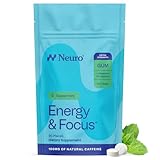
- Fast-Acting Nootropic - Our energy supplements deliver an extra boost of energy and clarity with a blend of natural caffeine, L-theanine, and vitamin b6 & b12. Your go-to chewing gum for work, exercise, and daily focus!
- Clean Energy - Each piece of our sugar free gum delivers 100mg of natural caffeine from green coffee beans for a smooth energy boost without crashes or jitters.
- The Perfect Balance - With 60mg of L-theanine per piece, our energy and focus formula promotes enhanced focus and stress reduction to smooth energy boosts.
- How to Use - Chew one piece of the caffeine gum whenever focus or energy is lacking. Ideal for mornings, pre-workout, or afternoon slumps. Effects typically kick in within minutes thanks to optimal absorption through the mouth.
- Made by Neuro, Backed by Science - At Neuro, we combine neuroscience with clean, science backed ingredients to help you do more, think better, and feel your best every single day.
What affects the result
- Amount of Coffee: The more you drink, the higher your caffeine dose. Simple as that.
- Caffeine Sensitivity: Some folks are wired differently. What’s fine for one person might send another over the edge.
- Brewing Method: Espresso has more caffeine per ounce than drip coffee, but you usually drink less.
- Roast Level: Lighter roasts generally have slightly more caffeine than darker roasts. Not a huge difference, though.
- Your Hydration Level: If you’re already low on fluids, caffeine can make it worse. Stay hydrated!
- Other Stimulants: Mixing coffee with energy drinks or certain medications can pile on the effects.
- Time of Day: Drinking coffee late might mess with sleep, which can also affect how you feel.
- Food Intake: Having coffee on an empty stomach can hit you harder.
- Underlying Health Conditions: Issues like low blood sugar or inner ear problems can be aggravated.
- Medications: Certain drugs can interact with caffeine. Always check with your doc.
- Your Weight and Metabolism: These play a role in how your body processes caffeine.
- Stress Levels: Being stressed already makes you more sensitive to stimulants.
Pros, cons, and when it matters
- Pro: Increased alertness and focus. Great for that morning push.
- Con: Jitters and anxiety. Not ideal when you need to be chill.
- Pro: Improved physical performance. Good for a workout boost.
- Con: Sleep disruption. Nobody likes tossing and turning.
- Pro: Antioxidants. Coffee has some good stuff in it.
- Con: Dizziness and lightheadedness. This is the main issue here.
- Pro: Social ritual. Grabbing a cup with friends is a good time.
- Con: Potential for dependence. You might feel like you need it.
- Pro: Can be a mood enhancer. A warm cup can feel pretty great.
- Con: Digestive issues. Some people get an upset stomach.
- Pro: Quick and easy to make. Drip coffee is pretty foolproof.
- Con: Overconsumption can lead to physical discomfort and dizziness. This is the key takeaway.
Common misconceptions
- “All coffee is the same.” Nope. Different beans, roasts, and brew methods yield different results and caffeine levels.
- “Decaf has zero caffeine.” It has a small amount, but usually not enough to cause issues for most people.
- “You can build a tolerance to dizziness.” While you might tolerate some effects, extreme overconsumption can still cause problems.
- “Coffee is inherently bad for you.” In moderation, for most people, it’s fine. It’s the excess that’s often the problem.
- “Dizziness is always from caffeine.” It can be, but other things can cause it too. Don’t jump to conclusions.
- “More caffeine means more energy.” Not always. Too much can backfire and make you feel wired but not productive.
- “Cold brew is less caffeinated.” It’s often more concentrated, so the caffeine can be higher depending on how it’s made and diluted.
- “Sugar doesn’t matter.” Adding lots of sugar can contribute to energy crashes and affect how you feel overall, potentially worsening dizziness.
- “You’ll feel dizzy immediately after one cup.” It depends on your sensitivity and how much you’ve had throughout the day.
- “Only weak people get dizzy from coffee.” Not true. It’s about physiology, not willpower.
FAQ
Q: How much coffee is too much?
A: It varies wildly. For most adults, up to 400 milligrams of caffeine (about 4 cups of brewed coffee) a day is generally considered safe. Exceeding that is where you might start feeling effects like dizziness.
Q: Can I drink coffee if I’m prone to dizziness?
A: You can try, but be cautious. Start with a smaller amount, maybe half a cup, and see how you feel. Stick to lower-caffeine options if possible.
Q: What should I do if I feel dizzy after coffee?
A: Stop drinking it immediately. Sit down, take slow, deep breaths. Drink some water to rehydrate. If it persists or is severe, seek medical advice.
Q: Does caffeine affect blood pressure and dizziness?
A: Yes. Caffeine can temporarily increase blood pressure and heart rate, which in sensitive individuals or with high doses, can contribute to a feeling of lightheadedness or dizziness.
Q: Is it my imagination, or does coffee make me dizzy sometimes?
A: It’s not your imagination. Your body is reacting to the caffeine. Factors like how much you’ve had, your hydration, and your personal sensitivity all play a role.
Q: Can dehydration from coffee cause dizziness?
A: Coffee is a mild diuretic, meaning it can make you urinate more. If you don’t compensate by drinking enough water, you can become dehydrated, which definitely causes dizziness.
Q: Are there specific types of coffee that are more likely to cause dizziness?
A: Highly concentrated coffees like espresso or cold brew, or simply drinking a large quantity of any type of coffee, can lead to higher caffeine intake and thus a greater chance of dizziness.
Q: What if I drink coffee every day and don’t get dizzy?
A: That’s likely because you’re within your personal tolerance level and staying hydrated. Your body is handling it just fine.
What this page does NOT cover (and where to go next)
- Specific medical diagnoses for dizziness. If it’s a persistent issue, see a doctor.
- Detailed nutritional breakdowns of coffee. There’s a lot of science there.
- Brand-specific comparisons of coffee makers or bean origins. That’s a whole other rabbit hole.
- Recipes for coffee-based drinks. Plenty of those out there.
- The exact physiological mechanisms of every neurotransmitter involved. It gets pretty technical.