
Making Iced Coffee: Do You Need Cold Brew?
Quick answer
- Cold brew is a method for making iced coffee, but it’s not the only way.
- You can make delicious iced coffee by brewing hot coffee and chilling it.
- Cold brew uses a longer steep time and no heat, resulting in a smoother, less acidic flavor.
- Hot-brewed and chilled iced coffee is faster to make and can highlight brighter coffee notes.
- The best method depends on your taste preferences and how much time you have.
- Consider your desired flavor profile and brewing convenience when deciding.
Who this is for
- Coffee lovers who want to enjoy refreshing iced coffee at home.
- Home baristas looking to expand their iced coffee brewing techniques beyond simply chilling hot coffee.
- Anyone curious about the differences between cold brew and other iced coffee methods.
What to check first
Brewer type and filter type
The type of brewer you use will influence the process, especially if you’re considering hot-brewed iced coffee. For hot brewing, standard drip machines, pour-over devices, French presses, or AeroPresses can all work. The filter type is also crucial; paper filters can trap more oils, leading to a cleaner cup, while metal or cloth filters allow more oils through for a richer mouthfeel. For cold brew, a coarse grind is essential, and a filter is needed to separate the grounds from the concentrate.
If you’re looking to simplify the process of making iced coffee at home, consider investing in a dedicated iced coffee maker. These devices are designed to brew coffee specifically for cold consumption, often with features that enhance flavor and convenience.

- BREW BY THE CUP OR CARAFE: Brews both K-Cup pods and coffee grounds.
- MULTISTREAM TECHNOLOGY: Saturates the grounds evenly to extract full flavor and aroma in every cup, hot or cold.
- BREW OVER ICE: Adjusts temperature for maximum flavor and less ice melt for single-cup iced coffees and teas.
- STRONG BREW & EXTRA HOT FUNCTIONALITY: Brews a stronger, more intense-flavored cup and the extra hot feature brews a hotter single cup.
- MULTIPLE BREW SIZES: Brew 6, 8, 10, or 12oz single cups or 6, 8, 10, or 12-cup carafes. 12-cup glass carafe specially designed to limit dripping.
Water quality and temperature
Good coffee starts with good water. Using filtered water can significantly improve the taste of your iced coffee by removing impurities that can cause off-flavors. For hot brewing, the ideal water temperature is typically between 195°F and 205°F. For cold brew, the water is at room temperature or cold, which is the defining characteristic of the method.
Grind size and coffee freshness
The grind size is critical for both methods. For hot brewing, you’ll use a grind size appropriate for your specific brewer (e.g., medium for drip, coarser for French press). For cold brew, a very coarse grind is essential to prevent over-extraction and make filtering easier. Freshly roasted and ground coffee beans will always yield the best flavor. Stale coffee can result in a flat or bitter taste, regardless of the brewing method.
Coffee-to-water ratio
Getting the coffee-to-water ratio right is key to a balanced brew. For hot coffee that you’ll chill, a slightly stronger brew is often recommended to account for dilution from ice. A common starting point is a 1:15 to 1:17 coffee-to-water ratio for hot brewing. For cold brew, you’re typically making a concentrate, so the ratio is much more concentrated, often ranging from 1:4 to 1:8 coffee-to-water. This concentrate is then diluted with water or milk over ice.
Cleanliness/descale status
A clean brewer is paramount for great-tasting coffee. Coffee oils can build up over time and turn rancid, imparting bitter and unpleasant flavors. Regularly clean your coffee maker, grinder, and any brewing accessories. Descaling your machine, if applicable, removes mineral buildup that can affect water flow and temperature, as well as taste.
Step-by-step (brew workflow)
Method 1: Hot-Brewed and Chilled Iced Coffee
1. Prepare your coffee and brewer: Select your preferred coffee beans and grind them to a medium consistency, suitable for drip or pour-over. Measure your coffee grounds and set up your brewing device.
- What “good” looks like: Evenly ground coffee, ready to be brewed.
- Common mistake: Using pre-ground coffee that has lost its aroma and flavor, or grinding too fine for the brewer. Avoid this by grinding beans just before brewing.
2. Heat your water: Heat fresh, filtered water to the ideal brewing temperature, around 195°F to 205°F.
- What “good” looks like: Water that is hot but not boiling.
- Common mistake: Using boiling water, which can scorch the coffee grounds and create bitterness. Let boiling water sit for about 30 seconds before pouring.
3. Brew your coffee: Brew your coffee at a slightly stronger concentration than you normally would for hot coffee. Aim for a ratio of about 1:15 to 1:17 (coffee to water) or even a bit stronger.
- What “good” looks like: A rich, aromatic coffee brew.
- Common mistake: Brewing at a normal strength, which will result in weak iced coffee after dilution with ice. Adjust your coffee-to-water ratio upwards.
4. Chill the coffee: Once brewed, immediately transfer the hot coffee to a heat-safe container and place it in the refrigerator to cool down quickly. Alternatively, you can brew directly over ice in a process called “Japanese-style iced coffee,” which cools it instantly and can enhance aromatics.
- What “good” looks like: Coffee that is rapidly cooling, minimizing flavor degradation.
- Common mistake: Letting hot coffee sit at room temperature for too long, allowing bacteria to grow and flavors to degrade. Swift chilling is key.
5. Prepare your serving glass: Fill a tall glass with fresh ice.
- What “good” looks like: A glass packed with ice, ready to chill your coffee.
- Common mistake: Using too little ice, which will lead to a diluted and warm drink quickly. Be generous with the ice.
To truly elevate your iced coffee experience, serving it in the right glassware makes a difference. Specially designed iced coffee glasses not only look great but can also help keep your drink colder for longer.
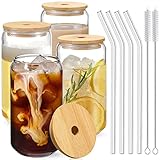
- PRODUCT CONFIGURATION: Drinking glass set includes 4 glass cups [ Diameter - 3 inches, Height - 5.6 inches ],4 nature bamboo lids, 4 reusable glass straws and 2 cleaning brushes, Classic design tumbler
- DURABLE and SAFE: The glasses are made of high-quality durable clear glass, Lead-free and BPA-free. It can be used safely for a long time. This thick clear glass can withstand the sudden changes in the temperature difference between -68°F to 212°F, making them dishwasher safe. If you want to decorate this glass, you can do DIY easily without breakage
- MULTI-PURPOSE: The glassware Great for any Occasion, any hot and cold drinks, home essentials. It is widely loved by families, kitchen, breweries, cafes, bars and restaurants. You can use it to make perfect tea, bubble Pearl Milk Tea, soda, water, iced coffee, smoothie, fruit juice or any other interesting holiday drinks
- AMAZING GIFT: This jar is very fashionable, aesthetic and characteristic. Excellent workmanship. Perfect Gifts for Women, House warming gifts, Tea mug Sets, Highball Glasses, Home Bar Accessories, Birthdays, Graduation, Weddings and Christmas Gifts
- SATISFIED SERVICE: This glass set is packaged in the heavy bubble holder and thick carton box to prevent damage while in transport. If the glass set you received was damaged or imperfect or you are not satisfied, we will offer a satisfactory solution
6. Pour and serve: Pour the chilled coffee over the ice. Add sweetener or milk if desired.
- What “good” looks like: A refreshing, well-chilled beverage with the desired flavor additions.
- Common mistake: Not accounting for the ice melt, leading to an overly diluted drink if the coffee wasn’t brewed strong enough initially.
Method 2: Cold Brew Iced Coffee
1. Grind your coffee: Grind your coffee beans to a very coarse consistency, similar to breadcrumbs.
- What “good” looks like: Coarsely ground coffee, with minimal fine particles.
- Common mistake: Grinding too fine, which will result in cloudy coffee and difficulty in filtering. Use a burr grinder if possible.
2. Combine coffee and water: In a large pitcher or container, combine the coarse coffee grounds with cold or room-temperature filtered water. A common ratio is 1:5 to 1:8 (coffee to water) to create a concentrate.
- What “good” looks like: A saturated mixture of coffee grounds and water.
- Common mistake: Using too little coffee or too much water, resulting in a weak cold brew concentrate. Stick to the recommended ratios.
3. Steep the coffee: Cover the container and let it steep at room temperature or in the refrigerator for 12 to 24 hours. Longer steeping times generally result in a stronger flavor.
- What “good” looks like: Coffee grounds fully submerged and infusing into the water over an extended period.
- Common mistake: Steeping for too short a time (under 12 hours), which leads to weak and underdeveloped flavor. Conversely, over-steeping beyond 24 hours can lead to bitterness.
4. Filter the coffee: Strain the mixture through a fine-mesh sieve lined with cheesecloth or a coffee filter. You may need to filter it twice to remove all sediment.
- What “good” looks like: A clear, rich coffee concentrate with no grounds or sediment.
- Common mistake: Not filtering thoroughly, leaving gritty particles in your cold brew. Be patient with the filtering process.
5. Dilute and serve: Pour the cold brew concentrate over ice. Dilute with water, milk, or a milk alternative to your preferred strength.
- What “good” looks like: A smooth, flavorful iced coffee at your desired strength.
- Common mistake: Drinking the concentrate straight, which is often too intense. Always dilute to taste.
6. Store the concentrate: Store any leftover cold brew concentrate in an airtight container in the refrigerator. It can last for up to two weeks.
- What “good” looks like: A well-sealed container keeping the concentrate fresh.
- Common mistake: Leaving the concentrate uncovered, allowing it to absorb odors from the refrigerator and lose freshness.
Common mistakes (and what happens if you ignore them)
| Mistake | What it causes | Fix |
|---|---|---|
| Using stale, pre-ground coffee | Flat, dull, or bitter taste; lack of aroma. | Grind fresh beans just before brewing. |
| Water too hot (for hot-brewed) | Scorched coffee grounds, leading to a bitter and astringent taste. | Let boiling water rest for 30-60 seconds before brewing (aim for 195-205°F). |
| Grind size too fine (for cold brew) | Cloudy coffee, difficult filtering, over-extraction, and bitterness. | Use a very coarse grind, similar to sea salt or breadcrumbs. |
| Not brewing hot coffee strong enough | Weak, watery iced coffee after dilution with ice. | Brew hot coffee at a slightly higher coffee-to-water ratio (e.g., 1:15 instead of 1:17) to compensate for ice melt. |
| Insufficient steeping time (for cold brew) | Under-extracted, weak, and underdeveloped flavor. | Steep for at least 12 hours, ideally 18-24 hours, for a rich concentrate. |
| Over-filtering or bruising grounds (cold brew) | Can release bitter compounds and create sediment. | Filter gently. If using a paper filter, don’t press down on the grounds. Consider a second, finer filter pass if needed. |
| Not chilling hot coffee quickly enough | Flavor degradation, potential for bacterial growth, and a less refreshing taste. | Transfer hot coffee to a heat-safe container and refrigerate immediately, or use the Japanese-style brewing method over ice. |
| Using tap water with strong flavors | Off-flavors in the final iced coffee, masking the coffee’s natural notes. | Use filtered or bottled water for brewing. |
| Not cleaning brewing equipment regularly | Rancid coffee oils build up, imparting bitterness and stale flavors. | Clean your brewer, grinder, and carafe after each use. Descale your machine periodically. |
| Forgetting to dilute cold brew concentrate | Overpoweringly strong, bitter, and undrinkable coffee. | Always dilute cold brew concentrate with water or milk to your preferred strength. Start with a 1:1 ratio and adjust. |
Decision rules (simple if/then)
- If you prefer a bright, acidic, or nuanced flavor profile, then brew hot coffee and chill it, because this method preserves more of the volatile aromatics that contribute to those delicate notes.
- If you want a smooth, mellow, and less acidic iced coffee, then cold brew is likely for you, because the absence of heat during extraction leads to lower acidity and a naturally sweeter taste.
- If you need iced coffee quickly, then hot-brewing and chilling is the better option, because it takes hours to brew cold brew, while hot coffee can be brewed and chilled in under an hour.
- If you have 12-24 hours to prepare your coffee, then cold brew is a viable and rewarding method, because this extended steep time is essential for extracting the full flavor from the grounds without heat.
- If you want to minimize bitterness, then cold brew is often preferred, because the lower acidity and slower extraction process tend to result in a smoother, less bitter cup.
- If you want to highlight the brighter, more floral, or fruity notes of a coffee bean, then hot-brewed and chilled iced coffee might be better, because heat can extract these compounds more effectively than cold water.
- If you plan to make a large batch of iced coffee concentrate to last for a week or more, then cold brew is ideal, because the concentrate stores well in the refrigerator for up to two weeks.
- If you have a standard drip coffee maker or pour-over setup, then hot-brewing and chilling is the most straightforward approach, because you can use your existing equipment without needing specialized gear.
- If you find regular hot coffee too acidic, then cold brew is a good alternative, because the cold water extraction process yields significantly less acid.
- If you enjoy experimenting with different coffee flavors and want to explore a wider range of taste experiences, then learning both methods is recommended, because each method highlights different characteristics of the coffee bean.
- If you are sensitive to caffeine, then cold brew may have less caffeine than hot-brewed coffee, depending on the brew strength and dilution, because the extraction process can be less efficient for caffeine.
- If you want a rich, syrupy texture in your iced coffee, then cold brew concentrate, when properly made, can provide this, because the higher coffee-to-water ratio results in a more viscous liquid.
FAQ
Do I have to use a special brewer for cold brew?
No, you don’t need a specialized cold brew maker. You can achieve excellent results using a large pitcher or jar, a fine-mesh sieve, and cheesecloth or a coffee filter for straining.
How long does cold brew last?
Cold brew concentrate can typically be stored in an airtight container in the refrigerator for up to two weeks. However, it’s best enjoyed within the first week for optimal flavor.
Is cold brew stronger than hot coffee?
Cold brew is often made as a concentrate, meaning it has a higher coffee-to-water ratio. This concentrate is then diluted, so the final strength can vary. However, the brewing process itself can extract different compounds, leading to a different perceived strength and flavor profile.
Can I use any type of coffee for cold brew?
While you can use any coffee, medium to dark roasts often perform well in cold brew, producing rich and chocolatey notes. However, lighter roasts can also yield interesting results, showcasing their inherent acidity and fruity notes in a smoother way.
Why is my hot-brewed iced coffee watery?
This usually happens if you didn’t brew the hot coffee strong enough to begin with. The ice melts and dilutes the coffee, so starting with a more concentrated brew is key.
What’s the difference in acidity between cold brew and hot coffee?
Cold brew is significantly less acidic than hot-brewed coffee. The absence of heat during the extraction process results in fewer acidic compounds being released into the brew.
Can I speed up the chilling process for hot-brewed iced coffee?
Yes, the fastest way is to brew hot coffee directly over ice (Japanese-style iced coffee). This cools it instantly, locking in aromatics and preventing flavor degradation from slow cooling.
How do I avoid sediment in my cold brew?
Using a very coarse grind and filtering thoroughly are the most important steps. Consider filtering through a fine-mesh sieve first, then again through a paper coffee filter or cheesecloth for a cleaner result.
Is cold brew less caffeinated than hot coffee?
This is a common misconception. While the extraction process is different, cold brew can sometimes have more caffeine due to the higher coffee-to-water ratio used for the concentrate. However, dilution can bring it to a comparable level.
What this page does NOT cover (and where to go next)
- Specific recipes for flavored iced coffees and coffee drinks.
- Detailed comparisons of different coffee bean origins and their suitability for iced coffee.
- Advanced techniques for espresso-based iced drinks like iced lattes and cappuccinos.
- The science behind coffee extraction and how temperature affects flavor compounds.