
Your Guide To Making Italian Style Coffee
Quick Answer
- Italian coffee is all about intensity and crema.
- Use finely ground, dark-roast beans.
- A moka pot is your best friend for home Italian-style brews.
- Don’t overfill the water chamber.
- Heat it on medium-low to avoid scorching.
- Stop brewing before it sputters too much.
Who This Is For
- You love that strong, concentrated coffee flavor.
- You’re looking to recreate that cafe experience at home.
- You’re curious about brewing methods beyond the drip machine.
What to Check First
Brewer Type and Filter Type
For Italian style, we’re usually talking about a moka pot. It’s that classic stovetop brewer. No paper filters here; it uses a metal filter basket. Make sure yours is clean and all the pieces fit together snugly. A loose seal means weak coffee.
Water Quality and Temperature
Use filtered water. Tap water can mess with the flavor, and nobody wants that. For Italian coffee, you want it hot, but not boiling, when it hits the grounds. Some folks even preheat the water in the base chamber. It helps speed things up and can prevent over-extraction.
Grind Size and Coffee Freshness
This is crucial. You need a fine grind, almost like powdered sugar, but not quite. Too coarse, and the water rushes through, giving you weak coffee. Too fine, and it can clog the filter, leading to a bitter mess. Freshly ground beans are always best. Look for a dark roast; that’s the classic Italian profile.
Achieving the right grind is crucial for moka pot brewing. A coffee grinder that can produce a fine setting, almost like powdered sugar, is essential.

- THE DO-IT-ALL GRINDER: Opus is a powerful all-purpose grinder that grinds for the full range of coffee brewing styles—espresso, pour-over, electric coffee makers, French press, and cold brew—with 41+ easily adjustable settings.
- 40 MM STAINLESS STEEL CONICAL BURRS: A 6-blade 40 mm conical burr set and powerful motor with 6Nm of torque deliver outstanding consistency and flavor across all brewing styles.
- DESIGNED IN CALIFORNIA: Opus understands your countertop is valuable real estate. Designed in San Francisco by a small but mighty team, Fellow melds minimalist aesthetics with maximum functionality to help you brew better coffee and tea at home.
- EASE AT EVERY STEP: Use the volumetric dosing lid to measure beans for up to 12 cups of brewed coffee, pop the load bin lid for a grind guide so you’re never lost, make precision adjustments using the inner ring, and keep your settings in check with unique no-tool calibration.
- REDUCED GRIND RETENTION: Opus’s direct drop-down design from load bin to catch reduces grind retention, while the anti-static technology and spouted catch make for less chaff mess.
For that authentic Italian profile, look for dark-roast beans. You can find excellent Italian coffee beans to get you started.
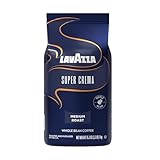
- SUPER CREMA: A 2.2 lb whole bean coffee bag ideal for espresso preparation
- INTENSITY AND ROAST: This full-bodied medium roast offers a bold and creamy finish
- BLEND: Made from Arabica and Robusta beans, this naturally caffeinated blend is sourced from 15 coffee-growing countries around the world
- PREPARATION: Ideal for espresso preparation.
- BREWING GUIDE FOR SINGLE ESPRESSO: 0.28 oz of ground espresso delivers a 1 oz espresso shot
Coffee-to-Water Ratio
For a moka pot, it’s pretty straightforward. Fill the filter basket with coffee grounds, level it off, but don’t tamp it down hard. Just a gentle tap. The water level in the bottom chamber should be just below the safety valve. Overfilling is a no-go.
Cleanliness/Descale Status
A dirty moka pot is a flavor killer. Rinse it thoroughly after every use. Periodically, you’ll want to give it a good scrub, especially the filter screen and gasket. If you’ve got hard water, descaling might be necessary every few months. Check your brewer’s manual for specific cleaning instructions.
Step-by-Step Moka Pot Brew Workflow
1. Disassemble the moka pot. Unscrew the top chamber from the base. Remove the filter basket.
- Good looks like: Clean, dry parts ready to go.
- Mistake to avoid: Trying to brew with a dirty pot. It ruins the taste.
2. Fill the base chamber with water. Use preheated filtered water if you like, up to just below the safety valve.
- Good looks like: Water level is correct, not touching the valve.
- Mistake to avoid: Overfilling. Water can get into the coffee chamber and dilute your brew.
3. Insert the filter basket. Make sure it sits flush in the base.
- Good looks like: The basket is seated properly.
- Mistake to avoid: Forgetting to put the basket in. Oops.
4. Fill the filter basket with coffee grounds. Use a fine, dark-roast grind. Level it off gently with your finger. Do NOT tamp.
- Good looks like: A smooth, even bed of coffee, no mound.
- Mistake to avoid: Packing the grounds too tightly. This will prevent water from flowing.
5. Screw the top chamber onto the base. Tighten it firmly but don’t crank on it like you’re trying to win a prize.
- Good looks like: A secure seal between the chambers.
- Mistake to avoid: Leaving it loose. Steam and coffee will escape, and you’ll get a weak brew.
6. Place the moka pot on the stove. Use medium-low heat. If you have a gas stove, keep the flame from licking up the sides.
- Good looks like: Gentle, consistent heat.
- Mistake to avoid: High heat. This will scorch the coffee and make it bitter.
7. Wait for the coffee to brew. You’ll hear a gentle gurgling sound.
- Good looks like: A slow, steady stream of dark coffee filling the top chamber.
- Mistake to avoid: Walking away and letting it boil over. Been there.
8. Remove from heat when the stream turns lighter and starts to sputter. This is key to avoiding bitterness.
- Good looks like: Lifting it off the heat as soon as the coffee flow thins and bubbles appear.
- Mistake to avoid: Letting it sputter and hiss. That’s the bitter stuff.
9. Stir the coffee in the top chamber. This blends the stronger initial brew with the lighter finish.
- Good looks like: A uniform color and consistency in the coffee.
- Mistake to avoid: Skipping this step. You’ll get uneven strength.
10. Pour immediately. Serve in small cups.
- Good looks like: A rich, aromatic shot of coffee.
- Mistake to avoid: Letting it sit on the burner. It will continue to cook and get bitter.
Common Mistakes (and What Happens If You Ignore Them)
| Mistake | What It Causes | Fix |
|---|---|---|
| Using a coarse grind | Weak, watery coffee. No body. | Switch to a finer grind, similar to table salt or slightly finer. |
| Tamping the coffee grounds | Water can’t flow through, leading to a bitter, burnt taste or no coffee at all. | Just level the grounds gently; don’t press them down. |
| Using too high heat | Scorched coffee, bitter, acrid flavor. | Use medium-low heat and control the flame. |
| Letting the moka pot sputter and hiss | Over-extraction, bitter and metallic taste. | Remove from heat as soon as the coffee flow thins. |
| Overfilling the water chamber | Water can mix with coffee grounds, diluting the brew. | Fill to just below the safety valve. |
| Using stale or low-quality beans | Flat, dull flavor, lack of crema and aroma. | Use freshly roasted, dark-roast beans. |
| Not cleaning the moka pot regularly | Rancid oils build up, imparting off-flavors. | Rinse and dry after every use; deep clean periodically. |
| Using a moka pot with a worn gasket | Steam and water leak out, resulting in weak coffee. | Replace the gasket and filter screen when they look worn. |
| Not stirring the coffee before pouring | Uneven extraction, coffee tastes different cup to cup. | Stir the brewed coffee in the top chamber before serving. |
| Using tap water with high mineral content | Off-flavors, scale buildup in the brewer. | Use filtered or bottled water. |
Decision Rules
- If your moka pot coffee tastes bitter, then try a coarser grind because a too-fine grind can over-extract.
- If your coffee is weak and watery, then try a finer grind because a too-coarse grind lets water pass through too quickly.
- If your moka pot is sputtering violently, then remove it from the heat immediately because this indicates over-extraction.
- If you see coffee grounds in your cup, then check your filter screen and gasket for damage or debris because they might be allowing grounds to pass through.
- If you smell burning, then your heat is too high and you need to reduce it because high heat scorches the coffee.
- If your moka pot is difficult to screw together, then check the threads for coffee grounds or debris because this can prevent a good seal.
- If you want a richer, more intense flavor, then use a dark-roast bean because these are traditional for Italian-style coffee.
- If your coffee has a metallic taste, then clean your moka pot thoroughly, especially the aluminum parts, because old coffee oils can cause this.
- If you’re unsure about the water level, then err on the side of slightly less water because overfilling is a common issue.
- If your coffee doesn’t seem to be brewing, then ensure the water chamber is filled and the heat is on medium-low because insufficient heat won’t generate enough pressure.
FAQ
What kind of coffee beans should I use for Italian style?
You’ll want dark-roast beans. Think Italian or French roast. They’re roasted longer, giving them that bold, sometimes slightly smoky flavor profile that’s classic for this style.
How do I get good crema on my moka pot coffee?
Moka pot crema is different from espresso crema. It’s usually less dense and disappears faster. Using a fine grind, not tamping, and removing the pot from the heat right as it starts to sputter helps maximize what you get.
Can I use an electric moka pot?
Yes, electric moka pots work on the same principle. They offer convenience by automatically shutting off, which can help prevent over-extraction if you’re paying attention.
Is moka pot coffee the same as espresso?
It’s similar in intensity and body but not technically espresso. Espresso is brewed under much higher pressure (9 bars) than a moka pot (around 1-2 bars). It’s often called “stovetop espresso” because it’s the closest you can get at home without an espresso machine.
How much coffee does a moka pot make?
Moka pots come in different sizes, usually rated by “cups.” A 3-cup moka pot typically makes about 1.5 to 2 oz of coffee. It’s meant to be served in small, demitasse-style cups.
My moka pot tastes burnt. What did I do wrong?
This usually means the heat was too high, or you let it brew for too long after it started sputtering. Try reducing the heat and removing it from the stove as soon as the coffee flow turns light brown.
Should I wash my moka pot with soap?
Most manufacturers recommend rinsing with hot water only and drying thoroughly after each use. Soap can strip the seasoning from aluminum pots and potentially leave a residue that affects taste. Check your specific brewer’s manual.
What This Page Does Not Cover (and Where to Go Next)
- Detailed comparisons of different moka pot brands and materials (aluminum vs. stainless steel).
- Advanced techniques for achieving specific flavor profiles beyond the classic Italian style.
- Troubleshooting guide for specific moka pot malfunctions (e.g., valve issues).
- Recipes for Italian coffee drinks like cappuccinos or macchiatos (though this is a great starting point!).
- Information on other Italian brewing methods like the Neapolitan flip coffee pot.