
Mastering Italian Iced Coffee: A Simple Guide
Quick Answer
- Start with strong espresso. It’s the base.
- Chill your glass and coffee. Cold is key.
- Use simple syrup. Granulated sugar dissolves poorly in cold liquid.
- Don’t over-dilute. Ice melts, so be mindful.
- Taste and adjust. Sweetness and coffee strength are personal.
- Garnish if you’re feeling fancy. A little flair never hurt.
Who This Is For
- Anyone craving a refreshing, sophisticated coffee drink without a fuss.
- Home baristas looking to elevate their iced coffee game beyond the usual.
- Folks who love Italian coffee culture and want to bring a piece of it home.
What to Check First for Italian Iced Coffee
Before you even think about brewing, let’s make sure your setup is ready to roll. This isn’t rocket science, but a few checks make a big difference.
Brewer Type and Filter Type
What are you using to make your coffee? Whether it’s an espresso machine, Moka pot, or even a good drip brewer, know its quirks. For Italian iced coffee, espresso is the classic. If you don’t have an espresso machine, a Moka pot makes a strong, concentrated brew that works. If you’re using a drip machine, aim for a darker roast and a finer grind to get that intensity. Paper filters are common, but metal filters can add a bit more body. Just make sure your filter is clean and fits your brewer.
Water Quality and Temperature
This is a big one, people. Bad water makes bad coffee, plain and simple. If your tap water tastes funky, it’ll do the same to your espresso. Consider using filtered water. For iced coffee, the water temperature during brewing is crucial for extraction, but the final drink’s temperature is all about that chill. You want your espresso brewed hot, then cooled fast.
Grind Size and Coffee Freshness
The grind is everything. Too coarse, and your espresso will be weak and watery. Too fine, and it’ll be bitter and choked. For espresso, think superfine, like powdered sugar, but not quite. Freshness matters too. Coffee loses its magic fast after grinding. Grind your beans right before you brew. Look for beans roasted within the last few weeks for the best flavor.
Coffee-to-Water Ratio
This is where you balance strength. For a standard espresso, a common starting point is a 1:2 ratio – meaning for every gram of coffee, you use two grams of water. So, if you use 18 grams of coffee, aim for about 36 grams of espresso. For Italian iced coffee, you might want your espresso a little stronger, maybe a 1:1.5 ratio, to stand up to the ice and syrup.
Cleanliness/Descale Status
Your brewer and grinder need to be clean. Old coffee oils go rancid and will ruin the taste of even the best beans. If you haven’t descaled your espresso machine or Moka pot in a while, do it. Mineral buildup affects temperature and flow, which means sad coffee. A quick wipe-down of your portafilter and steam wand (if you have one) is a good habit.
Step-by-Step: How to Make Italian Iced Coffee
Let’s get this done. This is how you build that perfect Italian iced coffee.
1. Prepare Your Glass: Grab a tall, sturdy glass. Fill it about halfway with ice. This pre-chills the glass and gives your coffee a solid base to chill on.
- What “good” looks like: A glass that feels cold to the touch.
- Common mistake: Using a room-temperature glass. It melts the ice too fast, diluting your drink.
To get started, grab a tall, sturdy glass – these iced coffee glasses are perfect for holding your refreshing beverage and keeping it nice and cold.
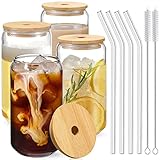
- PRODUCT CONFIGURATION: Drinking glass set includes 4 glass cups [ Diameter - 3 inches, Height - 5.6 inches ],4 nature bamboo lids, 4 reusable glass straws and 2 cleaning brushes, Classic design tumbler
- DURABLE and SAFE: The glasses are made of high-quality durable clear glass, Lead-free and BPA-free. It can be used safely for a long time. This thick clear glass can withstand the sudden changes in the temperature difference between -68°F to 212°F, making them dishwasher safe. If you want to decorate this glass, you can do DIY easily without breakage
- MULTI-PURPOSE: The glassware Great for any Occasion, any hot and cold drinks, home essentials. It is widely loved by families, kitchen, breweries, cafes, bars and restaurants. You can use it to make perfect tea, bubble Pearl Milk Tea, soda, water, iced coffee, smoothie, fruit juice or any other interesting holiday drinks
- AMAZING GIFT: This jar is very fashionable, aesthetic and characteristic. Excellent workmanship. Perfect Gifts for Women, House warming gifts, Tea mug Sets, Highball Glasses, Home Bar Accessories, Birthdays, Graduation, Weddings and Christmas Gifts
- SATISFIED SERVICE: This glass set is packaged in the heavy bubble holder and thick carton box to prevent damage while in transport. If the glass set you received was damaged or imperfect or you are not satisfied, we will offer a satisfactory solution
2. Brew Your Espresso: Pull a double shot (or two single shots) of espresso. Aim for a rich, dark crema.
- What “good” looks like: A syrupy, dark liquid with a reddish-brown crema that lasts.
- Common mistake: Under-extracting (pale, thin crema) or over-extracting (bitter, dark crema). Dial in your grind and tamping.
3. Cool the Espresso (Quickly): Immediately after brewing, set the hot espresso aside to cool for a minute or two. Some folks even pour it into a pre-chilled metal shot glass to speed this up.
- What “good” looks like: The espresso is still warm but not scalding hot.
- Common mistake: Pouring piping hot espresso directly over ice. It melts the ice too much.
4. Make Simple Syrup: In a small saucepan, combine equal parts sugar and water (e.g., 1/2 cup sugar, 1/2 cup water). Heat gently, stirring until the sugar dissolves completely. Let it cool. You can make a batch ahead of time and store it in the fridge.
- What “good” looks like: A clear, syrupy liquid with no undissolved sugar.
- Common mistake: Using granulated sugar directly in cold coffee. It won’t dissolve well, leaving gritty bits.
5. Add Syrup to Glass: Pour 1-2 tablespoons of your cooled simple syrup over the ice in your glass. Adjust to your sweetness preference.
- What “good” looks like: The syrup coats the ice and glass bottom.
- Common mistake: Adding too much syrup at once. You can always add more later.
6. Pour Espresso Over Ice and Syrup: Gently pour the slightly cooled espresso over the ice and syrup.
- What “good” looks like: The espresso cascades down, mixing with the syrup and chilling on the ice.
- Common mistake: Pouring too fast, splashing coffee everywhere. Be deliberate.
7. Add Cold Water (Optional, for dilution): If you prefer a less intense coffee, add a splash of cold water (maybe 2-4 oz). This is where you control the final strength.
- What “good” looks like: The water integrates smoothly without making the drink look watery.
- Common mistake: Adding too much water, turning your espresso into a weak coffee.
8. Stir Gently: Give the drink a gentle stir to combine the espresso, syrup, and water (if added).
- What “good” looks like: All components are mixed, and the color is uniform.
- Common mistake: Stirring too vigorously, which can agitate the ice and melt it faster.
9. Top with More Ice (If Needed): If your glass isn’t full enough or you want it colder, add a few more ice cubes.
- What “good” looks like: A glass filled with ice, ready for sipping.
- Common mistake: Overfilling with ice, leaving no room for coffee.
10. Garnish (Optional): A twist of lemon peel or a dusting of cocoa powder can be a nice touch.
- What “good” looks like: A visually appealing drink that smells great.
- Common mistake: Overdoing the garnish and distracting from the coffee flavor.
Common Mistakes (and What Happens If You Ignore Them)
| Mistake | What It Causes | Fix |
|---|---|---|
| Using stale coffee beans | Flat, woody, or bitter taste; lack of aroma. | Buy freshly roasted beans (within 2-3 weeks) and grind just before brewing. |
| Incorrect grind size | Too coarse: weak, watery espresso. Too fine: bitter, choked espresso. | Dial in your grinder for espresso. Aim for superfine but not powdered sugar consistency. |
| Not pre-chilling the glass and ice | Rapid ice melt, resulting in a diluted, weak coffee. | Fill your serving glass with ice while brewing, or use very cold ice. |
| Adding granulated sugar directly | Gritty texture; sugar doesn’t dissolve, leaving a sweet-and-sour experience. | Use simple syrup (equal parts sugar and water, heated to dissolve). |
| Pouring hot espresso directly onto ice | Melts too much ice, diluting the drink significantly. | Let espresso cool for 1-2 minutes before pouring over ice. |
| Using tap water with off-flavors | Imparts unpleasant tastes to your coffee. | Use filtered or bottled water for brewing. |
| Neglecting brewer cleanliness | Rancid oils and mineral buildup ruin flavor and affect performance. | Clean your brewer regularly and descale according to manufacturer instructions. |
| Over-diluting with water | Weakens the coffee flavor, masking the espresso’s character. | Add cold water sparingly, tasting as you go, or skip it if you prefer a stronger drink. |
| Not tasting and adjusting sweetness | Drink is too sweet or not sweet enough for your palate. | Start with a smaller amount of syrup and add more after tasting. |
| Using an espresso machine improperly | Inconsistent shots, poor extraction, or equipment damage. | Read your machine’s manual and practice your technique (tamping, dose, grind). |
| Not letting simple syrup cool properly | Can melt ice too quickly if still warm, or be too thick if not fully dissolved. | Ensure syrup is fully dissolved and cooled before adding to the drink. |
Decision Rules for Italian Iced Coffee
Here are some simple if/then scenarios to help you troubleshoot and perfect your brew.
- If your espresso shot is pulling too fast and looks pale, then grind your coffee finer because a finer grind offers more resistance for better extraction.
- If your espresso shot is choking the machine or tastes overly bitter, then grind your coffee coarser because a coarser grind allows water to flow more freely.
- If your iced coffee tastes weak and watery, then use less ice or brew a stronger espresso shot because too much ice or weak coffee dilutes the flavor.
- If you want a sweeter drink, then add more simple syrup because it’s designed to dissolve easily and enhance sweetness.
- If you notice gritty sugar at the bottom of your glass, then switch to simple syrup because it’s pre-dissolved and mixes smoothly.
- If your coffee lacks aroma and depth, then check your coffee bean freshness and grind size because stale beans or the wrong grind are the usual culprits.
- If your espresso has no crema or a very thin, bubbly crema, then check your coffee dose and tamp pressure because these affect how water flows through the grounds.
- If your machine is sputtering or not heating properly, then it’s likely time to descale because mineral buildup interferes with performance.
- If you prefer a less intense coffee but don’t want to dilute the flavor too much, then add a smaller amount of cold water after tasting the espresso and syrup mixture.
- If your drink tastes slightly burnt or astringent, then you may have over-extracted your espresso, so adjust your grind and brew time.
FAQ
Q: Can I use regular sugar instead of simple syrup?
A: You can, but it’s not ideal. Granulated sugar dissolves poorly in cold liquids, leaving you with a gritty texture and uneven sweetness. Simple syrup is the way to go for a smooth finish.
Q: What kind of coffee beans are best for Italian iced coffee?
A: Darker roasts, often with Italian or espresso blends, work well. They have a bolder flavor that stands up to the ice and sweetness. Look for beans that taste rich and chocolatey.
Q: How much ice should I use?
A: Enough to fill your glass about halfway to two-thirds full. You want it cold, but not so much ice that it melts and waters down your drink too quickly.
Q: Is it okay to add milk or cream?
A: While traditional Italian iced coffee is often served black, you can absolutely add a splash of cold milk or cream if you like. It makes it more like a coffee with cream.
Q: Can I make this ahead of time?
A: You can brew your espresso and make your simple syrup ahead of time and store them in the fridge. However, it’s best to assemble the drink with ice just before serving to prevent dilution.
Q: My espresso tastes bitter. What did I do wrong?
A: Bitterness usually means over-extraction. Try grinding your coffee a bit coarser, using slightly less coffee, or reducing your brew time.
Q: How do I get that nice foamy crema on top?
A: Good crema comes from fresh, finely ground coffee, proper tamping, and sufficient pressure from your espresso machine. It’s a sign of a well-pulled shot.
Q: What’s the difference between Italian iced coffee and regular iced coffee?
A: Italian iced coffee typically starts with a base of strong espresso, often served black or with simple syrup. Regular iced coffee can be made with various brewing methods and might include milk, cream, or flavored syrups from the start.
What This Page Does Not Cover (and Where to Go Next)
- Advanced espresso machine maintenance: If your machine needs serious repair, check the manufacturer’s manual or contact a service technician.
- Specific coffee bean origins and tasting notes: Exploring single-origin beans is a whole other journey. Look for guides on coffee cupping and flavor profiles.
- Latte art techniques: If you’re adding milk and want to pour swans, that’s a whole different skill set. Dive into milk steaming and pouring tutorials.
- Cold brew coffee: This is a different method entirely, requiring long steep times and a different flavor profile. Find guides dedicated to cold brew.