
Will Drinking Coffee Cause Me to Gain Weight?
Quick answer
- For most people, drinking black coffee itself does not cause weight gain.
- The calories in coffee are minimal, making it a low-calorie beverage.
- Weight gain from coffee is typically due to added ingredients like sugar, cream, syrups, and whipped toppings.
- Consuming high-calorie coffee drinks regularly can contribute to a caloric surplus, leading to weight gain over time.
- Some studies suggest coffee may even have a slight metabolism-boosting effect, potentially aiding in weight management.
- Focusing on how you prepare your coffee is key to avoiding unintended calorie intake.
What this problem usually is (and is not)
This concern usually stems from the popular practice of adding various sweeteners and dairy to coffee, which can significantly increase calorie count. It’s important to distinguish between the coffee itself and what’s added to it. Black coffee is essentially calorie-free, making it a neutral beverage in terms of weight. The issue isn’t does drinking coffee make me fat, but rather, what are you adding to your coffee? This guide will focus on how your coffee habits might be impacting your weight.
Likely causes (triage list)
Added Sugars and Sweeteners
- What to look for: Do you add sugar, honey, agave, or artificial sweeteners to your coffee?
- How to confirm: Observe your daily coffee preparation. If you consistently add more than a nominal amount of sweetener, this is a likely culprit.
Creamers and Dairy Products
- What to look for: Do you use milk, half-and-half, heavy cream, or flavored creamers?
- How to confirm: Note the type and amount of dairy or creamer you pour into your cup. High-fat dairy and rich creamers add significant calories.
Syrups and Flavorings
- What to look for: Do you use flavored syrups (like vanilla, caramel, or mocha) or other liquid flavorings?
- How to confirm: Check your pantry or the coffee shop menu for the types of syrups used. These are often loaded with sugar.
Toppings and Whipped Cream
- What to look for: Do you top your coffee with whipped cream, chocolate shavings, or cookie crumbles?
- How to confirm: Visually inspect your finished beverage. These additions can turn a simple coffee into a dessert.
Beverage Size and Frequency
- What to look for: Are you consuming large-sized coffee drinks or multiple flavored coffees per day?
- How to confirm: Consider the volume of your coffee and how many such drinks you have. Larger portions and more frequent consumption amplify the impact of added calories.
Misunderstanding “Healthy” Coffee Drinks
- What to look for: Do you assume certain “specialty” coffee drinks are healthy without checking their ingredients?
- How to confirm: Research the nutritional information of your go-to coffee shop orders. Many are surprisingly high in calories and sugar.
Fix it step-by-step (brew workflow)
This workflow focuses on preparing coffee in a way that minimizes calorie intake.
1. Start with Fresh, Quality Beans:
- What to do: Select whole coffee beans that are freshly roasted. Grind them just before brewing.
- What “good” looks like: Your coffee will have a rich aroma and a complex, nuanced flavor profile.
- Common mistake: Using pre-ground coffee that has gone stale. This leads to a duller taste, making you more likely to mask it with additions.
To ensure the freshest flavor and reduce the temptation to mask it with additions, consider investing in a quality coffee bean grinder. Grinding your beans just before brewing makes a significant difference in taste.
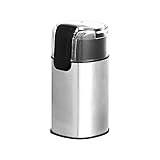
- Electric coffee bean grinder appliance for home use
- Can grind 30 grams/1 ounce of beans for drip coffee brewing in 10 seconds
- Grind coffee beans, herbs, spices, grains, nuts, and more
- Clear safety lid allows you to easily see the results in progress
- Heavy-duty stainless steel grind blade
2. Use Filtered Water:
- What to do: Use cold, filtered water for brewing.
- What “good” looks like: The water tastes clean and neutral, without any off-putting flavors.
- Common mistake: Using tap water that has a strong mineral taste or chlorine smell. This can negatively impact the coffee’s flavor and your perception of it.
3. Measure Your Coffee Grounds Accurately:
- What to do: Use a kitchen scale to measure your coffee grounds. A common starting ratio is 1:15 to 1:18 (coffee to water by weight). For example, 20 grams of coffee for 300-360 grams (about 10-12 oz) of water.
- What “good” looks like: Consistent extraction and a balanced flavor profile, without bitterness or sourness.
- Common mistake: Guessing the amount of coffee. Too little can lead to weak, sour coffee; too much can lead to bitter, over-extracted coffee.
4. Choose Your Brewing Method:
- What to do: Select a brewing method that suits your preference, such as a drip coffee maker, pour-over, French press, or AeroPress.
- What “good” looks like: The machine or device operates smoothly and produces coffee efficiently.
- Common mistake: Using a machine that hasn’t been cleaned. Residual oils can make coffee taste rancid.
5. Brew at the Correct Temperature:
- What to do: Ensure your brewing water is between 195°F and 205°F (90.5°C to 96°C). Most automatic coffee makers heat water to this range.
- What “good” looks like: The coffee extracts evenly, producing a full-bodied and flavorful cup.
- Common mistake: Using water that is too cool, which results in under-extraction and sour coffee, or water that is too hot, which can scorch the grounds and lead to bitterness.
6. Observe the Bloom (for pour-over/French press):
- What to do: For methods like pour-over or French press, pour a small amount of hot water over the grounds and let them “bloom” for about 30 seconds. You’ll see them expand and release CO2.
- What “good” looks like: The coffee grounds puff up and release a gentle bubbling.
- Common mistake: Skipping the bloom. This can lead to uneven extraction as trapped gases prevent water from reaching all the grounds.
7. Complete the Brew Cycle:
- What to do: Allow the brewing process to finish according to your chosen method’s instructions.
- What “good” looks like: The coffee is fully extracted and ready to be served.
- Common mistake: Interrupting the brew cycle prematurely or letting it run too long, which can lead to weak or over-extracted coffee.
8. Serve Black or with Minimal Additions:
- What to do: Taste the coffee black first. If you prefer additions, opt for unsweetened plant-based milks (like almond or oat milk in moderation), a tiny splash of regular milk, or a natural sweetener like stevia or monk fruit in very small amounts.
- What “good” looks like: You enjoy the natural flavor of the coffee. If you add something, it complements the coffee without overpowering it or adding significant calories.
- Common mistake: Immediately adding large amounts of sugar, cream, or syrups without tasting the coffee first.
9. Control Portion Size:
- What to do: Be mindful of the size of your coffee cup. A standard cup is 8 oz, but many mugs are larger.
- What “good” looks like: You’re consuming a reasonable amount of coffee that fits into your daily fluid intake.
- Common mistake: Drinking coffee from extra-large mugs (16-20 oz or more) if you’re adding calories. This can significantly increase your daily intake.
10. Clean Your Equipment Regularly:
- What to do: Rinse your coffee maker, grinder, and any brewing accessories immediately after use. Perform a deeper clean as recommended by the manufacturer.
- What “good” looks like: Your equipment is free of coffee grounds and oily residue.
- Common mistake: Letting coffee oils and grounds build up, which can lead to stale-tasting coffee and potential machine malfunctions.
Prevent it next time
- Clean your coffee maker weekly: Rinse the carafe, filter basket, and brew head.
- Descale your machine every 1-3 months: Use a descaling solution or vinegar as per your machine’s manual.
- Use filtered water: Store water in a clean pitcher and refill as needed.
- Measure coffee beans and water: Use a scale for consistent results and calorie control.
- Grind beans just before brewing: This preserves freshness and flavor, reducing the need for masking additives.
- Opt for black coffee or minimal additions: Taste your coffee before adding anything.
- Choose unsweetened plant-based milks: If you use milk, select unsweetened varieties in moderation.
- Avoid sugary syrups and toppings: These add significant, unnecessary calories.
- Be mindful of serving size: Stick to standard 8-12 oz servings if adding calories.
- Inspect your coffee maker regularly: Look for any signs of wear or buildup that could affect performance or taste.
Common mistakes (and what happens if you ignore them)
| Mistake | What it causes | Fix |
|---|---|---|
| Adding excessive sugar | Significant calorie intake, leading to potential weight gain; blood sugar spikes. | Gradually reduce sugar amount; switch to natural, zero-calorie sweeteners if needed. |
| Using full-fat cream/milk | High saturated fat and calorie intake, contributing to weight gain. | Switch to low-fat milk, unsweetened plant-based milks, or use smaller amounts of full-fat options. |
| Frequent use of flavored syrups | Large amounts of added sugar and calories, contributing to weight gain. | Use sparingly, or opt for natural flavor extracts like vanilla or cinnamon in moderation. |
| Topping with whipped cream and sprinkles | Turns coffee into a dessert, adding hundreds of calories and sugar. | Omit toppings entirely or use a very small amount of unsweetened whipped cream if desired. |
| Drinking multiple large specialty drinks | Accumulation of calories and sugar throughout the day, leading to weight gain. | Limit to one specialty drink per day, or switch to black coffee with minimal additions. |
| Not cleaning the coffee maker | Stale, bitter taste; potential for mold growth; machine malfunction. | Clean carafe and filter basket daily; descale machine monthly as per manufacturer instructions. |
| Using stale, pre-ground coffee | Flat, uninteresting flavor; encourages masking with additives. | Buy whole beans and grind them just before brewing for optimal freshness and taste. |
| Brewing with water that’s too hot | Scorched coffee grounds, leading to bitter and unpleasant flavor. | Ensure water temperature is between 195-205°F (90.5-96°C). |
| Using unfiltered tap water | Off-flavors from minerals or chlorine; can affect the coffee’s natural taste. | Use cold, filtered water for a cleaner, more accurate coffee flavor. |
| Over-extracting coffee | Bitter, harsh taste that may lead to adding more sweeteners to mask it. | Pay attention to brew time and grind size; consult your brewing method’s guidelines. |
Decision rules (simple if/then)
- If your coffee tastes bitter, then you may have over-extracted it or used water that was too hot, because this can lead to adding more sugar to compensate.
- If you add more than two teaspoons of sugar to your coffee daily, then you are likely consuming significant extra calories, because sugar is calorie-dense.
- If you regularly drink coffee with whipped cream and syrups, then you are essentially drinking a dessert, because these additions are high in calories and sugar.
- If your coffee tastes sour, then it’s likely under-extracted, because insufficient brewing time or too coarse a grind can cause this.
- If you notice a stale or rancid taste in your coffee, then your brewing equipment likely needs cleaning, because coffee oils can build up and turn bitter.
- If you are trying to lose weight and regularly drink sweetened coffee beverages, then reducing or eliminating the added sugar and cream is a good first step, because these are easy sources of excess calories.
- If your coffee lacks flavor, then your beans might be stale or your grind might be too coarse, because these factors affect extraction quality.
- If you use flavored creamers, then check the nutrition label, because many are surprisingly high in sugar and fat.
- If your coffee has an odd chemical taste, then consider using filtered water, because tap water impurities can affect flavor.
- If you are concerned about does drinking coffee make me fat, then focus on the additions rather than the coffee itself, because black coffee has negligible calories.
- If you find yourself adding a lot of milk and sugar to your coffee, then consider trying a pour-over or French press with a more balanced coffee-to-water ratio, because this can highlight the coffee’s natural flavors.
FAQ
Q: Does black coffee have calories?
A: Black coffee has very few calories, typically less than 5 per 8 oz cup. It’s considered a virtually calorie-free beverage.
Q: Can coffee boost my metabolism?
A: Yes, caffeine in coffee can temporarily increase your metabolic rate. However, the effect is usually modest and not enough to cause significant weight loss on its own.
Q: Is it okay to drink coffee if I’m trying to lose weight?
A: Absolutely. Black coffee is a great beverage choice for weight loss due to its low calorie count and potential metabolism-boosting effects.
Q: What’s the healthiest way to drink coffee?
A: The healthiest way is to drink it black or with a small amount of unsweetened milk or a natural, zero-calorie sweetener.
Q: How much sugar is too much in coffee?
A: For weight management, any added sugar contributes extra calories. Aim to minimize or eliminate added sugars altogether.
Q: Can coffee interfere with sleep, and does that affect weight?
A: Yes, caffeine can disrupt sleep. Poor sleep is linked to hormonal changes that can increase appetite and cravings, potentially impacting weight.
Q: Are “sugar-free” coffee creamers a good option?
A: “Sugar-free” doesn’t always mean calorie-free. Some contain artificial sweeteners and fats that can still contribute to your daily intake. Always check the nutrition label.
Q: Does the type of coffee bean matter for weight?
A: No, the type of coffee bean itself does not significantly impact weight. The preparation and additions are what matter.
Q: How often should I clean my coffee maker to avoid taste issues?
A: It’s recommended to rinse the carafe and filter basket daily and perform a deeper cleaning (descaling) every 1-3 months, depending on your machine and water hardness.
What this page does NOT cover (and where to go next)
- Specific nutritional breakdowns for every type of coffee drink. For detailed information, consult the manufacturer or coffee shop.
- Recommendations for specific coffee brands or roasting profiles. Explore different origins and roasts to find what you enjoy.
- Advanced brewing techniques beyond basic workflow. Look for guides on pour-over, espresso, or cold brew.
- The impact of caffeine on specific medical conditions. Consult a healthcare professional for personalized advice.
- Detailed recipes for calorie-laden coffee drinks. Focus on minimizing additions for health-conscious choices.