
Why Does Coffee Cause Burping? Understanding The Causes
Quick answer
- Coffee can cause burping due to swallowed air during drinking.
- The carbonation in some coffee drinks is a major culprit.
- Acids in coffee can irritate your stomach, leading to gas.
- Some people are sensitive to caffeine or other coffee compounds.
- Underlying digestive issues might be aggravated by coffee.
- How you brew and prepare your coffee can also play a role.
What this problem usually is (and is not)
- This is usually about air and stomach reactions, not a broken coffee maker.
- It’s not a sign your coffee is “bad” or unsafe to drink.
- We’re talking about simple burping, not severe stomach pain or reflux.
- This isn’t about your coffee maker creating gas. It’s about what happens after you drink the coffee.
- Focusing on how you drink and what’s in your cup is key.
Likely causes (triage list)
Swallowed Air
- Problem: You gulp your coffee too fast.
- Confirm: Pay attention to your drinking speed. Do you find yourself inhaling your coffee?
- Problem: Using a straw for iced coffee.
- Confirm: Do you use a straw regularly for your coffee?
- Problem: Talking a lot while drinking.
- Confirm: Are you usually chatting or distracted when you drink your coffee?
Carbonation & Fizziness
- Problem: Cold brew coffee, especially if it’s been aerated or infused.
- Confirm: Is your coffee cold brew? Does it have a slightly fizzy quality?
- Problem: Adding carbonated mixers or water to coffee.
- Confirm: Do you mix your coffee with seltzer or other fizzy drinks?
Stomach Acidity & Sensitivity
- Problem: The natural acids in coffee.
- Confirm: Do you get heartburn or an upset stomach from other acidic foods?
- Problem: Caffeine sensitivity.
- Confirm: Do you feel jittery or have stomach issues with other caffeinated drinks?
- Problem: Other compounds in coffee beans.
- Confirm: Do you react similarly to decaf coffee? (Less likely, but possible).
Preparation & Machine Factors (Indirectly)
- Problem: Coffee brewed too strong or with an incorrect ratio.
- Confirm: Are you using a consistent coffee-to-water ratio? Does it seem unusually concentrated?
- Problem: Old or stale coffee grounds.
- Confirm: How old are your coffee beans or grounds? Have they been stored properly?
Fix it step-by-step (brew workflow)
Here’s how to tackle burping from your coffee, focusing on your habits and the brew itself.
1. Slow Your Sip:
- What to do: Take smaller sips. Consciously slow down your drinking pace.
- What “good” looks like: You can enjoy the flavor without feeling like you’re gulping. No sudden air intake.
- Common mistake: Rushing because you’re busy or really need that caffeine hit.
- Avoid it: Set aside dedicated time for your coffee. Treat it like a moment to relax.
2. Ditch the Straw (for hot coffee):
- What to do: Drink hot coffee directly from the mug.
- What “good” looks like: You’re not creating extra air bubbles as you sip.
- Common mistake: Using a straw for hot coffee out of habit.
- Avoid it: Simply put the mug to your lips. It’s the most direct way. (Straws are fine for cold drinks if you must, but be mindful of air).
For hot coffee, drinking directly from a quality coffee mug can help reduce swallowed air.
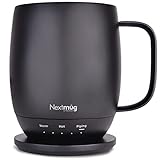
- ALWAYS THE PERFECT TEMPERATURE – The Nextmug will keep your hot coffee, tea or preferred beverage at the perfect temperature wherever you are. Simply select Warm (130° F), Hot (140° F), or Piping (150° F) and enjoy for hours.
- SMART MUG TECHNOLOGY – Long-lasting battery maintains your ideal temperature. LED lights display battery life & real-time temperature. Includes Spill-Resistant Lid & Charging Coaster.
- SUPER SIMPLE – On-board Control Button easily turns mug On/Off & sets the temperature. Takes only seconds to set the mug to your perfect temperature. No app required - no passwords, re-booting or security concerns.
- THE PERFECT GIFT - Give the gift for him and the gift for her that is certain to delight. Perfect for everyone on your list…moms, dads, grandmas, grandpas, teachers, birthdays, graduations and more!
- NEXTMUG CARES - Nextmug cares about our communities and our customers. We care by donating Nextmugs to teachers and first responders . We’re also committed to sustainable packaging by using 100% recyclable materials with all our products. Our dedicated customer service agents are based in the USA and always ready to help.
3. Be Mindful While Talking:
- What to do: Try to pause drinking when you’re about to speak or when others are talking.
- What “good” looks like: You’re not inhaling air mid-sentence while taking a sip.
- Common mistake: Taking a big gulp and then launching into a story.
- Avoid it: Take a sip after you’ve finished a thought or a sentence.
4. Reconsider Carbonated Additives:
- What to do: If you add seltzer, soda, or other fizzy liquids to your coffee, stop or reduce it.
- What “good” looks like: Your coffee is just coffee, not a bubbly concoction.
- Common mistake: Not realizing the carbonation is the direct cause.
- Avoid it: Stick to water, milk, or non-carbonated creamers.
5. Check Your Cold Brew Prep:
- What to do: If you make cold brew, avoid excessive agitation or aeration. If you buy it, check if it’s nitro or infused.
- What “good” looks like: Your cold brew is smooth, not overly fizzy.
- Common mistake: Over-mixing cold brew concentrate or using a device that adds air.
- Avoid it: Gentle stirring is usually enough. Look for non-nitro options if carbonation is an issue.
6. Opt for Lower-Acid Beans/Roasts:
- What to do: Try darker roasts or beans labeled “low acid.”
- What “good” looks like: Your stomach feels more settled after drinking.
- Common mistake: Assuming all coffee is equally acidic.
- Avoid it: Experiment with different origins and roast levels.
7. Brew a Milder Strength:
- What to do: Use a slightly coarser grind or less coffee for the same amount of water. Aim for a ratio around 1:15 to 1:18 (coffee to water by weight).
- What “good” looks like: The coffee is flavorful but not overwhelmingly strong or bitter.
- Common mistake: Brewing super-concentrated coffee thinking it’s “better.”
- Avoid it: Stick to recommended ratios. A kitchen scale is your friend here.
8. Ensure Fresh Grounds:
- What to do: Use freshly roasted beans and grind them just before brewing. Store beans in an airtight container away from light and heat.
- What “good” looks like: Your coffee tastes vibrant and fresh, not flat or stale.
- Common mistake: Using pre-ground coffee that’s been sitting for weeks.
- Avoid it: Buy whole beans and grind them yourself.
Prevent it next time
- Sip Slowly: Make a conscious effort to take smaller sips and avoid gulping.
- No Straws (Hot Coffee): Drink hot coffee directly from your mug.
- Mindful Mixing: Avoid adding carbonated beverages to your coffee.
- Choose Low-Acid: Experiment with darker roasts or “low acid” labeled beans.
- Proper Ratio: Use a consistent coffee-to-water ratio (e.g., 1:15 to 1:18).
- Fresh Grounds: Grind beans right before brewing and store them properly.
- Hydrate First: Drink a glass of water before your coffee.
- Listen to Your Gut: If coffee consistently causes discomfort, consider reducing intake or switching to decaf.
- Avoid Talking While Sipping: Try to pause drinking when you’re speaking.
- Clean Your Brewer: While not a direct cause of burping, a clean machine ensures better taste and fewer weird compounds.
Common mistakes (and what happens if you ignore them)
| Mistake | What it causes | Fix |
|---|---|---|
| Gulping coffee | Swallowed air, leading to burping and bloating. | Slow down, take smaller sips. |
| Using a straw for hot coffee | Incorporates excess air into each sip. | Drink directly from the mug. |
| Adding fizzy drinks to coffee | Introduces carbonation, a direct cause of gas. | Use non-carbonated mixers or drink coffee plain. |
| Drinking coffee while talking animatedly | Inhaling air between sips and words. | Pause drinking when speaking, sip between sentences. |
| Using very old, stale coffee grounds | Can lead to off-flavors and potentially more acidity. | Use fresh beans, grind just before brewing. |
| Brewing coffee too strong | Can increase perceived acidity and potential stomach upset. | Use a recommended coffee-to-water ratio (e.g., 1:15-1:18). |
| Ignoring stomach sensitivity | Persistent discomfort, heartburn, or bloating. | Switch to lower-acid beans, decaf, or reduce coffee intake. |
| Not letting cold brew settle | Can result in a more aerated, fizzy product. | Allow cold brew to sit undisturbed after initial mixing. |
| Eating a very light meal before coffee | Coffee hits an empty stomach harder. | Have a small, balanced snack before your coffee. |
| Assuming all coffee is the same | Sticking with a problematic bean or brew method. | Experiment with different roasts, origins, and brewing techniques. |
Decision rules (simple if/then)
- If you burp immediately after drinking coffee, then it’s likely swallowed air because you’re drinking too fast or using a straw.
- If you experience fizziness or a slight tickle in your throat when drinking coffee, then it might be carbonation from cold brew or additives.
- If you get heartburn or an upset stomach along with burping, then the acidity of the coffee is probably a factor.
- If you react similarly to both regular and decaf coffee, then it might be the air you’re swallowing or a sensitivity to something other than caffeine.
- If you only burp after drinking a specific type of coffee (e.g., nitro cold brew), then that specific preparation method is the likely cause.
- If your coffee tastes bitter or overly strong, then your brew ratio might be off, potentially contributing to stomach upset.
- If you notice burping increases when you’re stressed or rushed, then the act of drinking quickly while anxious is probably exacerbating it.
- If you’ve recently changed your coffee beans or brewing method and burping started, then the new variable is the most probable cause.
- If you only burp after drinking coffee on an empty stomach, then the lack of food to buffer the acids is the issue.
- If you’ve tried slowing down and avoiding straws but still burp, then explore lower-acid beans or decaf options.
FAQ
Q: Is burping after coffee dangerous?
A: Generally, no. It’s usually just a sign of swallowed air or a mild stomach reaction. If it’s persistent or accompanied by pain, see a doctor.
Q: Does cold brew cause more burping than hot coffee?
A: It can, especially if it’s nitro-infused or aerated. The natural carbonation or added gases can lead to more burping.
Q: Can caffeine itself make you burp?
A: Caffeine is a stimulant, and for some, it can speed up digestion or increase stomach acid, which could contribute to burping.
Q: What’s the best way to avoid swallowing air?
A: Sip slowly, don’t gulp, and avoid using straws for hot beverages. Try to pause drinking when you’re about to speak.
Q: How do I know if it’s the coffee’s acidity or swallowed air?
A: Swallowed air usually causes immediate burping. Acidity might cause more of a burning sensation or delayed stomach upset along with burping.
Q: Should I switch to decaf if coffee makes me burp?
A: If you suspect caffeine sensitivity, yes. However, burping is often caused by air or acidity, which are still present in decaf.
Q: Can my coffee maker cause burping?
A: No, your coffee maker doesn’t produce gas that makes you burp. The issue is with how you drink the coffee or how your body reacts to it.
Q: Is there a type of coffee that’s less likely to cause burping?
A: Darker roasts and beans labeled “low acid” tend to be gentler on the stomach for many people.
Q: What if I burp even when I drink coffee slowly?
A: Then the cause is more likely related to the coffee’s composition (acidity, compounds) or your individual digestive response.
What this page does NOT cover (and where to go next)
- Medical Conditions: This page doesn’t diagnose or treat medical issues like GERD, IBS, or ulcers. If you have severe or persistent symptoms, consult a healthcare professional.
- Specific Coffee Bean Acidity Levels: While we mention low-acid options, detailed charts of bean acidity are beyond this scope.
- Advanced Brewing Techniques: We focus on basic preparation. Complex methods aren’t covered here.
- Detailed Nutritional Breakdown: This isn’t about calories or specific nutrient content.
- Comparison of Coffee Machine Brands: We’re troubleshooting a beverage issue, not evaluating equipment performance.