
Why Too Much Coffee Causes All-Day Jitters
Quick answer
- Consuming too much caffeine can lead to sustained jitters, anxiety, and sleep disturbances that last throughout the day.
- The body metabolizes caffeine at a variable rate, meaning its effects can linger longer than expected.
- Individual sensitivity to caffeine plays a significant role in how long and how intensely you experience jitters.
- Factors like hydration, food intake, and medication can influence caffeine metabolism and the duration of its effects.
- Reducing your intake and focusing on consistent hydration can help mitigate all-day jitters.
- Understanding your personal limits and the brewing method of your coffee is key to managing caffeine consumption.
Key terms and definitions
- Caffeine: A natural stimulant found in coffee beans, tea leaves, and cacao pods that affects the central nervous system.
- Adenosine: A neurotransmitter that promotes relaxation and sleepiness. Caffeine blocks adenosine receptors.
- Metabolism: The chemical processes in the body that convert food and drink into energy and other essential substances.
- Half-life: The time it takes for the concentration of a substance (like caffeine) in the body to be reduced by half.
- Jitters: A feeling of nervousness, restlessness, and trembling, often caused by excessive stimulant intake.
- Anxiety: A persistent feeling of worry, nervousness, or unease, typically about an imminent event or something with an uncertain outcome.
- Central Nervous System (CNS): The brain and spinal cord, which control most bodily functions, including mood, alertness, and motor control.
- Dehydration: A condition where the body loses more fluid than it takes in, which can exacerbate the effects of caffeine.
- Tolerance: The body’s reduced responsiveness to a drug or substance after repeated use, requiring higher doses to achieve the same effect.
- Brewing Method: The technique used to extract flavor and caffeine from coffee grounds, which can influence the final caffeine content.
How it works
- Coffee beans contain caffeine, a natural stimulant.
- When coffee is brewed, caffeine is extracted into the water.
- Upon consumption, caffeine is absorbed into the bloodstream.
- Caffeine primarily works by blocking adenosine receptors in the brain. Adenosine is a neurotransmitter that signals tiredness.
- By blocking adenosine, caffeine increases the activity of other neurotransmitters like dopamine and norepinephrine, leading to increased alertness and arousal.
- This increased neural activity can manifest as heightened senses, faster heart rate, and muscle tension.
- The body metabolizes caffeine, mainly in the liver, breaking it down into other compounds.
- The rate of metabolism varies significantly between individuals, influencing how long caffeine stays in the system.
- Caffeine’s half-life in healthy adults is typically around 5 hours, but can range from 1.5 to 9.5 hours.
- If caffeine intake exceeds the body’s ability to metabolize it quickly, its stimulant effects can persist, leading to prolonged jitters.
What affects the result
- Caffeine Content of Beans: Different coffee bean varieties (e.g., Robusta vs. Arabica) and roast levels can significantly alter the caffeine per serving.
- Brewing Method: Espresso, drip coffee, French press, and cold brew all extract caffeine differently, impacting the final concentration. For example, espresso has a high concentration per ounce, but serving sizes are typically smaller.
- Grind Size: A finer grind offers more surface area for extraction, potentially leading to higher caffeine release in some brewing methods.
- Water Temperature: Optimal brewing temperatures (around 195-205°F) ensure efficient caffeine extraction. Water that is too cool or too hot can affect this.
- Brew Time: Longer contact time between coffee grounds and water generally allows for more caffeine to be extracted.
- Coffee-to-Water Ratio: Using more coffee grounds relative to water will result in a more concentrated brew and higher caffeine per serving.
- Freshness of Coffee: While not directly impacting caffeine content, stale coffee may have lost some volatile aroma compounds, which can affect the perceived strength and enjoyment, potentially leading to over-consumption to compensate.
- Individual Sensitivity: Genetic factors and regular consumption patterns influence how a person’s body responds to and processes caffeine.
- Hydration Levels: Dehydration can concentrate caffeine in the bloodstream, potentially amplifying its stimulant effects and duration.
- Food Intake: Consuming coffee on an empty stomach can lead to faster absorption of caffeine, while food can slow it down.
- Medications: Certain medications can interfere with caffeine metabolism, either slowing it down or speeding it up, altering the duration of its effects.
- Body Weight and Metabolism: Larger individuals may require more caffeine to feel the same effect, and a faster metabolism will process caffeine more quickly.
Pros, cons, and when it matters
- Pro: Increased Alertness: Caffeine is a well-known stimulant that can improve focus, concentration, and reaction time, which is beneficial for tasks requiring sustained mental effort.
- Con: Jitters and Anxiety: For many, excessive caffeine intake triggers unpleasant feelings of nervousness, restlessness, and even panic attacks, especially if consumed in large quantities or by sensitive individuals.
- Pro: Enhanced Physical Performance: Caffeine can boost endurance and reduce perceived exertion, making it useful for athletes or those engaging in strenuous physical activity.
- Con: Sleep Disruption: Consuming caffeine, particularly in the afternoon or evening, can interfere with falling asleep and reduce the quality of sleep, leading to fatigue the next day.
- Pro: Mood Enhancement: Caffeine can temporarily elevate mood and combat feelings of fatigue, contributing to a more positive outlook.
- Con: Digestive Issues: For some, coffee can lead to stomach upset, heartburn, or increased bowel activity, especially when consumed in excess.
- Pro: Potential Health Benefits: Moderate coffee consumption has been linked to a reduced risk of certain diseases, though this is a complex area of research.
- Con: Dependency and Withdrawal: Regular high caffeine intake can lead to physical dependence, with withdrawal symptoms like headaches and irritability upon cessation.
- Pro: Social Ritual: Coffee brewing and consumption are often social activities, providing opportunities for connection and relaxation.
- Con: Exacerbation of Pre-existing Conditions: Individuals with certain heart conditions, anxiety disorders, or gastrointestinal issues may find that caffeine worsens their symptoms.
- Pro: Cognitive Boost: Beyond alertness, caffeine can improve certain aspects of cognitive function, such as memory recall.
- Con: All-Day Jitters: When consumed in amounts that overwhelm the body’s metabolic capacity, the stimulant effects can linger, causing prolonged feelings of being on edge, shaky, and unfocused throughout the entire day. This is particularly relevant for individuals who are sensitive or consume large amounts without accounting for their individual metabolism.
If you’re looking for a way to manage your caffeine intake more precisely, consider caffeine supplements. These allow you to control the exact dosage, which can be helpful for sensitive individuals trying to avoid jitters.
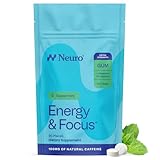
- Fast-Acting Nootropic - Our energy supplements deliver an extra boost of energy and clarity with a blend of natural caffeine, L-theanine, and vitamin b6 & b12. Your go-to chewing gum for work, exercise, and daily focus!
- Clean Energy - Each piece of our sugar free gum delivers 100mg of natural caffeine from green coffee beans for a smooth energy boost without crashes or jitters.
- The Perfect Balance - With 60mg of L-theanine per piece, our energy and focus formula promotes enhanced focus and stress reduction to smooth energy boosts.
- How to Use - Chew one piece of the caffeine gum whenever focus or energy is lacking. Ideal for mornings, pre-workout, or afternoon slumps. Effects typically kick in within minutes thanks to optimal absorption through the mouth.
- Made by Neuro, Backed by Science - At Neuro, we combine neuroscience with clean, science backed ingredients to help you do more, think better, and feel your best every single day.
Common misconceptions
- Myth: All coffee has the same amount of caffeine. In reality, caffeine content varies greatly depending on the bean type, roast, brewing method, and serving size.
- Myth: Dark roasts have more caffeine than light roasts. Often, the opposite is true; lighter roasts tend to retain slightly more caffeine because it’s less degraded during roasting.
- Myth: Espresso is the most caffeinated coffee. While espresso has a high concentration of caffeine per ounce, typical serving sizes are small, meaning a standard cup of drip coffee might contain more total caffeine.
- Myth: Caffeine is entirely bad for you. In moderation, caffeine can offer benefits like increased alertness and improved cognitive function. The key is balance.
- Myth: You can “sweat out” caffeine. While hydration is important, the body metabolizes caffeine through the liver, not by expelling it through sweat.
- Myth: Only coffee contains caffeine. Caffeine is also found in tea, chocolate, energy drinks, and some sodas and medications.
- Myth: Caffeine is addictive in the same way as hard drugs. Caffeine can lead to physical dependence and withdrawal symptoms, but it does not typically cause the compulsive, destructive behavior associated with addiction to illicit substances.
- Myth: If you don’t feel jittery, you haven’t had enough caffeine. Individual tolerance varies wildly. Some people can consume large amounts without noticeable jitters, while others are sensitive to small doses.
- Myth: The jitters are solely a sign of too much caffeine. While a primary cause, stress, anxiety, or certain medical conditions can also induce similar physical sensations.
- Myth: Decaf coffee has zero caffeine. Decaffeinated coffee still contains a small residual amount of caffeine, typically less than 5-10 mg per cup.
FAQ
Q: How much coffee is too much for all-day jitters?
A: This varies greatly by individual sensitivity and metabolism. For some, it might be as little as two cups, while others can handle more without issue. Pay attention to your body’s signals.
Q: Why do my jitters last so long?
A: Your body’s metabolism of caffeine might be slower than average, or you may have consumed a very large amount. Caffeine’s half-life can be several hours, meaning its effects can linger.
Q: Can drinking water help with caffeine jitters?
A: Staying hydrated is important. While water won’t directly remove caffeine from your system, it can help mitigate some of the dehydrating effects of caffeine and may indirectly help you feel better.
Q: What’s the best time of day to drink coffee to avoid jitters?
A: Generally, consuming coffee earlier in the day, and avoiding it within 6-8 hours of bedtime, can help prevent afternoon and evening jitters and sleep disruption.
Q: Are certain brewing methods worse for jitters?
A: Methods that produce a highly concentrated brew, like espresso or cold brew concentrate, might deliver a larger caffeine dose quickly. However, serving size also matters; a large cup of drip coffee can also lead to jitters.
Q: I’m very sensitive to caffeine. What should I do?
A: Opt for lower-caffeine options like tea, or consider decaffeinated coffee. Pay close attention to serving sizes and the type of coffee you’re drinking.
Q: Can stress make caffeine jitters worse?
A: Yes, stress and caffeine can amplify each other. Both can increase heart rate and anxiety, so combining them can lead to more intense jitters and nervousness.
Q: If I switch to a different coffee bean, will it affect my jitters?
A: Yes, bean type (e.g., Robusta generally has more caffeine than Arabica) and roast level can change the caffeine content, which could impact your experience.
What this page does NOT cover (and where to go next)
- Specific caffeine content for every single coffee product on the market. For precise numbers, check product packaging or manufacturer websites.
- Detailed medical advice for caffeine sensitivity or anxiety disorders. If you have concerns, consult a healthcare professional.
- Recommendations for specific coffee brands or brewing equipment. Explore coffee blogs and reviews for these details.
- The full spectrum of long-term health effects of coffee consumption. For in-depth research, consult scientific journals and health organizations.