
Why Starbucks Coffee Might Make You Feel Dizzy
Quick answer
- Caffeine is the primary stimulant in coffee, and its effects can vary significantly from person to person.
- Higher caffeine content in some Starbucks drinks compared to home brews can lead to a more pronounced effect.
- Individual sensitivity to caffeine plays a major role in whether you experience dizziness.
- Factors like hydration, food intake, and overall health can influence your reaction to caffeine.
- If you experience dizziness, consider reducing your intake or opting for decaffeinated options.
- Consulting a healthcare professional is advisable if dizziness is persistent or concerning.
Key terms and definitions
- Caffeine: A natural stimulant found in coffee beans, tea leaves, and cocoa beans, known for its ability to increase alertness.
- Stimulant: A substance that raises levels of physiological or nervous system activity in the body.
- Dizziness: A sensation of unsteadiness, lightheadedness, or feeling faint.
- Tolerance: The body’s reduced response to a drug after repeated use, often requiring higher doses for the same effect.
- Decaffeination: The process of removing caffeine from coffee beans or tea leaves.
- Cardiovascular System: The network of organs and vessels that transport blood throughout the body, including the heart and blood vessels.
- Central Nervous System: The complex of nerve tissues that controls the activities of the body, consisting of the brain and spinal cord.
- Blood Pressure: The force of blood pushing against the walls of arteries.
- Dehydration: A condition where the body loses more fluid than it takes in.
- Anxiety: A feeling of worry, nervousness, or unease, typically about an imminent event or something with an uncertain outcome.
How it works
- Caffeine stimulates the central nervous system, blocking adenosine, a neurotransmitter that promotes relaxation and sleepiness.
- This blockade leads to an increase in the release of other neurotransmitters like dopamine and norepinephrine, enhancing alertness and focus.
- Caffeine can also cause a temporary increase in heart rate and blood pressure.
- For some individuals, this increase in heart rate or blood pressure can manifest as a feeling of dizziness.
- The body metabolizes caffeine through the liver, and the rate at which this occurs varies among individuals.
- Genetic factors influence how quickly or slowly your body processes caffeine.
- Some Starbucks beverages, particularly larger sizes or those with added espresso shots, can contain significantly higher caffeine levels than a standard home brew.
- This higher concentration can overwhelm a person’s system, leading to adverse effects like dizziness.
- The psychoactive effects of caffeine are dose-dependent, meaning more caffeine can lead to more intense reactions.
- Understanding these physiological responses helps explain why coffee, especially certain preparations, might cause dizziness.
Some Starbucks beverages, particularly larger sizes or those with added espresso shots, can contain significantly higher caffeine levels than a standard home brew. If you’re looking to enjoy Starbucks coffee without the potential for dizziness, consider opting for smaller sizes or drinks with fewer espresso shots.

- Indulge in Café-Inspired Perfection: Our master blenders and roasters have balanced arabica coffee with subtle notes of nuttiness and cocoa for a taste that has both depth and everyday drinkability
- Enjoy It Your Way – pour over ice, enjoy straight from the bottle, or customize with your favorite additions - milk, ice or sweetener for the ultimate pick-me-up anytime.
- Inspired by Starbucks Cafés – Designed to reflect the quality and flavor of the classic cold brews served in Starbucks cafés, this drink brings a smooth, creamy, and delicious café experience to your home.
- Whether you're starting your morning or needing an energizing boost in the afternoon, Starbucks coffee is the ideal refreshing treat.
- Each 48 fl oz bottle provides about four 12 fl oz servings, making it easy to enjoy Starbucks-quality cold brew coffee whenever and wherever you need
What affects the result
- Caffeine Content: The amount of caffeine in a specific Starbucks drink is a primary factor; larger sizes and extra espresso shots increase caffeine.
- Individual Sensitivity: People have different genetic predispositions and metabolic rates for processing caffeine.
- Body Weight and Metabolism: A smaller individual or someone with a slower metabolism might be more affected by the same amount of caffeine.
- Hydration Levels: Dehydration can exacerbate the effects of caffeine, potentially leading to dizziness.
- Food Intake: Consuming coffee on an empty stomach can lead to faster absorption of caffeine, intensifying its effects.
- Sleep Quality: Being tired can make you more susceptible to the stimulating effects of caffeine, and potentially its side effects.
- Medications: Certain medications can interact with caffeine, altering its effects or increasing the likelihood of side effects.
- Existing Health Conditions: Conditions like anxiety disorders or certain heart issues can be aggravated by caffeine.
- Tolerance Development: Regular coffee drinkers often develop a tolerance, requiring more caffeine to feel the same effects, and thus may not feel dizzy from a typical dose.
- Stress Levels: High stress can make individuals more sensitive to stimulants like caffeine.
- Time of Consumption: Drinking coffee late in the day can disrupt sleep, indirectly contributing to feeling unwell or dizzy later.
- Other Ingredients: While caffeine is key, other ingredients in complex Starbucks drinks (like sugar or dairy) can also play a minor role in how you feel.
Individual sensitivity to caffeine plays a major role in whether you experience dizziness. If you know you have a high caffeine sensitivity, it’s wise to be mindful of the caffeine content in your Starbucks drinks.
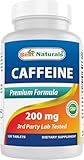
- 3rd Party Lab Tested for Purity & Quality.
- 200 mg of Caffeine per Tablet - 120 Tablets per Bottle.
- Non-GMO & Gluten-Free.
- Proudly Made in USA, GMP Compliant, FDA Registered Facility.
- No Artificial Color, Flavor, or Sweetener, No Preservatives, No Sugar, No Milk, No Corn, No Soy, No Egg, No Lactose, No Gluten, No Wheat, No Yeast, No Fish. Sodium Free.
Pros, cons, and when it matters
- Pro: Increased Alertness: Caffeine effectively combats fatigue and enhances cognitive function, useful for long workdays or early mornings.
- Con: Potential for Dizziness: For sensitive individuals, the stimulant effect can lead to lightheadedness or unsteadiness.
- Pro: Improved Physical Performance: Caffeine can boost endurance and reduce perceived exertion during exercise.
- Con: Jitters and Anxiety: High doses can trigger or worsen feelings of anxiety, nervousness, and restlessness.
- Pro: Mood Enhancement: Caffeine can temporarily lift mood and improve overall sense of well-being.
- Con: Sleep Disruption: Consuming caffeine, especially later in the day, can interfere with natural sleep cycles.
- Pro: Antioxidant Properties: Coffee contains antioxidants that may offer health benefits over time.
- Con: Digestive Issues: For some, coffee can cause stomach upset or heartburn.
- Pro: Social Ritual: Enjoying a coffee at a café like Starbucks can be a pleasant social or personal break.
- Con: Dependency and Withdrawal: Regular high intake can lead to physical dependence, with withdrawal symptoms like headaches if consumption stops.
- Matters for Productivity: When you need to be sharp and focused for demanding tasks, caffeine can be a significant benefit.
- Matters for Health: If you have pre-existing conditions or are sensitive, the potential negative effects might outweigh the benefits.
- Matters for Relaxation: If you’re seeking a calm, unwinding experience, the stimulating effects of caffeine might be counterproductive.
Common misconceptions
- Misconception: All coffee has the same amount of caffeine. In reality, caffeine content varies wildly between roasts, brew methods, and drink sizes, especially at a place like Starbucks.
- Misconception: Caffeine is inherently bad for you. For most healthy adults, moderate caffeine intake is safe and can even have benefits.
- Misconception: Dizziness from coffee is always a sign of a serious problem. Often, it’s simply a sign of being sensitive to caffeine or consuming too much for your system.
- Misconception: Decaf coffee has zero caffeine. Decaffeinated coffee still contains a small amount of caffeine, though significantly reduced.
- Misconception: You can “sweat out” caffeine. Caffeine is metabolized by the liver, and physical activity doesn’t directly remove it from your system faster.
- Misconception: Coffee dehydrates you. While caffeine is a mild diuretic, the water in coffee generally offsets this effect for moderate consumption.
- Misconception: Caffeine is addictive like hard drugs. Caffeine dependence is generally considered mild compared to addictive substances.
- Misconception: Drinking coffee will instantly give you energy. The effects take time to kick in as caffeine is absorbed into the bloodstream.
- Misconception: Dark roasts have more caffeine than light roasts. Generally, lighter roasts have slightly more caffeine because the beans are roasted for a shorter time.
- Misconception: Feeling dizzy means your blood pressure is dangerously high. While caffeine can affect blood pressure, dizziness has multiple potential causes.
FAQ
Q: Is it normal to feel dizzy after drinking Starbucks coffee?
A: For some individuals, it can be normal due to caffeine sensitivity. The higher caffeine content in some Starbucks drinks might trigger this response more readily than a standard home brew.
Q: How much caffeine is in a typical Starbucks drink?
A: This varies greatly by drink. A tall Pike Place Roast has about 235 mg, while a grande espresso has about 150 mg. Always check the Starbucks website or app for specific caffeine content if you’re concerned.
Q: What should I do if I feel dizzy after drinking coffee?
A: Try to sit down and rest. Ensure you are well-hydrated by drinking water. If the feeling persists or is severe, consider reducing your caffeine intake or opting for decaf.
Q: Can I build up a tolerance to caffeine?
A: Yes, regular consumption of caffeine can lead to tolerance, meaning you may experience fewer side effects like dizziness over time. However, this also means you might need more caffeine to achieve the same alertness.
Q: Are there specific Starbucks drinks with less caffeine?
A: Yes, Starbucks offers decaf options for most of their espresso-based drinks. Brewed coffee also comes in different sizes, with smaller sizes naturally containing less caffeine.
Q: What if I have a heart condition and feel dizzy?
A: If you have a pre-existing heart condition or experience persistent dizziness, it’s crucial to consult your doctor. They can advise you on safe caffeine consumption levels and potential interactions.
Q: Does adding sugar or milk to my coffee affect dizziness?
A: While caffeine is the primary driver, the rapid influx of sugar can sometimes cause a temporary blood sugar spike and subsequent drop, which might contribute to feeling lightheaded in some people. Milk is unlikely to directly cause dizziness.
What this page does NOT cover (and where to go next)
- Specific nutritional breakdowns of every Starbucks beverage. For detailed information, consult Starbucks’ official nutritional guides.
- Medical diagnoses or treatment plans for dizziness. If you have persistent or concerning symptoms, please see a healthcare professional.
- Comparisons of caffeine levels across all coffee chains. This article focuses on Starbucks and general caffeine effects.
- Detailed brewing guides for home coffee makers. Information on home brewing techniques is widely available through coffee enthusiast resources.
- The effects of other ingredients found in complex coffee drinks beyond caffeine. You may need to research specific ingredients if you suspect a different sensitivity.