
Why Coffee Sometimes Doesn’t Make You Feel Awake
Quick answer
- Caffeine’s effect varies based on individual tolerance and genetics.
- Sleep deprivation can override caffeine’s stimulating properties.
- The timing of your coffee consumption impacts its perceived effectiveness.
- Dehydration can mimic fatigue, making coffee seem less effective.
- Certain medical conditions or medications can interfere with caffeine’s impact.
- The type of coffee and brewing method can influence caffeine content.
Key terms and definitions
- Adenosine: A neurotransmitter in the brain that promotes sleep and relaxation.
- Caffeine: A natural stimulant primarily found in coffee, tea, and cacao plants.
- Adenosine receptors: Proteins on the surface of cells that adenosine binds to, signaling the brain to slow down.
- Caffeine tolerance: The reduced effect of caffeine over time due to regular consumption.
- Half-life of caffeine: The time it takes for half of the caffeine in your system to be eliminated, typically 3-5 hours.
- Sleep debt: The cumulative effect of not getting enough sleep.
- Dehydration: A state where the body doesn’t have enough fluids to function properly.
- Cortisol: A hormone released in response to stress, which can also influence alertness.
- Placebo effect: A psychological phenomenon where a person experiences a perceived benefit because they believe they are receiving a treatment.
- Metabolism: The chemical processes that occur within a living organism in order to maintain life.
How coffee’s wake-up call works
- Caffeine molecules are structurally similar to adenosine.
- Caffeine binds to adenosine receptors in the brain, blocking adenosine from attaching.
- This blockage prevents the “slow down” signal that adenosine usually sends.
- As a result, nerve cell activity increases, and the release of other stimulating neurotransmitters like dopamine and norepinephrine is promoted.
- The pituitary gland senses this increased activity and releases hormones that tell the adrenal glands to produce adrenaline.
- Adrenaline further contributes to increased heart rate, blood pressure, and blood flow to muscles.
- This cascade of events leads to the feeling of alertness and reduced fatigue associated with coffee.
- The effects typically begin within 15-30 minutes after consumption.
- The peak alertness usually occurs within 1-2 hours.
What affects why coffee makes me not sleepy
- Individual Caffeine Sensitivity: Genetic factors influence how quickly your body metabolizes caffeine. Some people are fast metabolizers, while others are slow, leading to varied effects.
- Regular Coffee Consumption (Tolerance): Daily intake can lead to tolerance, meaning you need more caffeine to achieve the same stimulating effect.
- Sleep Deprivation: If you have significant sleep debt, caffeine might only partially mask fatigue; it cannot replace actual sleep.
- Timing of Consumption: Drinking coffee too early in the morning, when cortisol levels are naturally high, might reduce its perceived impact. Consuming it too late can disrupt subsequent sleep.
- Hydration Status: Dehydration can cause feelings of tiredness, headache, and reduced alertness, which coffee cannot counteract and might even exacerbate.
- Type of Coffee Bean: Robusta beans generally contain more caffeine than Arabica beans.
- Brewing Method: Longer brew times or finer grinds can extract more caffeine. For example, a cold brew typically has more caffeine than a standard drip coffee.
- Serving Size: A larger cup or a double shot of espresso will naturally deliver more caffeine.
- Medications and Health Conditions: Certain medications (e.g., some antidepressants, stimulants) or health conditions (e.g., anxiety disorders, adrenal issues) can alter caffeine’s effects.
- Food Intake: Drinking coffee on an empty stomach might lead to a quicker, more intense effect, while consuming it with food can slow absorption.
- Stress Levels: High stress can lead to fatigue, and coffee might not be enough to overcome this physiological response.
- Expectation (Placebo Effect): Sometimes, the belief that coffee will wake you up contributes to the perceived effect, and if that expectation isn’t met, it feels less effective.
Dehydration can mimic fatigue, making coffee seem less effective. Staying hydrated is key, so consider keeping a water bottle handy throughout the day.

- 30-ounce insulated stainless steel water bottle with extra features: includes a 2-in-1 spout that lets you choose how you drink; push-button, leak-proof lid that locks for all your adventures
- Choose your sip style—straw or swig: Patented 2-in-1 FreeSip spout is one of a kind; it lets you sip upright through the built-in straw or swig by tilting back the spout
- Hygienic push-button lid and easy carry handle: closed lid keeps spout covered and clean between sips; ergonomic bucket handle makes transport easy for sports, campsites, road trips, school, and work
- Keeps water cold and fits where you need: Triple-layer insulation keeps drinks colder up to 24 hours; wide opening for easy cleaning and extra ice; cupholder friendly base fits most car cupholders
- Safe materials and simple care instructions: BPA, lead, and phthalate-free for safe drinking; hand wash the cup,lid is dishwasher safe and can be easily disassembled; not for use with hot liquids
Pros, cons, and when it matters
- Pro: Temporary Alertness Boost: Coffee can provide a short-term increase in focus and energy, useful for specific tasks or bridging a gap.
- Con: Tolerance Development: Regular use can lead to needing more coffee for the same effect, diminishing its utility over time.
- When it matters: For occasional use to overcome a temporary dip in energy or to enhance performance for a specific, time-bound activity.
- Pro: Improved Cognitive Function: Some studies suggest caffeine can enhance memory, mood, and reaction time.
- Con: Sleep Disruption: Consuming coffee too late in the day can interfere with natural sleep cycles, leading to poorer quality sleep.
- When it matters: Important to consider your personal caffeine sensitivity and half-life when deciding on your last cup of the day.
- Pro: Antioxidant Benefits: Coffee contains antioxidants that may offer various health benefits.
- Con: Jitters and Anxiety: For sensitive individuals or with high doses, coffee can cause nervousness, jitters, or exacerbate anxiety.
- When it matters: Pay attention to your body’s reaction and adjust intake if you experience negative side effects.
- Pro: Social Ritual: The act of preparing and drinking coffee can be a comforting and enjoyable routine.
- Con: Dehydration Risk: While coffee itself isn’t a strong diuretic, neglecting water intake alongside coffee can contribute to dehydration.
- When it matters: Always balance coffee consumption with adequate water intake to maintain hydration.
Common misconceptions about coffee and alertness
- “Coffee is a substitute for sleep.” Coffee can mask sleepiness, but it does not provide the restorative benefits of actual sleep.
- “All coffees have the same amount of caffeine.” Caffeine content varies significantly based on bean type, roast level, brewing method, and serving size.
- “Dark roast coffee has more caffeine.” Generally, lighter roasts tend to have slightly more caffeine than darker roasts because the roasting process burns off some caffeine.
- “Drinking more coffee will always make you more awake.” There’s a point of diminishing returns; excessive caffeine can lead to anxiety, jitters, and even increased fatigue.
- “You build tolerance to coffee instantly.” While effects can lessen over time, significant tolerance usually develops with consistent, daily consumption over weeks or months.
- “Coffee causes dehydration.” While caffeine has a mild diuretic effect, studies suggest moderate coffee consumption doesn’t typically lead to dehydration in regular drinkers, especially when combined with adequate fluid intake.
- “Coffee only works in the morning.” Caffeine’s effects depend on when your body naturally produces adenosine. For some, an afternoon coffee can be beneficial without impacting sleep, while for others, it’s too late.
- “Decaf coffee has no caffeine.” Decaffeinated coffee still contains a small amount of caffeine, typically 2-15 mg per 8 oz cup.
FAQ
Why does coffee make me tired instead of awake sometimes?
If coffee makes you tired, it might be due to a “caffeine crash” after the stimulant effects wear off, especially if you’re already sleep-deprived. It could also be a sign of dehydration or a strong adenosine rebound effect.
Can I build a tolerance to coffee’s effects?
Yes, regular consumption of caffeine can lead to tolerance, meaning your body adapts, and you need higher doses to achieve the same stimulating effect. Taking breaks from caffeine can help reset your tolerance.
Yes, regular consumption of caffeine can lead to tolerance, meaning your body adapts, and you need higher doses to achieve the same stimulating effect. If you’re looking for a consistent boost without relying solely on coffee, caffeine supplements can be an option to consider.
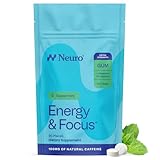
- Fast-Acting Nootropic - Our energy supplements deliver an extra boost of energy and clarity with a blend of natural caffeine, L-theanine, and vitamin b6 & b12. Your go-to chewing gum for work, exercise, and daily focus!
- Clean Energy - Each piece of our sugar free gum delivers 100mg of natural caffeine from green coffee beans for a smooth energy boost without crashes or jitters.
- The Perfect Balance - With 60mg of L-theanine per piece, our energy and focus formula promotes enhanced focus and stress reduction to smooth energy boosts.
- How to Use - Chew one piece of the caffeine gum whenever focus or energy is lacking. Ideal for mornings, pre-workout, or afternoon slumps. Effects typically kick in within minutes thanks to optimal absorption through the mouth.
- Made by Neuro, Backed by Science - At Neuro, we combine neuroscience with clean, science backed ingredients to help you do more, think better, and feel your best every single day.
How long does it take for coffee to make you feel awake?
Caffeine typically starts to take effect within 15-30 minutes after consumption, with peak alertness often occurring around 1-2 hours later. However, individual metabolism can influence these timings.
Is it possible I’m just immune to caffeine?
True immunity to caffeine is rare. More likely, you have a high tolerance due to regular intake, or your body metabolizes caffeine very quickly. Genetic factors play a significant role in how you respond.
Does adding sugar to coffee affect how awake I feel?
Adding sugar can provide a temporary energy boost, but this is separate from caffeine’s effects. The sugar rush can sometimes lead to a subsequent “sugar crash,” which might make you feel more tired.
Why does coffee sometimes make me not sleepy even when I drink it late?
This is highly individual. Some people metabolize caffeine very quickly, meaning its effects wear off sooner. Others might have a genetic predisposition that makes them less sensitive to caffeine’s sleep-disrupting properties.
What this page does NOT cover (and where to go next)
- Detailed scientific mechanisms of caffeine metabolism and genetic variations. For this, explore resources on pharmacogenomics and caffeine sensitivity.
- Specific medical advice for caffeine-related health conditions. Consult a healthcare professional for personalized guidance.
- In-depth reviews of specific coffee makers or brewing equipment. Look for guides on different brewing methods.
- The environmental impact or ethical sourcing of coffee beans. Seek information from sustainability organizations or coffee industry reports.
- Recipes for coffee-based drinks. Explore culinary websites and barista guides.
- The history of coffee and its cultural significance. Look for historical texts and anthropological studies.