
Why Coffee Might Hinder Your Weight Loss Efforts
Quick answer
- While coffee itself has minimal calories, additives like sugar, cream, and syrups can significantly increase calorie intake, negating weight loss efforts.
- The caffeine in coffee can temporarily boost metabolism, but this effect is often small and can diminish with regular consumption.
- Coffee can suppress appetite for some, potentially leading to fewer calories consumed overall, but this isn’t a universal effect.
- Poor sleep quality, which can be exacerbated by late-day coffee consumption, is strongly linked to weight gain and difficulty losing weight.
- The perceived energy boost from coffee might lead to overconfidence in dietary choices or increased physical activity that isn’t sustained.
- Understanding how your body reacts to caffeine and being mindful of what you add to your coffee are key to managing its impact on weight loss.
Key terms and definitions
- Calorie: A unit of energy found in food and drinks. Weight loss occurs when you consume fewer calories than your body expends.
- Caffeine: A natural stimulant found in coffee beans, tea leaves, and cocoa. It affects the central nervous system.
- Metabolism: The process by which your body converts what you eat and drink into energy.
- Cortisol: A stress hormone produced by the adrenal glands. High cortisol levels can be associated with increased appetite and fat storage.
- Insulin: A hormone produced by the pancreas that regulates blood sugar. High sugar intake, often paired with coffee drinks, can lead to insulin spikes.
- Appetite Suppression: The feeling of reduced hunger, which can be a temporary effect of caffeine.
- Sleep Latency: The amount of time it takes to fall asleep. Caffeine can increase this for some individuals.
- Thermic Effect of Food (TEF): The energy your body uses to digest, absorb, and metabolize food.
- Empty Calories: Calories that provide little to no nutritional value, often found in sugary coffee additions.
- Adrenal Fatigue: A controversial concept suggesting that prolonged stress can exhaust the adrenal glands, affecting hormone production.
How it works
- Coffee beans contain caffeine, a stimulant that affects the brain and central nervous system.
- When consumed, caffeine blocks adenosine, a neurotransmitter that promotes relaxation and sleepiness, leading to increased alertness.
- Caffeine can stimulate the release of adrenaline, a hormone that prepares the body for “fight or flight,” which may temporarily increase heart rate and metabolism.
- This adrenaline release can also signal fat cells to break down stored fat, releasing fatty acids into the bloodstream for energy.
- For some, caffeine can influence hormones like ghrelin (the hunger hormone) and leptin (the satiety hormone), potentially affecting appetite.
- The diuretic effect of coffee means it can cause increased urination, leading to temporary water weight loss, but this is not fat loss.
- The perceived energy boost from coffee can sometimes lead individuals to feel they can afford to consume more calories or expend less energy.
- Coffee can also interact with the digestive system, potentially speeding up or slowing down transit time for some.
- The body’s response to caffeine can vary significantly based on genetics, tolerance, and other lifestyle factors.
- Over time, the metabolic boost from caffeine can become less pronounced as the body develops a tolerance to its effects.
While coffee provides caffeine, some individuals might consider caffeine supplements for a more controlled dose. However, it’s important to understand how caffeine affects your body and to use any supplements responsibly.
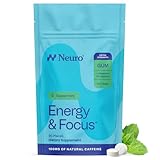
- Fast-Acting Nootropic - Our energy supplements deliver an extra boost of energy and clarity with a blend of natural caffeine, L-theanine, and vitamin b6 & b12. Your go-to chewing gum for work, exercise, and daily focus!
- Clean Energy - Each piece of our sugar free gum delivers 100mg of natural caffeine from green coffee beans for a smooth energy boost without crashes or jitters.
- The Perfect Balance - With 60mg of L-theanine per piece, our energy and focus formula promotes enhanced focus and stress reduction to smooth energy boosts.
- How to Use - Chew one piece of the caffeine gum whenever focus or energy is lacking. Ideal for mornings, pre-workout, or afternoon slumps. Effects typically kick in within minutes thanks to optimal absorption through the mouth.
- Made by Neuro, Backed by Science - At Neuro, we combine neuroscience with clean, science backed ingredients to help you do more, think better, and feel your best every single day.
What affects the result
- Additives: Sugars, syrups, flavored creamers, and whipped cream drastically increase calorie and sugar content.
- Brewing Method: Methods like espresso can yield a more concentrated coffee, potentially delivering more caffeine per serving.
- Coffee Bean Type: Robusta beans generally have more caffeine than Arabica beans.
- Roast Level: Lighter roasts tend to retain slightly more caffeine than darker roasts, though the difference is often minimal.
- Serving Size: A larger cup of coffee will contain more caffeine and potentially more added calories if prepared with additions.
- Timing of Consumption: Drinking coffee late in the day can disrupt sleep, which is crucial for weight management.
- Individual Sensitivity: Genetics and regular consumption influence how sensitive your body is to caffeine’s effects.
- Water Quality: While not directly affecting caffeine, water quality is fundamental to good coffee taste, which can influence enjoyment and willingness to stick to healthier habits.
- Freshness of Beans: Stale beans can impact flavor, potentially leading to dissatisfaction and seeking out sweeter, less healthy alternatives.
- Grind Size: Affects extraction; a finer grind for espresso, coarser for French press, influencing flavor and caffeine release.
- Ratio of Coffee to Water: A stronger brew (more coffee grounds per water) will have a more concentrated flavor and potentially more caffeine.
- Hydration: Dehydration can be mistaken for hunger, and while coffee is a liquid, it’s not a substitute for water, especially when trying to manage weight.
The brewing method can influence the caffeine content and flavor of your coffee. Exploring different coffee brewing methods can help you find a style that suits your taste and potentially your weight loss goals.

- Pour Over Coffee: Manual Pour Over Coffee Maker allows you to brew an excellent cup of Coffee in minutes
- Stainless steel: Includes a new and improved permanent, stainless steel mesh filter that helps extract your coffee's aromatic oils and subtle flavors instead of being absorbed by a paper filter
- Coffee Carafe: Made of durable, heat-resistant borosilicate glass with Cork Band detailing that is both functional and elegant; single wall
- Quick and Easy: Simply add coarse ground Coffee to filter, pour a small amount of water in a circular motion over ground Coffee until soaked then add the remaining water and let drip
- Servings: Pour Over Coffee Maker makes 8 cups of Coffee, 4 oz each; dishwasher safe
Pros, cons, and when it matters
- Pro: Temporary Metabolism Boost: Caffeine can slightly increase calorie expenditure for a short period. This effect is most noticeable in individuals new to caffeine.
- Con: Calorie Bomb Additives: Adding sugar, cream, and syrups transforms black coffee into a high-calorie, low-nutrient beverage that actively hinders weight loss. This matters significantly if you’re not drinking black coffee.
- Pro: Appetite Suppression: For some, coffee can reduce hunger pangs, potentially leading to lower overall food intake. This is beneficial if it leads to mindful eating and calorie reduction.
- Con: Sleep Disruption: Consuming caffeine too late can interfere with sleep quality, and poor sleep is linked to weight gain and increased cravings for unhealthy foods. This is a major concern for anyone struggling with weight.
- Pro: Enhanced Physical Performance: Caffeine can improve endurance and reduce perceived exertion during exercise, potentially leading to more effective workouts. This is helpful for active individuals.
- Con: Increased Cortisol: For some, caffeine can elevate cortisol levels, especially in individuals already under stress. High cortisol can promote fat storage, particularly around the abdomen.
- Pro: Antioxidant Properties: Coffee contains antioxidants that may offer health benefits, independent of weight management. This is a general health perk.
- Con: Digestive Issues: For sensitive individuals, coffee can cause stomach upset or heartburn, which might make adhering to a diet plan more difficult.
- Pro: Improved Focus and Alertness: This can help with productivity, which might indirectly support healthy habits by allowing more time for meal prep or exercise planning.
- Con: Tolerance Development: Regular coffee drinkers often build a tolerance, diminishing the metabolic and appetite-suppressing effects over time. The initial “boost” may become negligible.
- Pro: Hydration (with caveats): While a diuretic, moderate coffee consumption contributes to fluid intake. This is helpful as long as it doesn’t replace water.
- Con: Potential for Dependence: Relying on coffee for energy can mask underlying fatigue or poor lifestyle choices that are the real culprits behind weight struggles.
Common misconceptions
- Myth: Coffee burns a lot of calories. Reality: While there’s a minor, temporary metabolic boost, it’s not significant enough to cause substantial weight loss on its own.
- Myth: Black coffee is bad for weight loss. Reality: Black coffee has virtually no calories and can be a beneficial part of a weight loss plan. The problem lies with what’s added.
- Myth: Caffeine is a magic fat-burning ingredient. Reality: Caffeine can aid fat mobilization, but without a calorie deficit and exercise, this effect is minimal and unlikely to result in noticeable fat loss.
- Myth: You can drink coffee anytime without affecting weight. Reality: Late-day consumption can severely impact sleep, which is critical for weight management and hormone balance.
- Myth: Coffee makes you dehydrated. Reality: While a mild diuretic, moderate coffee consumption does contribute to overall fluid intake and is unlikely to cause dehydration for most people.
- Myth: Coffee causes weight gain directly. Reality: Coffee itself doesn’t cause weight gain; it’s the excessive calories from sugary additions that are the primary culprit.
- Myth: If you don’t feel the caffeine buzz, it’s not working. Reality: Caffeine’s effects on metabolism and alertness can occur even without a strong perceived “buzz,” especially with regular consumption.
- Myth: All coffee drinks are created equal. Reality: A plain black coffee is vastly different in calorie and sugar content from a grande caramel macchiato with extra syrup and whipped cream.
- Myth: You need to quit coffee to lose weight. Reality: For many, moderate black coffee consumption can be supportive of weight loss goals by providing energy and potentially suppressing appetite.
- Myth: Coffee is inherently unhealthy. Reality: Coffee, in its natural form, is a beverage with potential health benefits and minimal calories. Its health profile changes dramatically with additions.
FAQ
Q: Can I drink coffee while trying to lose weight?
A: Yes, moderate consumption of black coffee can be part of a weight loss plan. The key is to avoid high-calorie additions like sugar, cream, and syrups.
Q: Does coffee boost metabolism enough to cause weight loss?
A: Caffeine can temporarily increase metabolism by a small amount, but this effect is usually not significant enough on its own to lead to substantial weight loss without a calorie deficit.
Q: If I add milk and sugar to my coffee, can it hinder weight loss?
A: Absolutely. Milk and sugar, especially in large quantities, add significant calories and sugar, which can easily negate any potential benefits of the coffee itself and contribute to weight gain.
Q: How does coffee affect my sleep, and why is that important for weight loss?
A: Caffeine is a stimulant that can make it harder to fall asleep and reduce sleep quality. Poor sleep disrupts hormones that regulate appetite, increases cravings for unhealthy foods, and can lead to weight gain.
Q: Can coffee help me feel less hungry?
A: For some individuals, caffeine can temporarily suppress appetite. This might lead to consuming fewer calories overall, but the effect varies greatly from person to person.
Q: I drink a lot of coffee. Will I develop a tolerance that stops any weight loss benefits?
A: Yes, regular coffee drinkers often develop a tolerance to caffeine. This means the metabolic and appetite-suppressing effects may become less pronounced over time compared to someone who rarely drinks coffee.
Q: Are “diet” or “sugar-free” coffee creamers a good option for weight loss?
A: While they reduce sugar and calories compared to regular creamers, some artificial sweeteners can still affect cravings or gut health for certain individuals. It’s best to use them in moderation or opt for unsweetened options.
Q: What is the best time of day to drink coffee for weight loss?
A: To avoid sleep disruption, it’s generally recommended to finish your last coffee at least 6-8 hours before bedtime. Morning or early afternoon is usually ideal.
Q: Does the type of coffee bean affect its impact on weight loss?
A: While caffeine content can vary between bean types (Robusta generally has more than Arabica), the primary factor affecting weight loss is still what you add to the coffee, not the bean itself.
What this page does NOT cover (and where to go next)
- Specific recommendations for coffee brands or types. For more information, explore coffee bean reviews and sourcing guides.
- Detailed nutritional breakdowns of every possible coffee drink. Consult a registered dietitian or nutritionist for personalized dietary advice.
- Medical advice regarding caffeine’s impact on specific health conditions. Consult your doctor for health-related queries.
- Advanced brewing techniques for optimal flavor extraction. Explore resources on home coffee brewing techniques and equipment.
- The psychology of addiction or dependence on caffeine. Seek information from health professionals specializing in behavioral health.